Pasts Imperfect (5.28.26)


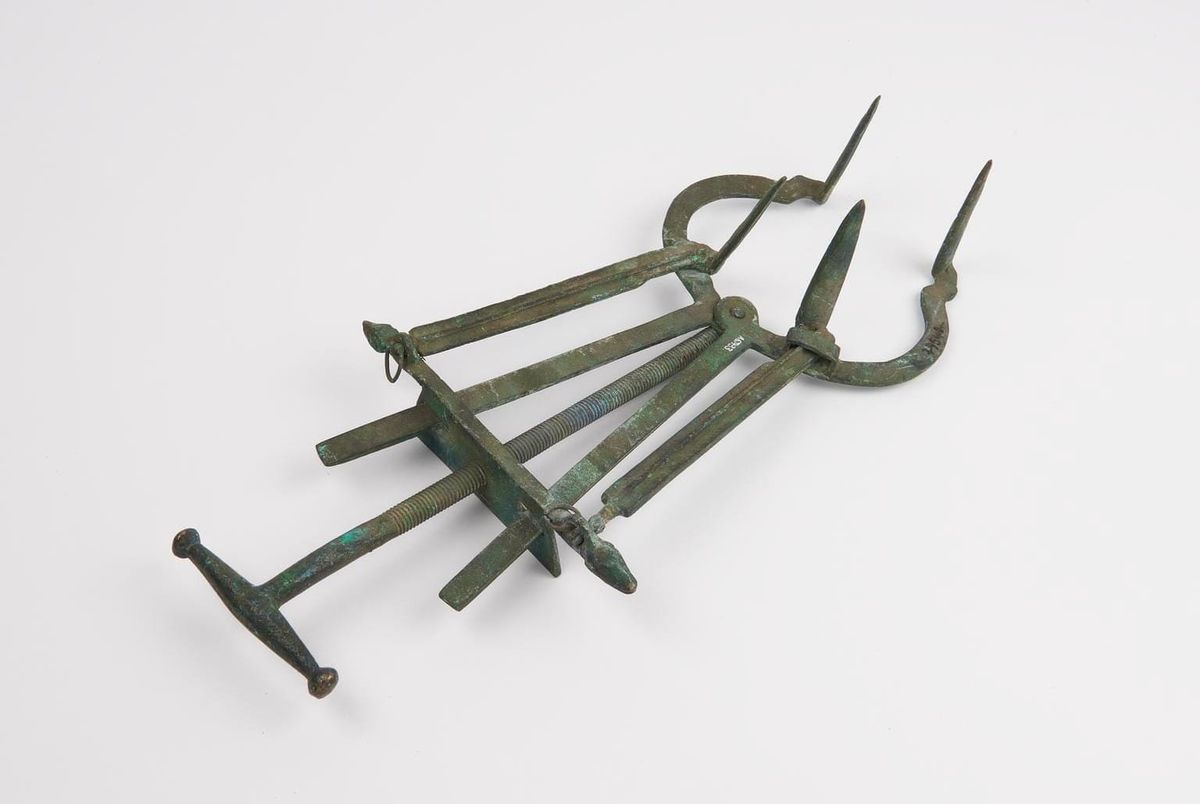
This week, ancient historian Tara Mulder discusses her new book, A Womb of One's Own: Lost Histories of Childbirth in Ancient Rome, critical fabulation, and other methods for writing lost histories. Then, brewing beer during the Qin dynasty; marginalia within Latin, Arabic, and Hebrew philosophical traditions; infants wrapped in Tyrian purple textiles in late antique York; repatriating ancient Jain manuscripts; scholarly 'eunuch phobia' when discussing Ancient Persia; reports on the attacks on faculty free speech and tenure; new ancient world journals; and much more. This is our last Pasts Imperfect issue before a nice summer break, so enjoy!
Reimagining the Ancient Histories of Childbirth by Tara Mulder
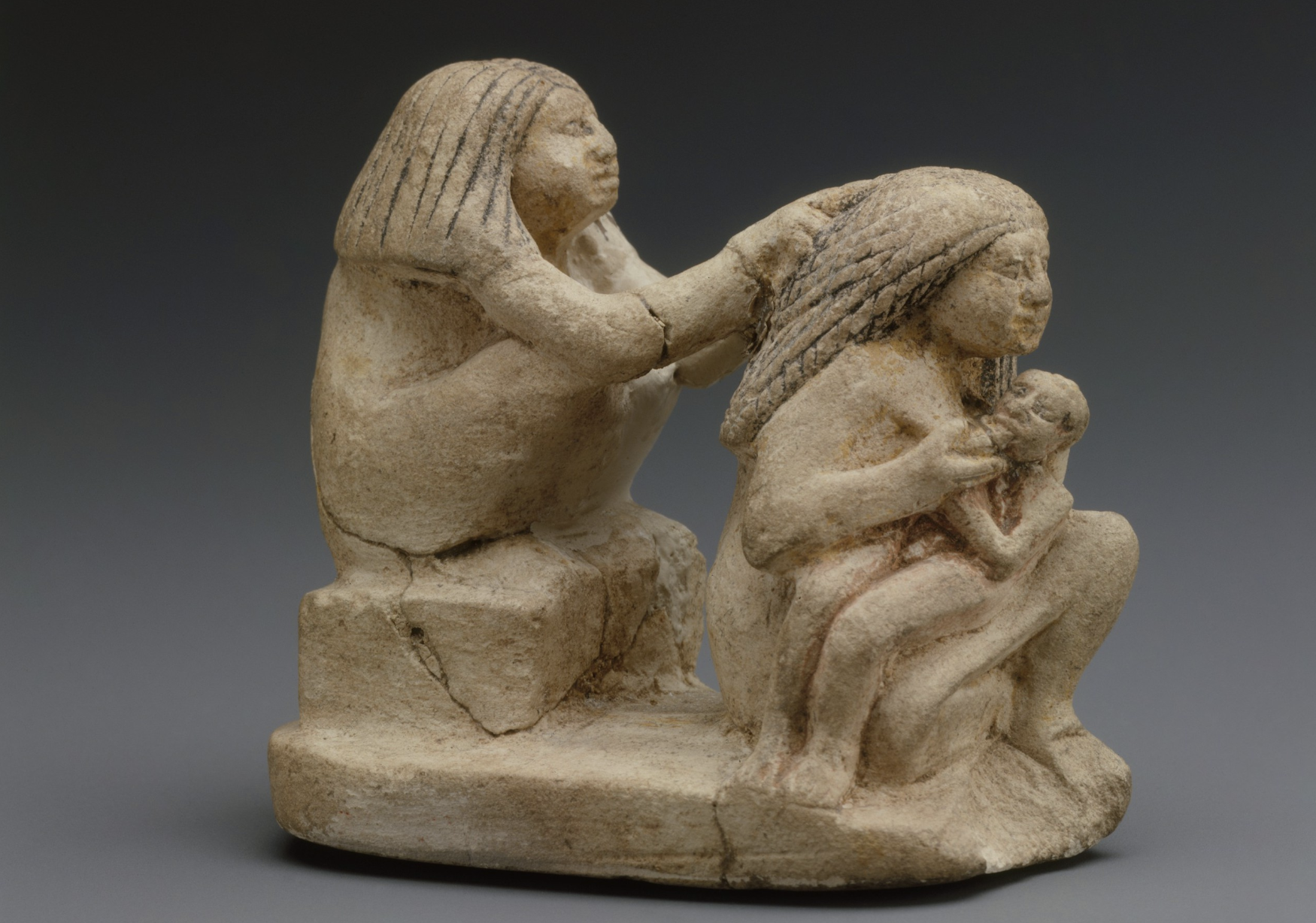
“Any midwife will tell you that babies come at night. They come especially when the moon is full, or new, and the seasons are changing at the solstice and the equinox. So we must imagine [the midwife] Scribonia asleep in her home. In 2nd-century Ostia, most people lived in rented apartments in two- to five-story brick buildings. Given her rising social status, Scribonia may have lived in a large multiroom ground-level apartment built around a central living room. Her apartment may have included a bathroom with piped-in water, as well as a kitchen. Let’s imagine her asleep in one of the side rooms, on a wool-stuffed mattress on a wooden bed. Perhaps one of her slaves comes and shakes her awake. Let’s say it’s Prosdocia, before she and Scribonia have had their falling-out.
A man is waiting outside with a donkey-drawn cart. Scribonia rouses quickly from a light sleep. Prosdocia gathers supplies—herbs and medicaments, a wool cloak for Scribonia, a birth chair, a portable bronze lantern. The two women climb into the back of the cart. They bounce as the cart clatters over the cobbled streets, which are paved with large lava stones. The cart is stopped by a vigilis, a night policeman, whose job it is to patrol the streets and make sure they are sufficiently lit. The cart driver starts to explain that the mistress of his household is in labor, but the vigilis recognizes Scribonia and Prosdocia. They helped his wife a month ago. The cart rumbles on. Scribonia feels the aches in her back and legs from too many late nights, too much squatting and crouching. Tomorrow, or the next day, after the birth is over, she will go the balnea, the small neighborhood bath complex near her apartment. She will relax her body in the warm steam room.”
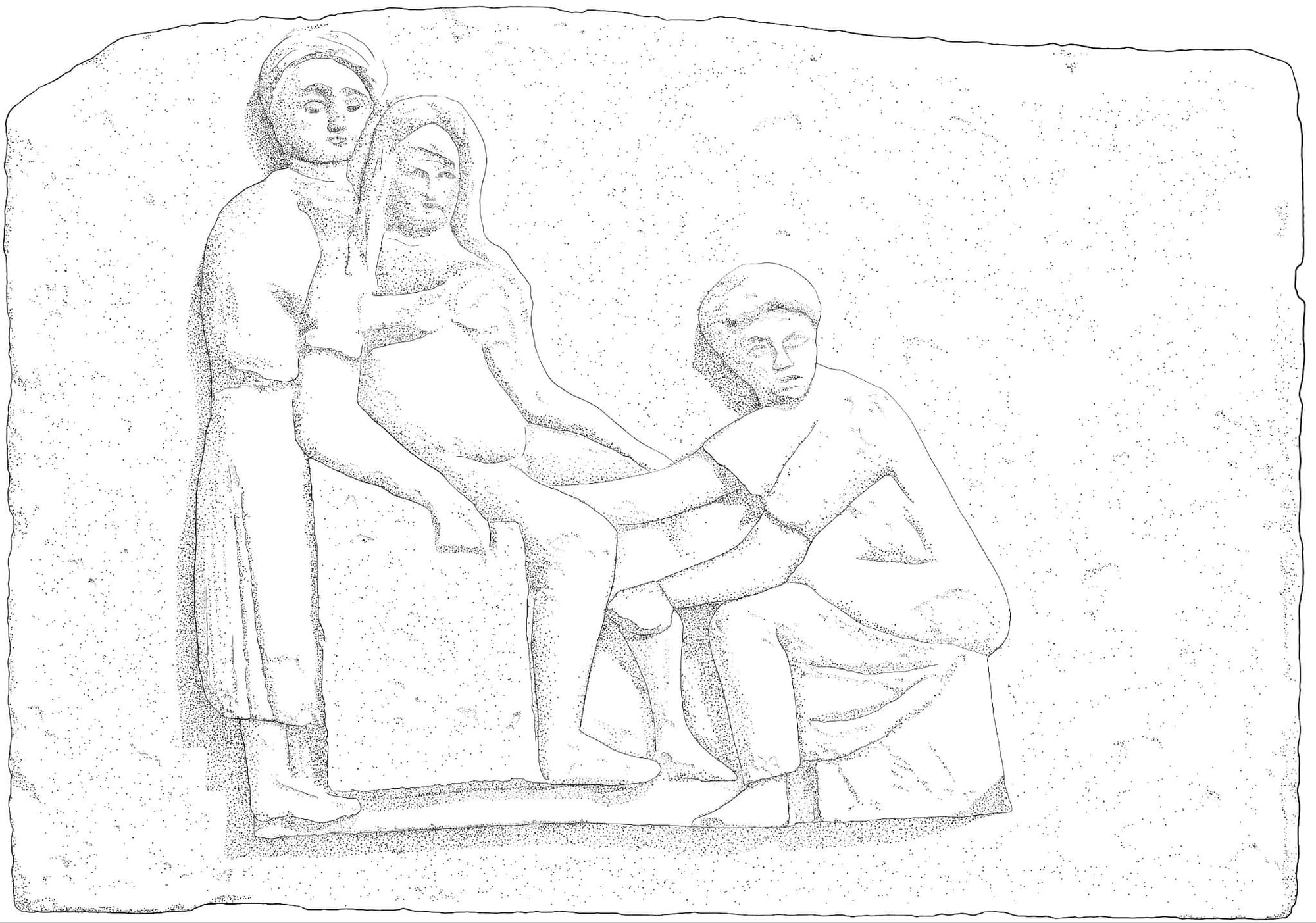
The excerpt above is from my new book, A Womb of One’s Own: Lost Histories in Ancient Rome (University of California Press 2026) at the end of chapter eight, “The Real Midwives of Ancient Rome.” The fictionalized anecdote serves to vivify the fragmentary narratives about Roman midwives that I trace throughout the chapter. As we all do, I use a lot of hedging language, starting the first paragraph in various modes of the subjunctive: hortatory (We must…; Let’s…); potential (Scribonia may have…), then transitioning into a speculative vignette in the second paragraph. The vignette allows the reader to journey alongside the midwife Scribonia and her enslaved assistant, Prosdocia, through the nighttime streets of Ostia, on their way to a birth.
The ways in which historians choose to reconstruct ancient history have meaning. Recently, I have been asked to account for the relationship between what I do in A Womb of One’s Own and critical fabulation –a method for treating lost, marginalized voices developed by Saidiya Hartman in her 2008 essay, “Venus in Two Acts.”
While I must admit that I didn’t learn about critical fabulation until I was well into writing the book, my first feeling upon encountering it was relief. I saw critical fabulation as legitimizing my approach. Maia Kotrosits calls this the “stamp of authenticity.” It seemed that critical fabulation was the answer to my insecurities about the kind of book I was writing in the mode I was writing it. In the end, I decided not to “use” critical fabulation in my book, not because I recognized the pitfalls of such an extraction, but because I wasn’t sure about the ethics of care required in using Hartman’s method and I needed more time to sit with it.
Upon further reflection, I noticed that while our methods share some key similarities—inhabiting the subjunctive mood, enriching fragmentary archives with historically grounded details—–there is at least one crucial difference. Key to Hartman’s work is contending with the violence that has produced the archive with which she is dealing–that of Black women enslaved in the Americas. Hartman’s subjects in “Venus in Two Acts” appear because of violence: recorded at the point of sale, torture, death, or romanticized sexual violence.
A core aim of my book, in contrast, is to challenge the idea that birth in antiquity was inherently terrifying and deadly–that is, violent. While my sources enact epistemic violence as part of a hostile, misogynistic tradition, the histories I am working to recover are frequently ones that show women coping with the uncertainties and fear around birth and working against the nascent beginnings of a medicalized takeover. Such an archive is fundamentally different from one formed through and at the point of violence.
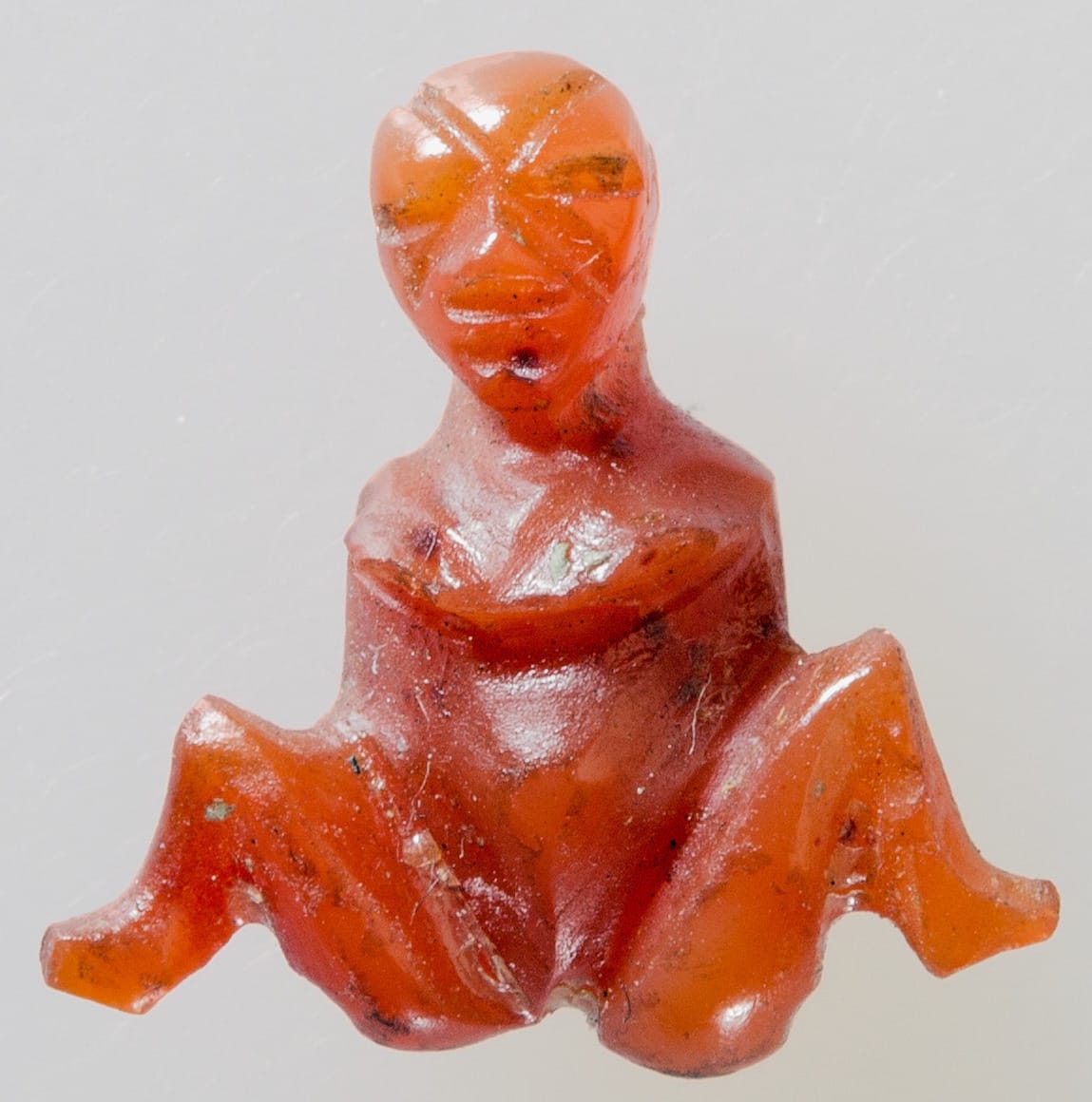
Also key to Hartman’s work is her consciousness of the further violence that she may be doing to her historical subjects by attempting to “rescue” them from a violent archive. (For similar concerns in ancient studies see Zachary Herz’s “How to Do the History of Elagabulus.") I did not share this concern as I attempted to tell ancient women’s stories of triumph through birth.
What I do in A Womb of One’s Own has more in common with historical fiction than with critical fabulation. This choice was influenced in part by the intended readership. In writing a trade title, my goal was first of all to entertain through narrative. To do so, I anchored each chapter around one woman’s story, blending in biographic details of many other people to fill in the gaps. I speculated and embellished, engaging in some acts of creative writing, as in the above excerpt.
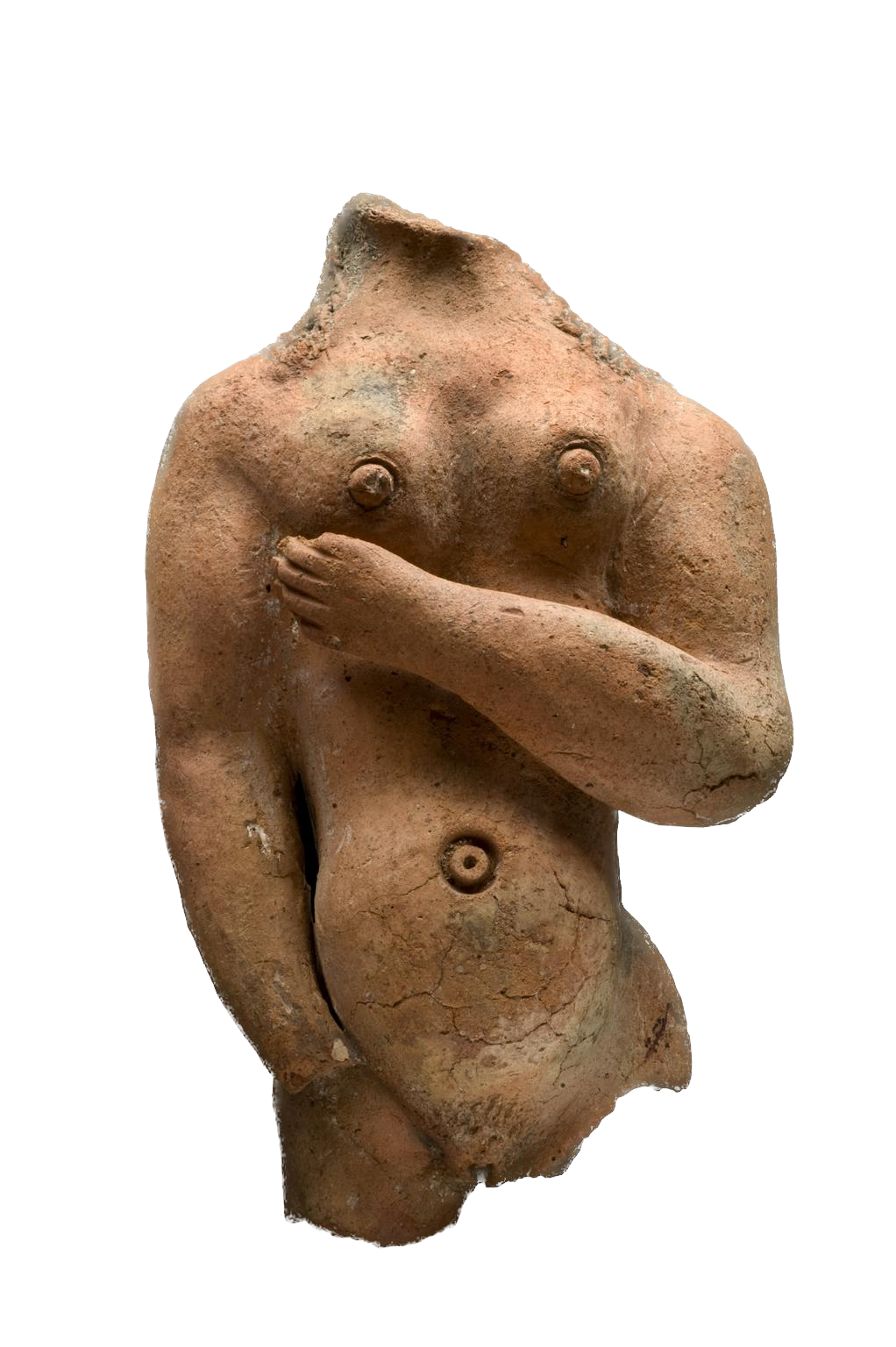
Transparency about our methodological approaches to a fragmentary archive is an important part of the emerging scholarship on reproduction in ancient Rome. Two other scholars with recent books on the topic have similarly attended to the relationship between their work and critical fabulation. In Birthing Romans: Childbearing and Its Risks in Imperial Rome (Princeton University Press 2024), Anna Bonnell Freidin explains that she was “inspired by scholars including Saidiya Hartman and Marisa Fuentes” but that she approaches “their innovations with acute awareness of the differences in our archives and position in relation to our historical subjects.”
In The Child Follows the Womb: Gender, Reproduction, and Roman Slavery (Yale University Press 2026), Kat Huemoeller, who writes from fragments of enslaved women’s stories, pays heed to the violence inherent in her archive and the dangers of “enacting another round of violation, objectification, and sexualization” in her work. Giving a nod to Hartman, as well as Marisa Fuentes and others, Huemoeller aims “to lay bare the condition” in which she as a historian has received her subjects–a condition full of doubt and impossibility.
As critical fabulation rises in popularity in ancient studies, we historians will do well to consider our ethics of care in adopting it as a methodology. Maia Kotrosits points out that Hartman’s work is part of a long historiographical tradition developed by Black women scholars that cannot and should not easily be dehistoricized and decontextualized. I add the point that attention to violence (both in the archive and its reconstruction) is a key component of critical fabulation to which we should attend. After all, while someone like Scribonia must have faced the intrinsic violence of a patriarchal and misogynistic society, she does not appear in the archive only because of or at the point of violence being done to her. We know about her because she wielded a certain amount of control over her own life: she chose to set up a mausoleum celebrating her work as a midwife.
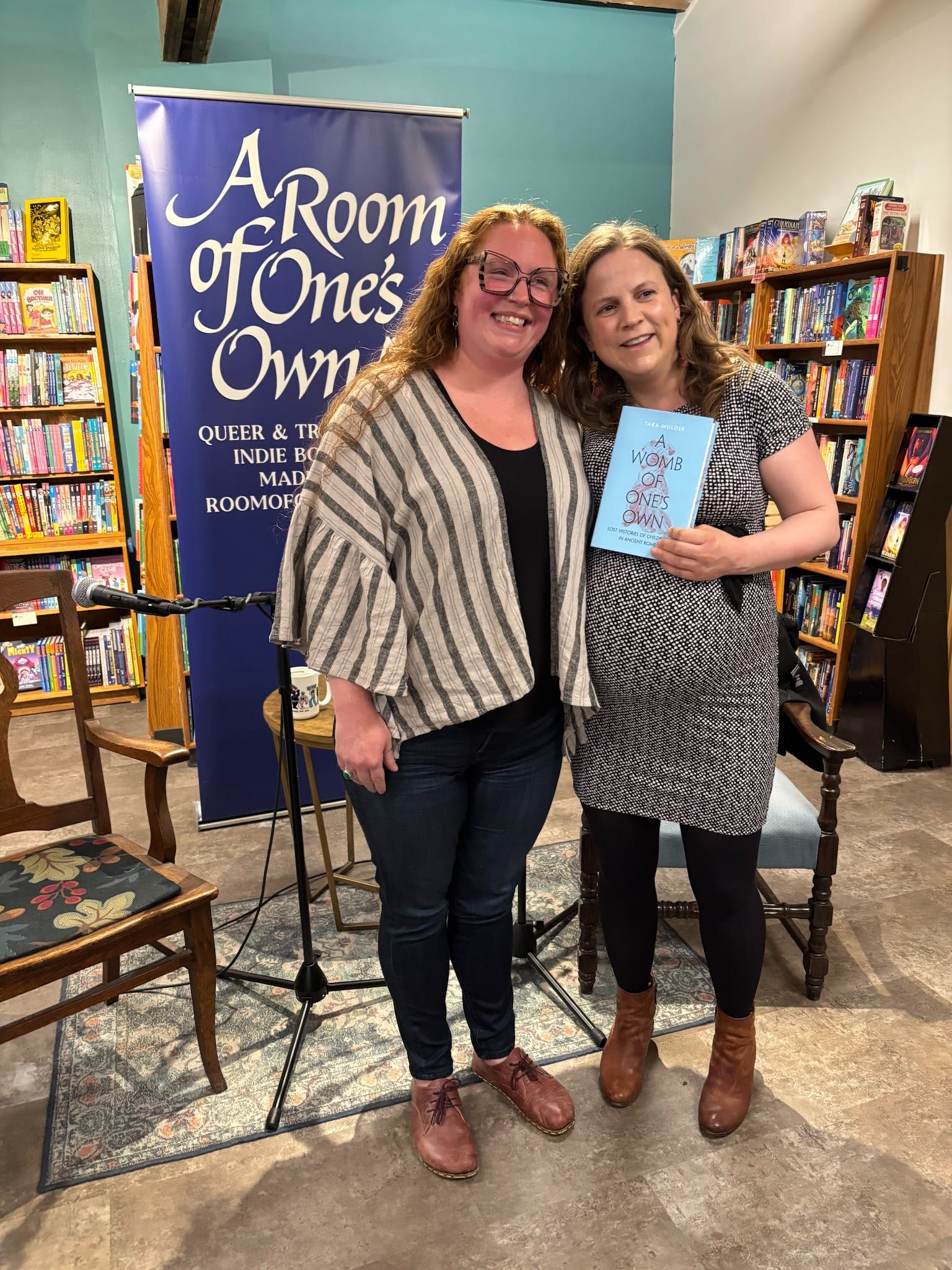
More on A Womb of One’s Own: Lost Histories of Childbirth in Ancient Rome:
- Drafting the Past Podcast, Episode 101–Tara Mulder Describes the Conditions of Labor (May 26, 2026)
- New Books Network Podcast–A Womb of One’s Own: Lost Histories of Childbirth in Ancient Rome (May 16, 2026)
- Lesche Podcast, Episode 41–Lost Histories of Childbirth in Ancient Rome (May 6, 2026)
- Q&A with Tara Mulder, author of “A Womb of One’s Own,” UCP Press Blog (May 5, 2026)
Other recent books on reproduction in ancient Rome:
Anna Bonnell Freidin, Birthing Romans: Childbearing and Its Risks in Imperial Rome (Princeton University Press 2024)
Caitlin Hines, Rome’s Visceral Reactions: Politics and Poetics in Flesh and Blood (University of Michigan Press 2026)
Kat Huemoeller, The Child Follows the Womb: Gender, Reproduction, and Roman Slavery (Yale University Press 2026)
Angela Hug, Fertility, Ideology and the Cultural Politics of Reproduction at Rome (Brill, 2023)
Anna Tatarkiewicz, The 'Cursus Laborum' of Roman Women: Social and Medical Aspects of The Transition from Puberty to Motherhood (Bloomsbury Academic, 2023).
Public Humanities and a Global Antiquity
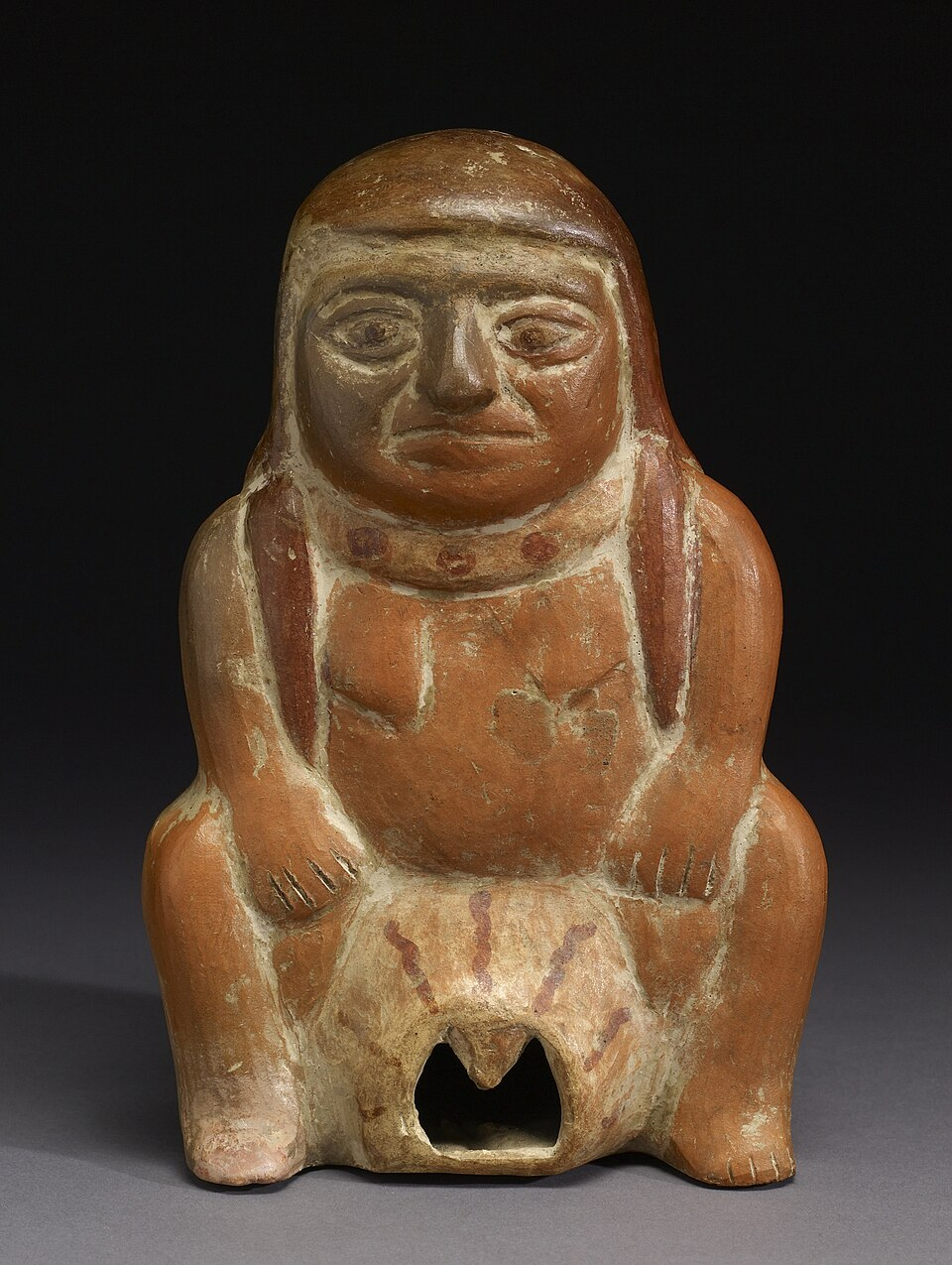
Can we recover the brewing techniques of the Qin people? In the Journal of Archaeological Science: Reports, researchers report on a new analysis wherein "a large amount of liquid was found in a bronze bottle with garlic-shaped mouth, which was unearthed in a Qin tomb M39 at Shanjiabao cemetery dating to the Warring States period (475–221 BCE)." In other words? They found some delicious beer near the Qin Great Wall. Archaeologists were tipped off to the contents by the fact that "the bronze bottle with garlic-shaped mouth is commonly regarded as the vessel for alcoholic beverage" in Qin culture.
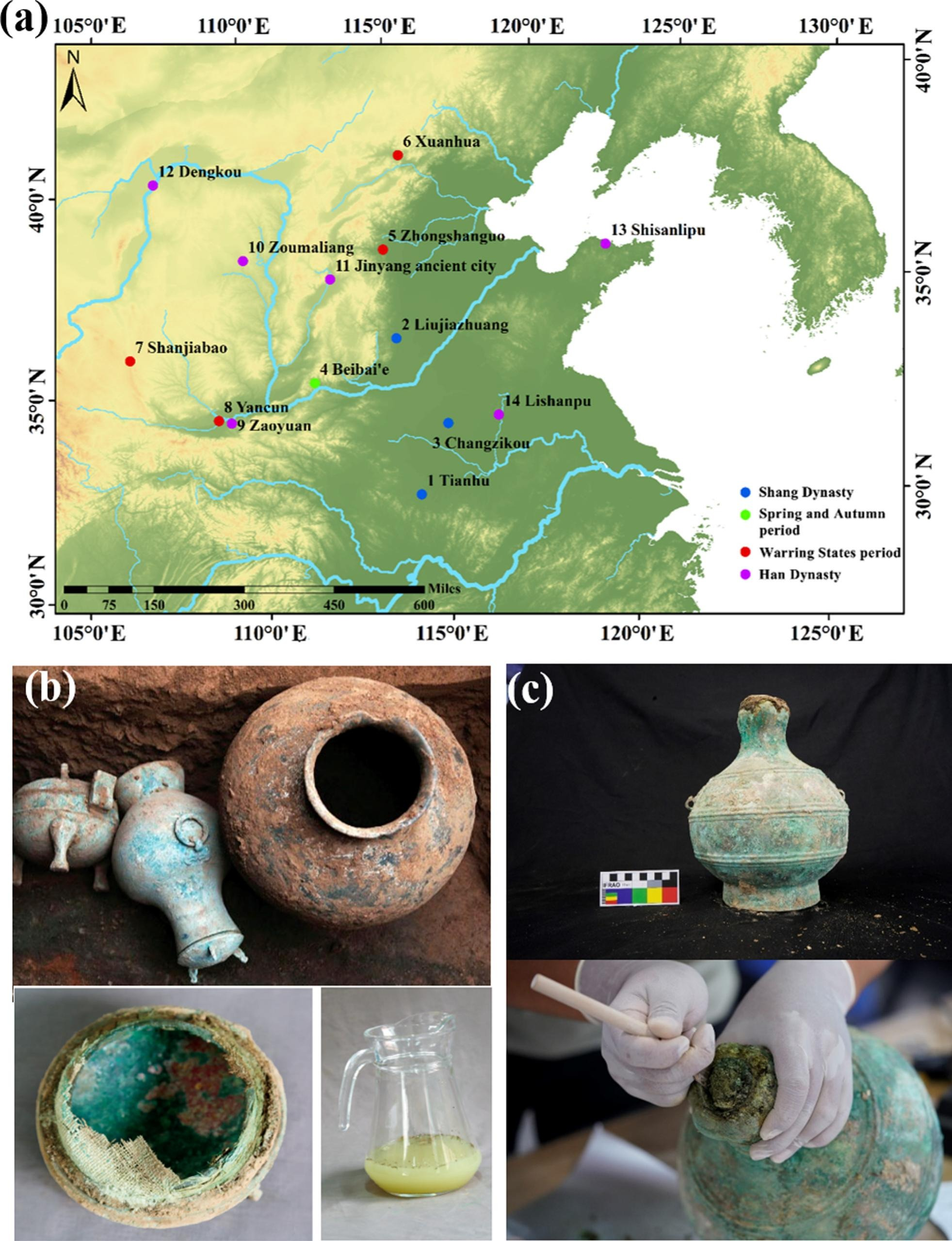
Philosophers were interested in the margins long before Derrida. The new open-access collection: Thinking in the Margins: Marginalia in Medieval and Renaissance Philosophy, edited by Mario Meliadò, examines the role of marginal writing in the Latin, Arabic, and Hebrew philosophical traditions. And in other medieval news, Elisabetta Magnanti and Mark Faulkner have published a rediscovered manuscript of Bede. "The newly rediscovered codex contains perhaps the fifth-oldest surviving complete copy of the Historia Ecclesiastica. As such, it is a hugely important witness to the transmission of Bede’s text to Europe in the century after he completed it. Even more exciting, the manuscript proved to contain the third-oldest text of Cædmon’s Hymn." Bede-azzling indeed.
At the Legacies of Ancient Persia podcast, archaeologist Matheus Treuk Medeiros de Araujo is interviewed by graduate student Charlotte Howley. In it, "[t]hey discuss scholarly 'eunuch phobia,' gender bias, and resistance to translating terms without explicit mention of castration as well as dehumanizing modern language; using diverse evidence and methods like critical fabulation, centering violence and trauma in eunuch “creation”; same-sex love in Persian contexts versus Greek/ Roman anxieties; and the “uncanny” in imperial art." It is a great episode!

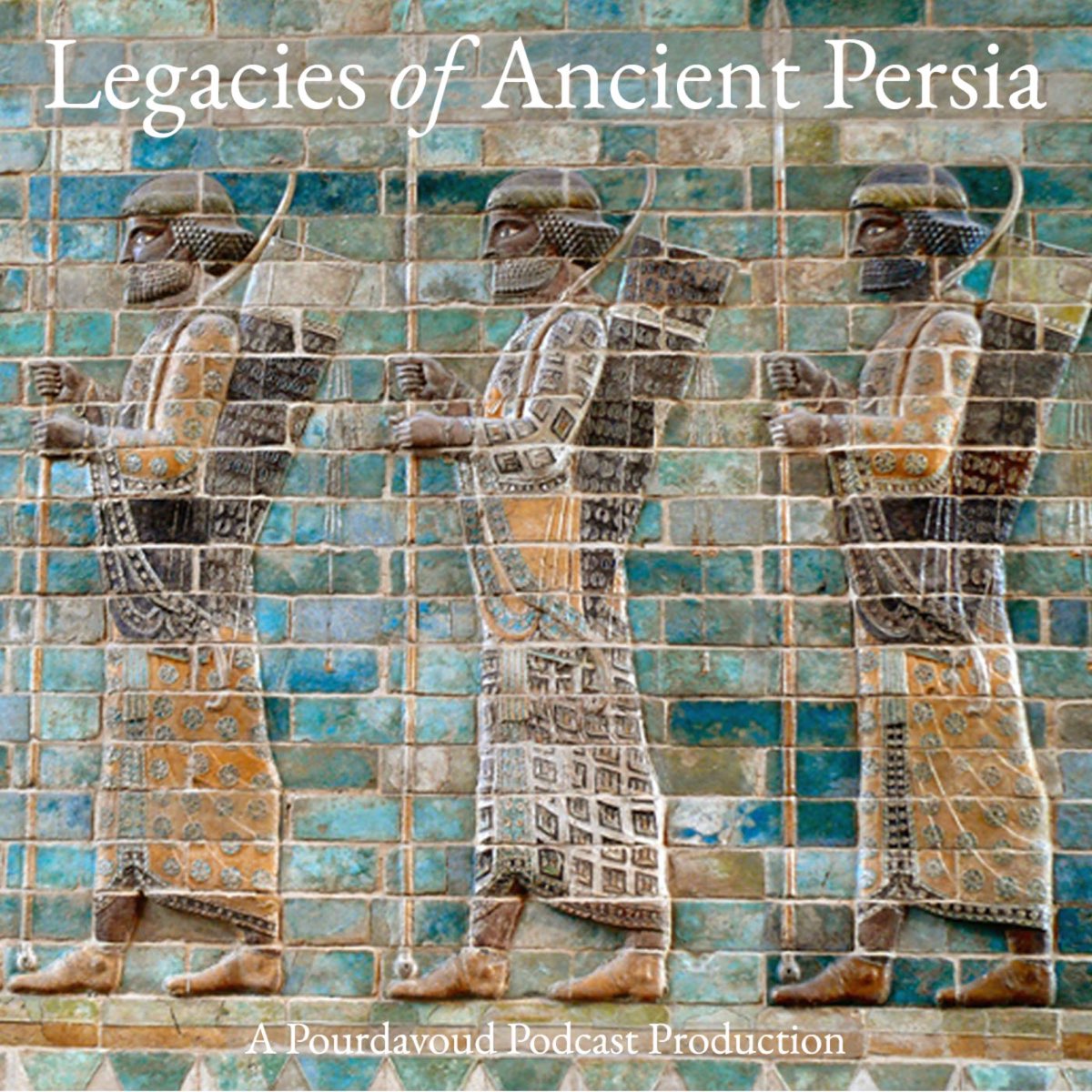
Let's talk about repatriation. Within The Independent, they report that London’s Wellcome Collection will turn over 2,000 historical Jain manuscripts. The Wellcome Library has "the largest body of Jain manuscripts outside South Asia," which "was acquired by agents working for the pharmaceutical entrepreneur and collector Sir Henry Wellcome in 1919." As they note, "The manuscripts span five centuries and cover religion, literature and medicine in Prakrit and Sanskrit, Gujarati, Rajasthani and early Hindi scripts." The manuscripts will be transfered to the Dharmanath Network in Jain Studies at the University of Birmingham.
Academic freedom remains under attack. A new report from the Yale Chapter of the AAUP "reveals that a substantial portion of Yale faculty perceives a significant deterioration in their ability to teach, research, and express ideas amid a deeply politicized higher education environment since January 2025." And at the University of Texas at Austin, the Board of Regents passed the revised rule 31003. As Times Higher Ed notes, presidents can now disband a department for "academic reasons—such as low enrollment or poor program quality—and financial exigency, [but also] presidents can now shutter programs due to 'extraordinary circumstances' that necessitate 'accelerated program closure due to regulatory requirements' and bypass typical review procedures." And in Iowa, "lawmakers move to mandate students take Center for Intellectual Freedom classes amid low enrollment."
We are a big fan of underworld expert and classicist Suzanne Lye at PI. And she has a great new interview with UNC's The Institute for the Arts and Humanities podcast, about her earlier paths in chemistry and tech, her teaching, and even how she approached the underworld as a kind of hypertext.


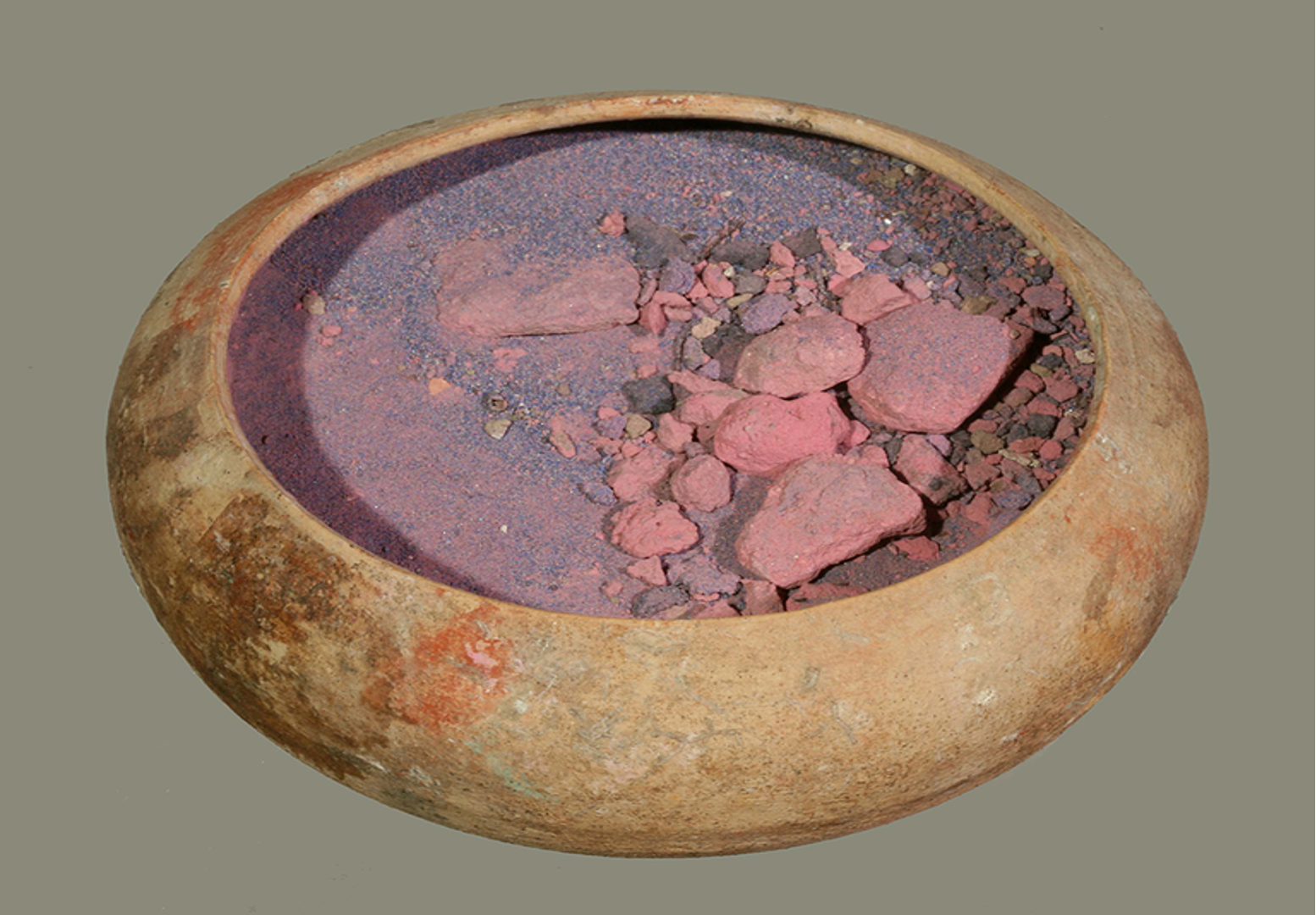
Tyrian purple in Britannia? In a press release from the University of York, they note the "Rare imperial purple cloth found in Roman infant burials in York." The late antique burials date to the late third to fourth centuries CE and preserve textiles dyed with Tyrian purple. The university notes:
One infant was buried with two adults in a stone coffin (which is on display in the Yorkshire Museum), while the second was interred in a lead coffin. The textiles were preserved by the Roman ritual of pouring liquid gypsum over the clothed and shrouded bodies of the dead. The gypsum gradually hardened, protecting imprints and fragments of textiles as well as the dyes and substances originally present in the fabrics.
While the research is highly focused on the purple findings, we would like to think this is also a further indication that high infant mortality rates do not mean that parents in antiquity did not value, care, or deeply mourn the loss of small children.
Finally? Believe in the testudo. Five years ago, 500 African spurred tortoises were released into the Sahara to help address gross desertification. New satellite images now show green patches near their deep burrows. It is a pretty amazing thing to see turtles healing an ecosystem. 🐢🐢🐢
New Ancient World Journals by @yaleclassicslib.bsky.social
Antiquité Tardive Vol. 33 (2025) Le livre et son décor
Atlantís - review Vol. 69 (2026) #openaccess
Classical World Vol. 119, No. 1 (2025) NB Chris Murray, "'The Chain that Make our Life': Prophecies of Constantinople in Mary Shelley’s The Last Man"
Glotta Vol. 102, No. 1 (2026
Historiae No. 23 (2026)
Journal of Classics Teaching Vol. 27, No. 53 (2026) #openaccess
Mélanges de l'École française de Rome - Antiquité Vol. 137, No. 2 (2025) #openaccess Dies Alliensis. Realtà, ideologizzazione e memoria di una sconfitta romana
New England Classical Journal Vol 53, No. 1 (2026) #openaccess Katz Prize Winner: Ryo Nagao "Oral Tradition and Literary Innovation in an Epigraphic Oracle: Claros and Caesarea Trocetta during the Antonine Plague."
Phoenix Vol. 80, No. 1 (2026)
Theoretical Roman Archaeology Journal Vol. 9, No. 1 (2026) #openaccess
Archiv für Geschichte der Philosophie Vol. 108, No. 2 (2026) #openaccess
Dao Vol. 25, No. 2 (2026)
History of Philosophy & Logical Analysis Vol. 29, No. 1 (2026) Scepticism and Argument: Sextus Empiricus on Logic
The International Journal of the Platonic Tradition Vol. 20, No. 1 (2026)
Sophia Vol. 65, No. 2 (2026)
Augustinianum Vol. 65, No. 2 (2025)
The Catholic Biblical Quarterly Vol. 88, No. 1 (2026) NB Rubin James Yi McClain "The New Jerusalem and Greco-Roman City Founding: Revelation 19–21"
The Catholic Biblical Quarterly Vol. 88, No. 2 (2026)
Eastern Christian Art Vol. 14 (2025) Material Culture in Late Antique Syria and Egypt and Beyond
Estudios Bíblicos Vol. 83 No. 3 (2025)
Journal of the Bible and its Reception Vol. 13, No. 1 (2026) #openaccess
Journal for the Study of Judaism Vol. 57, No. 2 (2026)
Liber Annuus Vol. 75 (2025)
Vigiliae Christianae Vol. 80, No. 3 (2026) NB
Aethiopica Vol. 28 (2025) #openaccess
Antiguo Oriente Vol. 23 (2025) #openaccess
Studia Iranica Vol. 53, No. 1 (2024)
Erudition and the Republic of Letters Vol. 11, No. 1 (2026)
Early Medieval England and its Neighbours Vol. 52 (2026) #openaccess NB Caitlin R. Green "King Alfred and India: an Anglo-Saxon Embassy to Southern India in the Ninth Century"
Frankokratia Vol. 7, No. 1 (2026)
The Journal of Medieval Latin Vol. 36, No. 1 (2026) NB Stella Panayotova "The Power of Latin: Word-Image-Concept Amalgams in Illuminated Manuscripts"
Manuscript Studies Vol. 11, No. 1 (2026) #openaccess
The Mediaeval Journal Vol. 13, No. 2 (2024) Internal and External Iberian Networks
Medieval People Vol. 40 (2026) NB Jamie Wood, et al. "Problems and Possibilities of Namelessness in Late Antiquity and the Early Middle Ages."
Réforme, Humanisme, Renaissance Vol. 106, No.1 (2026)
Acta Archaeologica Vol. 96, No. 1 (2025) War and Archaeology. Practice and Preservation in Ukraine
Acta Praehistorica et Archaeologica Vol. 56 (2024)#openaccess
e-Jahresbericht 2025 des Deutschen Archäologischen Instituts
Workshops, Lectures, and Exhibitions
On Thursday May 28, 2026, 16:00–17:30 BST via the Institute for Classical Studies, Abigail Graham will provide a workshop on "The Cutting Edge: Conversations in epigraphy." As the ICS notes, "Digital epigraphy initiatives have created a wondrous trove of resources for those searching for inscriptions online, which often include text, commentaries, geo-locators, images, and so much more. However, searching for a text online can still be difficult, especially for the uninitiated. Making epigraphy more accessible is not only about creating these resources, but also about helping broader audiences navigate the unique parameters of these materials: what do digital resources provide; what might they omit?" Sign up for the workshop here.
Get your anaphora skills ready, because June 3, 2026 is International Cicero Day and the Institute of Classical Studies will be hosting an online workshop beginning at 2pm BST = 9AM EDT. Cicero scholar Stephanie Frampton (MIT) will be giving the keynote: "Cicero’s Books as Friends." And the Philosophy in the Roman Mediterranean project has organized a conference at the British School at Ankara, and online, June 4th through 10th. The project, directed by George Boys-Stone and Matthias Haake, aims to develop a new historiographic basis for the understanding of philosophy in the Roman period.
On Friday June 5, 2026 from 6:00pm - 7:00 pm EDT, Dr. Monica H. Green will deliver the 2026 American Association for the History of Medicine's Garrison Lecture entitled "Straining the History of Infectious Diseases: Europe’s Two Black Deaths." The Garrison lecture will be held at the JSMBS in room 2120A at 955 Main Street, Buffalo, NY 14203. If you can't make it to Buffalo, it will be posted to the AAHM's YouTube Channel.
On Thursday, June 18, 2026 at 6:00pm CET (12:00 pm ET), Andrew Wilson will discuss "The Water-mills on the Janiculum and the Gothic Siege of Rome." As the AAR notes, "This talk draws together the results of several excavation campaigns in and around the parking lot of the American Academy on Via Medici in 1990–91 and 1998–99 and explores their significance for the changes to the material environment of the Janiculum hill and of Trastevere more generally before and after the Gothic siege of AD 537." Register for the Zoom here.