Pasts Imperfect (9.24.26)
This week, noted ailurophile and Homerist Joel Christensen sings to us about new scholarship helping us to make sense of Homer and highlights a new book on lamentation and glory in the Iliad. Then, reconfirming Jefferson's children with Sally Hemings, mapping the roads and coin circulation of the Roman Empire, the ancient history of Chinese characters, how ancient labor collectives organized the La Mojana field systems in Colombia, 3D printing ancient Greek amphorae with gingerbread, a new board game takes you back to the Sassanid Empire, a virtual lecture on wari khipus, new ancient world journals, and much more. Let's get to it.
Listening for Lament: Challenging the Masculinity of the Iliad
by Joel Christensen
One of the subtler melodies in the cacophonous symphony of responses to Christopher Nolan’s Odyssey is memorable for its dissonance: prominent reviewers have complained that this is not the Odysseus they know—he is too much of an action hero; too dour and straightforward, lacking the trickiness we expect; too much of a “wife guy” suffering from trauma; and, perhaps most severely, uncomplicated.
Lost in the various covers of that particular song is a rather complicated truth about our engagement with Homeric poetry. There is no essential Odysseus, Achilles, or Penelope. The Greek manuscripts we possess are at best musical scores we bring to life with each new mental performance. We create Odysseus anew with each reading. The dissonance of the reviewer’s recoil is the product of expecting one melody and hearing something else altogether.
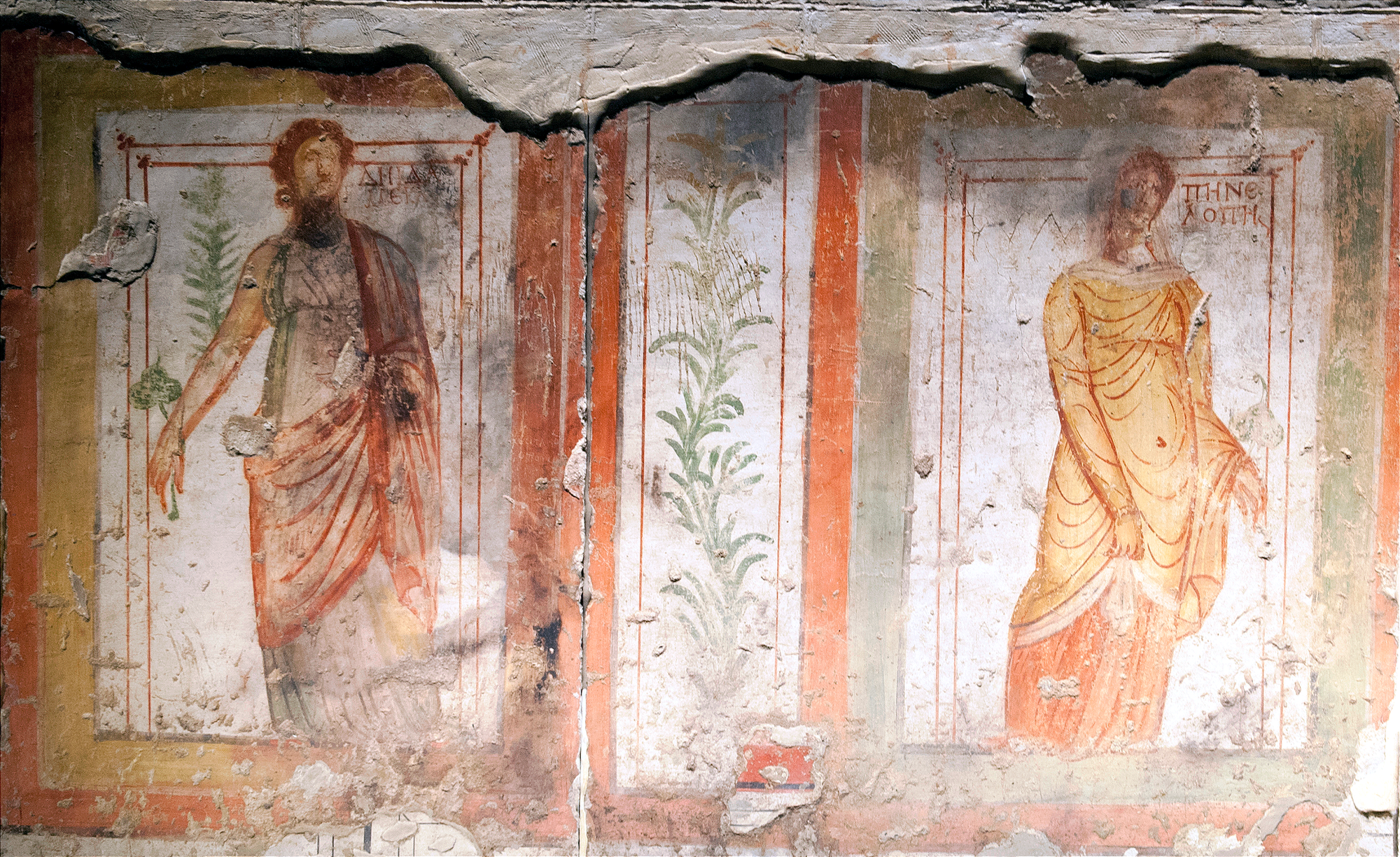
While some lovers of ancient literature may insist that there is a unitary idea or more widely accepted interpretation of one of these “stock figures”, ancient receptions from Pythagorean allegories and Xenophantic protests through Platonic debates and tragic “reboots” tell a different story. It is the ambiguity, fluidity, and multiplicity of ancient epic that keeps us listening in, hearing new things with every voicing.
This is why the ‘final frontier’ of making sense of Homer is figuring out ways to reconstruct the multiple voices and influences that contributed over time to epic’s polytonic nature. The performances that generated the Homeric epics were attended and shaped by audiences that must have included men, women, children, enslaved people, Greeks of many dialects, non-Greeks, the abled, the differently abled, and more. Yet, the majority of the history of Homeric scholarship has been dominated by a particular type of body.
How can a homogeneity of interpretation yield a multiplicity of understanding?
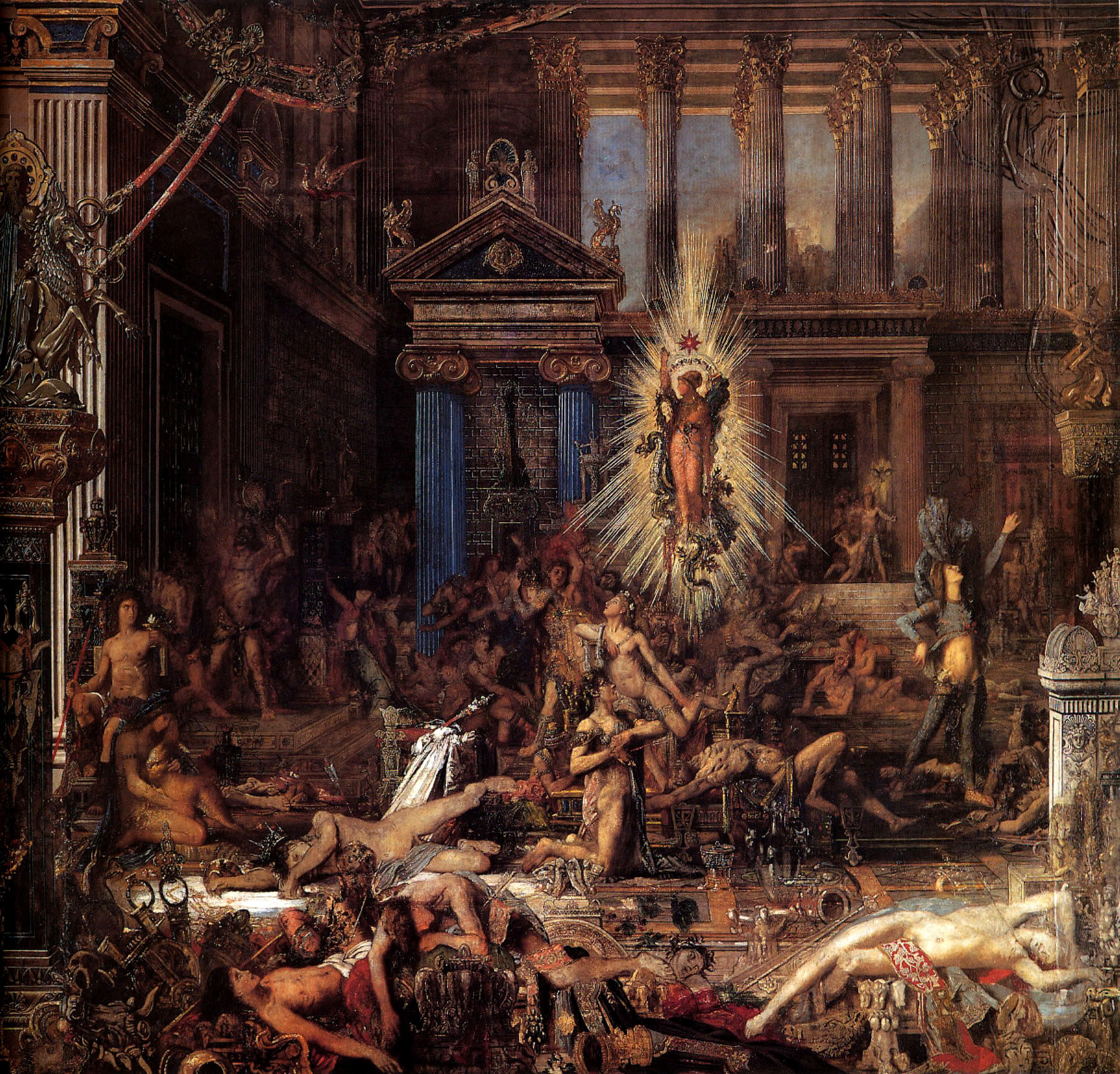
In the study of the Odyssey, this meant that for most of the poem’s interpretive history, Penelope was treated too simply, no one had sympathy for the suitors, and Odysseus’ and Telemachus’ hanging of the enslaved women was near universally supported as just and justified. I count myself lucky to have grown up as a scholar on the insights of brilliant women who, though trained in the mystery cult of Homerists, brought new perspectives to it.
Scholars like Ann Bergren, Laura Slatkin, Nancy Felson, Jenny Strauss Clay, Sheila Murnaghan, Ruth Scodel, Lilian Doherty, and somewhat later Nancy Worman, Elizabeth Minchin, Alex Purves, Andromache Karanika, Casey Dué, Mary Ebbott, Barbara Graziosi, and Barbara Clayton have transformed the way we talk about Homer (especially the Odyssey) and I think too few of us recognize how paradigmatic this shift has been. (And I close this paragraph in trepidation that I have missed someone.) Emily Shanahan’s hot off the Cornell University presses Penelope and Her Maids—which in part takes to task my own assertions about Penelope’s limited agency by introducing frameworks from survivors of sexual violence—is the latest proof regarding how who makes meaning of Homer matters.
Until the past few years or so, the biggest impact of this work has been on the Odyssey, but recent books on the Iliad have started a similar seismic shift. Emily Austin’s Grief and the Hero (2021) and Rachel Lesser’s Desire in the Iliad (2022) have each in their own way expanded how we understand Achilles, rage, and the meaning of Homer’s other epic. Their entry into the conversation has enriched my understanding of the poem and will be essential reference points for years to come.
Joining them now is another wonderful book on the Iliad with even broader implications for archaic poetry. Celsiana Warwick’s Gendered Voices in the Iliad: Lament and Heroic Glory (OUP, 2026) brings together three themes fundamental to our Iliad: difference in expression and ideology based on identity (here, gender), the function of lament, and the conferral of kleos (“glory”). The argument that unfolds helps to clarify powerfully the epic’s beginning in rage and death, the importance of lamentation, and why it ends when “they heaped up the tomb of horse-taming Hektor”.[1]
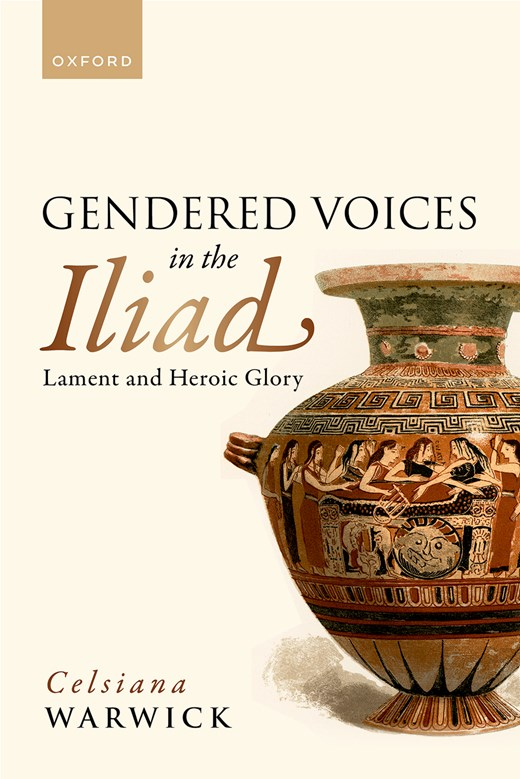
In the introduction, Warwick makes it clear that her goal is to “re-evaluate assumptions of the Iliad’s univocal masculinity” to establish that Iliadic masculinity is not simply celebrated and that gender itself “is central to the conflict of values that plays out in the Iliad” (6). Lament—framed here as feminine discourse—helps to counterbalance the threat that heroic masculinity poses to the community. To be sure, these are terms and frameworks at which many in the manospheric response to Nolan’s Odyssey would rebel; but the synoptic use of scholarship, the careful argumentation, and the close readings of the Iliad that ensue sing louder than such tired (and tiring) protests.
Warwick’s work is grounded in the understanding that Homeric poetry is “dialogic”, drawing on literary theoretical approaches like those of Mikhail Bakhtin and oral-poetic principles laid out by scholars like John Miles Foley. Epic is—as Egbert Bakker has described it—a “matrix genre” that absorbs and remixes elements of other genres. Warwick builds on work from Karanika (2014) and Dué (2006) that posits that women’s songs became an essential part of the epic web, “representing a…system through the lens of which the values of heroic ideology may be refracted and found unsatisfactory” (11). If I have a question or a qualm about this formulation, it is the perhaps over-optimistic possibility that epic was always in some way meant to negate/debate itself.
I cannot do justice to Warwick’s arguments throughout the book. I will point to a few things and invite readers to spend some time with the book on their own. For any new or old reader of the Iliad, Warwick’s introduction should be mandatory reading on dialogism, heroism, and the rhetoric of chaos: she deftly summarizes the state of scholarship on these questions and advances it through her framing. The first two chapters on Lament and Kleos add nuance to the Iliadic narrator and show that kleos is not nearly as simple as many of us imagine it to be. Chapter 3’s reading of Hektor and Andromache will be required reading for anyone interested in the couple and gendered roles in Homer. The two chapters on Achilles that look first at his use of gender in similes and then his role as a mother and mourner at the end of the Iliad bring complexity to his character that I will be unravelling for some time.
The conclusion expands to the real world and includes a conditional that I think should animate the way we think about the creation of the epics for years to come:
"If we regard the Iliad not as the product of a single (presumably male) poet, but of an oral culture shaped by many individuals, we must acknowledge that women are part of this oral culture, and that the incorporation of the feminine speech genre of lament into the Iliad suggests that we should view this supposedly most “masculine” of epics as having been shaped in part by female voices, perspectives, and experiences” (184).
Warwick gives clear voice to a question that can be rephrased and should change not merely how we talk about Homer but how we talk about literature in general. I am grateful to have lived as a scholar in a time when the academy has been open to all voices. It may be true, as is oft repeated, that the “subaltern cannot speak”. But Warwick shows that they have not just spoken, but they have sung their lives into the songs we know best. We just need help in learning how to hear them.
[1] Disclosure: I read this book in manuscript form and provided extensive comments during a workshop at the University of Iowa. Upon reviewing my notes, however, I am certain I benefitted far more from the process than CW did.
Public Humanities and a Global Antiquity
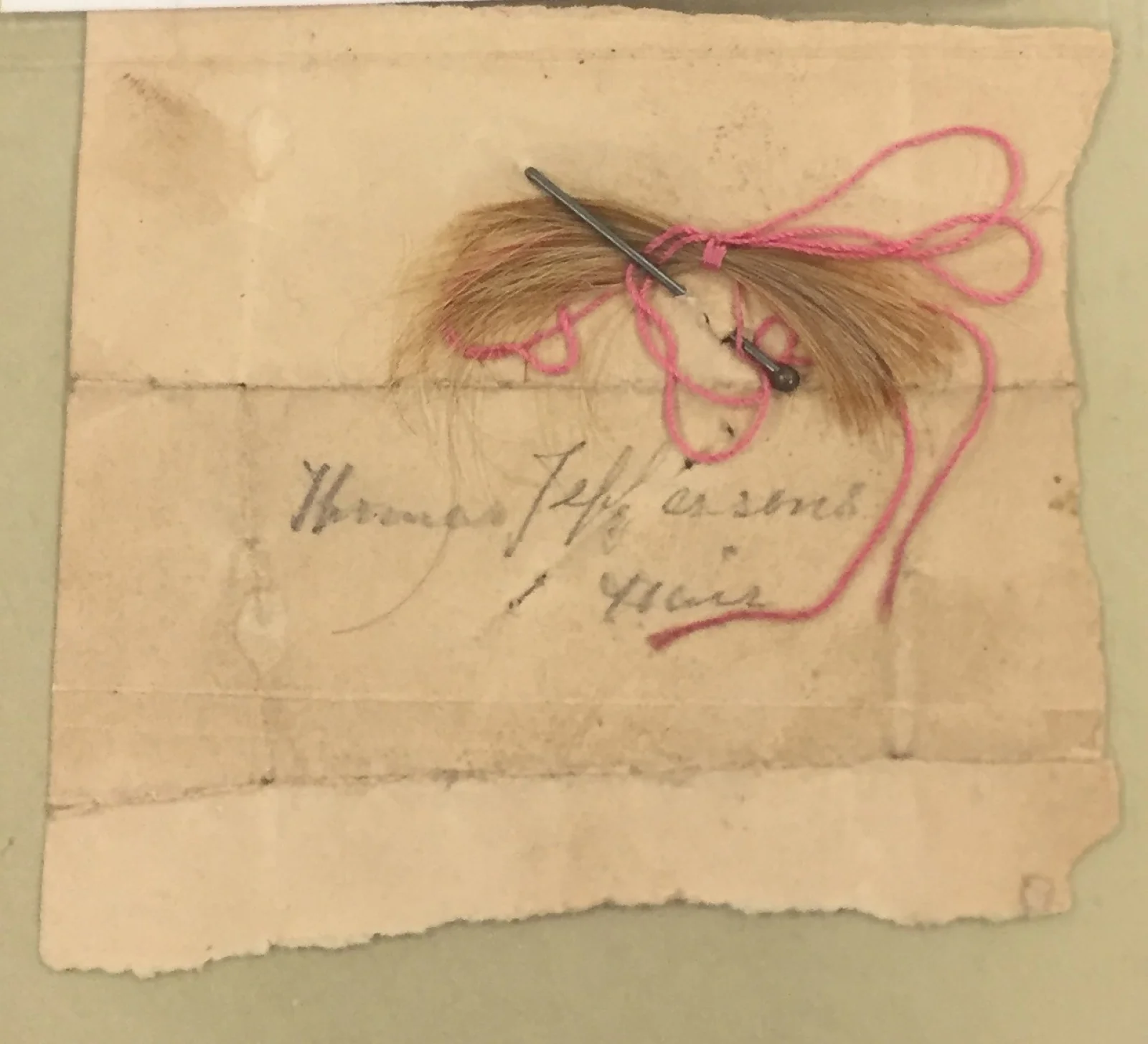
This week, more DNA further confirmed that Jefferson fathered children with Sally Hemings. The analysis was done by using some of the ginger hair found in 2011 within Jefferson's Bible. But this is not the first DNA evidence or the first knowledge of the connection—which was also written about by the likes of W.E.B Du Bois. In 2008, renowned historian Annette Gordon-Reed wrote about the paternity of Hemings' children in her book, The Hemingses of Monticello: An American Family. It is always good to have more confirmation, just remember that there are many scholars who previously worked to make this connection known and who were often roundly criticized for it.
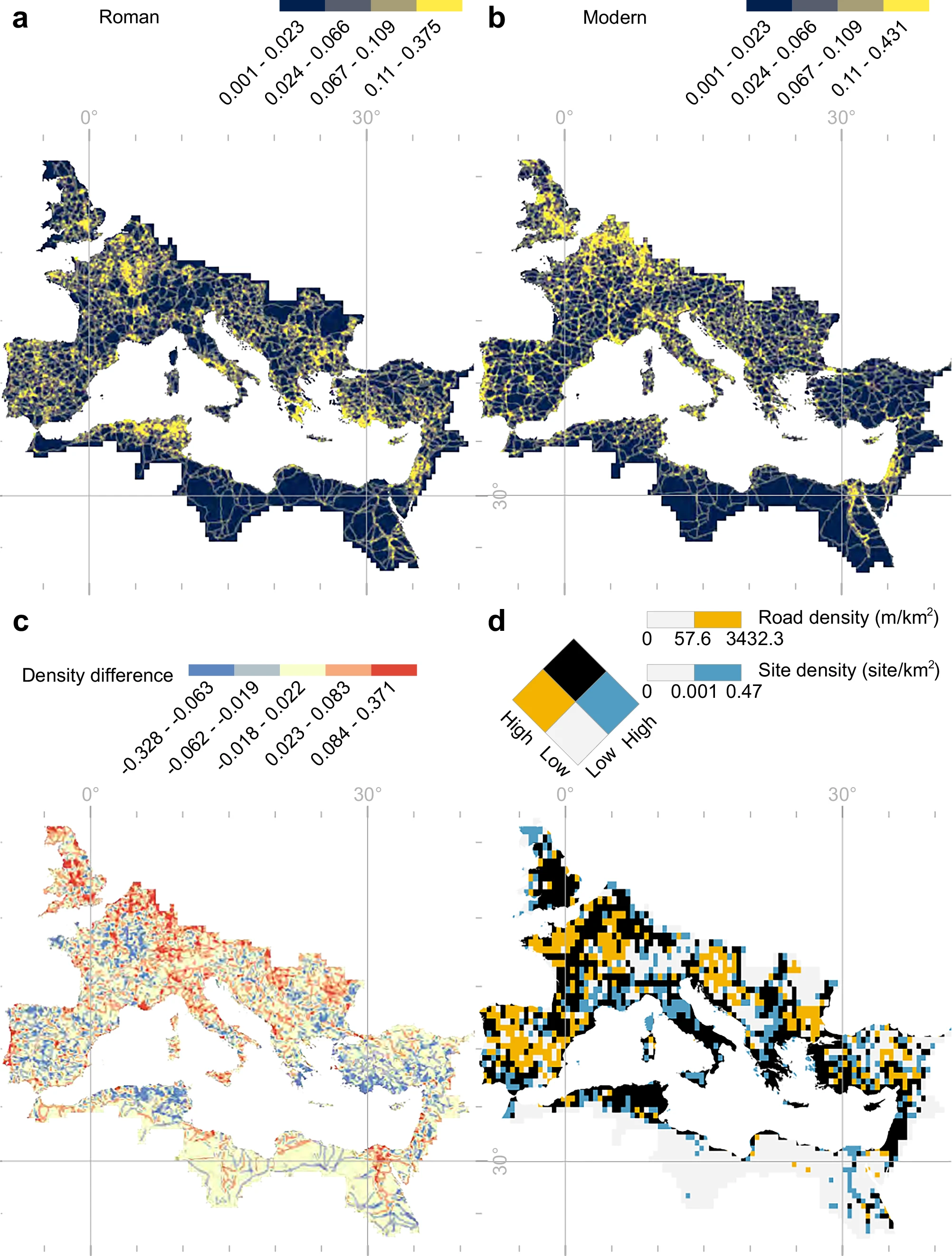
All right, apart from the roads, what have the Romans ever done for us? Last week, the Itiner-e project put out a new research paper in Nature Communications on the myths surrounding the nearly 186,000 miles of Roman roads that stretched across the empire. Guess what? They weren't always as straight as we thought and not all of them led to Rome (apologies to the Liber Parabolarum). Then, in Humanities and Social Sciences Communications, economists Eduardo A. Haddad and Inácio Araújo map coin circulation within the Roman Empire as a way of accessing and reconstructing important economic networks. As they note:
This study combines spatial interaction modeling, social accounting frameworks, and archeological infrastructure data with a large georeferenced dataset of Roman Republican coin hoards (155 BCE-2 CE) to analyze monetary circulation across the Roman world. We show that coin distributions followed institutional logics shaped by administrative centers, military zones, and trade hubs. Urban civic, economic, and religious infrastructures consistently predict local coin density, while spatial clustering aligns with Roman transport networks.
The last 26 years have seen intense geographic research of the ancient world. In 2000, the most extensive atlas of the ancient world to date was published, The Barrington Atlas of the Greek and Roman World (R. J. A. Talbert ed.; Princeton University Press 2000). The geographic data—what we call geodata—from this atlas then formed the basis for an ongoing digital gazetteer called the Pleiades Project. Pleiades now provides information on over 42,460 places in the ancient Mediterranean and beyond, with their data used freely by Itiner-e, Orbis, and the new coin circulation study.
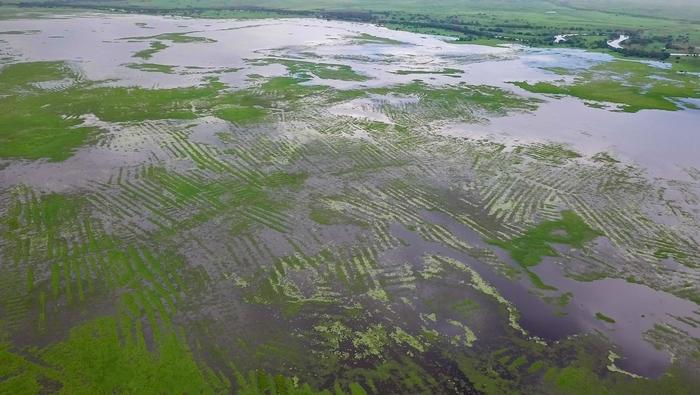
Can we learn about sustainable water management from past labor collectives? A new study of the La Mojana field systems in Colombia’s wetlands published in Communications Sustainability was reported by Popular Science. In it, the researchers look at the vast network of canals and farming ridges in the area from about the 100 BCE to 1100 CE. As they note, "Archaeologists and historians have long assumed such complex and intricate endeavors must have required oversight from rigidly structured authorities, but new evidence suggests otherwise. Instead of a centralized chiefdom commanding their citizens to build the field systems, an international research team now believes the hydraulic agricultural arrangement was designed, built, and maintained by local family cooperatives." Who needs a monarch when you have a badass co-op?
“Policymakers have shown interest in these ancient systems, but lacked data. Our study is the first to show that these sustainable solutions can be organized locally and collectively,” said study author and ICANH archaeologist Fernando Montejo Gaitán. “Local people may need resources from the state, but not necessarily state intervention.”
Over at Medievalists.net, they have an excerpt from Chinese language expert and linguist Zev Handel's new book on Chinese Characters across Asia: How the Chinese Script Came to Write Japanese, Korean, and Vietnamese. As they note, "This book explores the development of the character-based writing system in ancient and medieval China, tracing how it evolved over time. It also examines how this system came to be adopted and adapted in Japan, Korea, and Vietnam, enabling the recording and transmission of knowledge across cultures." The three-thousand year history of Chinese characters is fascinating.
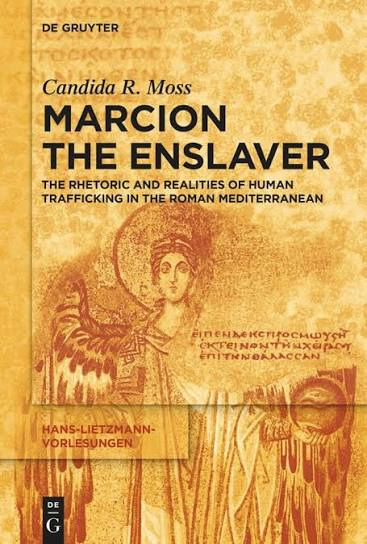
In other book news, there is a new Cambridge Element, Clement of Alexandria, Early Christian Instruction and the 'Catechetical School' written by Edward J. Creedy. You can read for free until October 15, 2026. At the London Review of Books, Rosalind Thomas reviews John Ma's Polis: A New History of the Ancient Greek City-State from the Early Iron Age to the End of Antiquity and Candida Moss has a small but mighty new book: Marcion the Enslaver: The Rhetoric and Realities of Human Trafficking in the Roman Mediterranean.
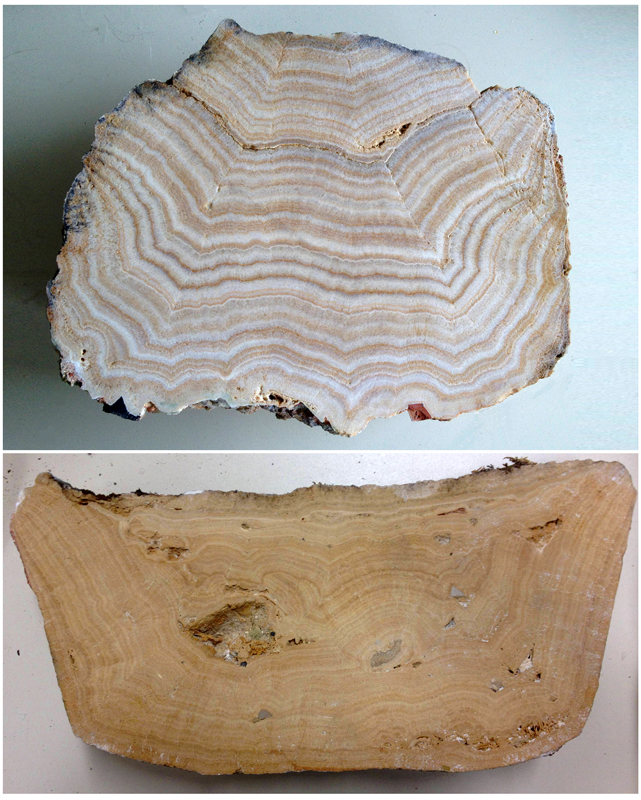
Now for a little archaeology news. The largest African agricultural complex outside of the Nile valley may be at Oued Beht in modern day Morocco. The complex dates to around 3400-2900 BCE and a new study looks at evidence for some "defensive architecture" such as walls in the area, dating to around 2000-1500 BCE. And in France? The Plague of Cyprian may not be as well known as the Plague of Justinian or the Antonine Plague, but it was still quite important. And now a Roman aqueduct that provided water to Nîmes has been analyzed. As Archaeology News notes, the carbonate deposits indicate that
"the system began showing signs of decline after about CE 230. Water quality worsened, and the carbonate became more porous while collecting more clay and sand. Around CE 270, water stopped reaching Nîmes through the downstream section."
The evident demographic dip was, they hypothesize, caused by the plague hitting the city. As a result, the population needed less water.
Gingerbread houses? Over. Gingerbread amphorae? In. These wonderful artists—a ceramicist and a 3D modeler—scanned amphorae from the Met and Harvard Art Museums using photogrammetry. They then remade them with gingerbread. Who knew that photogrammetry could be so delicious.
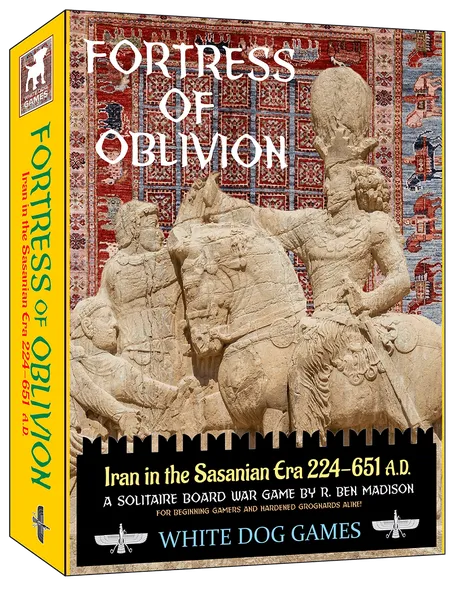
Look, I (Sarah here!) want to be honest that when people get out a board game at parties, I tend to take that as my cue to Irish exit on out of there. But there is a new game, Fortress of Oblivion: Iran in the Sasanian Era 224-651 A.D., which might keep me seated. You had me at 224 CE.
New Ancient World Journals by @yaleclassicslib.bsky.social
AI & Antiquity Vol. 2, No. 2 (2026) #openaccess Neurodiversity and Antiquity
Antike und Abendland Vol. 72, No. 1 (2026) NB Theofanis Tsiampokalos "What Does ‹Quellenforschung› Mean? The Origins of a Technical Term in Classical Scholarship"
American Journal of Archaeology Vol. 130, No. 4 (2026)
The Classical Quarterly Vol. 75 , No. 2 (2026) NB Jonathan L. Zecher, "Galen on Dreams: From Divine Revelation to Rhetorical Strategy"
The Classical Review Vol. 76, No. 2 (2026)
Classical World Vol. 119, No. 2 (2026) NB Catharine Judson "The Tyranny of the Text(books)"
Dionysus ex machina Vol. 17 (2026) #openaccess Repetita iuvant, fortasse
Epic Threads Vol. 2 (2026) #openaccess
Euphrosyne Vol. 53, No. 1 (2026) #openaccess
Greece & Rome Vol. 73, No. 1 (2026)
Mnemosyne Vol. 79, No. 5 (2026)
Studia Antiqua et Archaeologica Vol. 32, No. 2 (2026) #openaccess
Troianalexandrina Vol. 24 (2026)
Doctor Virtualis Vol. 20, No. 1 (2025) #openaccess Pensiero critico e Medioevo
Journal of Indian Philosophy Vol. 54, No. 3 (2026)
Islamic Intellectual Traditions Vol. 1, No. 2 (2026) #openaccess
Phronesis Vol. 71, No. 4 (2026)
Quaestio Vol. 25, No. 1 (2026) Averroism. History, Developments and Implications of a Cross-cultural Tradition
Sophia Vol. 65, No. 3 (2026) Presents and Futures of Islamic Philosophy
Accessible German New Testament Scholarship Vol. 2 (2026)
Novum Testamentum Vol. 68, No. 4 (2026)
Revue Bénédictine Vol. 135, No.2 (2025)
Scrinium Vol. 22, No. 1 (2026)
Vigiliae Christianae Vol. 80, No. 4 (2026)
Zeitschrift für die alttestamentliche Wissenschaft Vol. 138, No.3 (2026)
Vox Patrum Vol. 99 (2026) #openaccess Festschrift in Honour of Rev. Prof. Józef Naumowicz
Ancient Civilizations from Scythia to Siberia Vol. 32, No. 1 (2026)
Journal of Semitic Studies Vol. 71, No. 2 (2026)
Le Muséon Vol. 139, Nos. 1-2 (2026)
Acta Archaeologica Lodziensia Vol. 70 (2024) #openaccess
Getty Research Journal Vol. 21 (2026) #openaccess
Exhibitions, Workshops, and Lectures
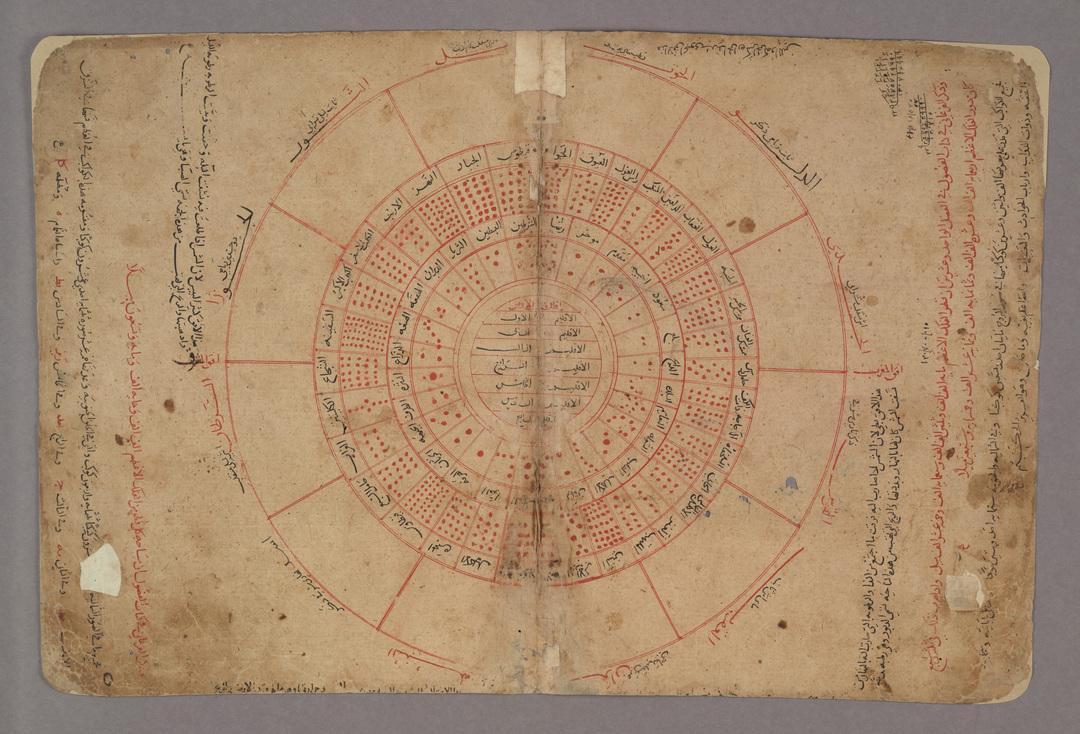
At ISAW-NYU tonight (September 24) at 5:30 EDT, Ali Karjoo-Ravary will discuss "Arabic Cosmographical Maps: Reworking Ancient Traditions" at an in-person lecture. Karjoo-Ravary will "introduce how the Arabic and Islamic manuscript tradition inherited and adapted images of the late antique cosmos. He will then focus on a series of cosmographical maps from the 12th-century Andalusian Sufi thinker, Ibn al-ʾArabi (d. 1240), who split his depiction of the layered cosmos into nine separate folios to criticize the limits and “tightness” of the received cosmological tradition of the philosophers." Register here.
The Penn Museum's Artifacts in Action virtual lecture series commences on Wednesday, October 7, 2026. The first lecture, by Jennifer Houser Wegner features an online exploration of the ancient Egyptian Tomb Chapel of Kaipure and then, on November 4, 2026, Jeffrey Splitstoser looks at wari khipus, the "Information Technology of the Ancient Andes." Lectures begin at 7:00 pm ET.
From October 11, 2026-April 4, 2027, the Stadtmuseum Simeonstift Trier is hosting the exhibition Jewish Life in the Middle Ages (Jüdisches Leben im Mittelalter). As they note, "Drawing on over 100 exhibits from Trier and Rhineland-Palatinate, as well as significant loans from national and international collections, the exhibition offers compelling insights into Jewish life, daily routines, community organisation, and the communities‘ far-reaching networks" since about the 11th century CE. It is curated by Viola Skiba, Andreas Lehnertz, and Christoph Cluse from the University of Trier.

.jpg?ref=pasts-imperfect.ghost.io)