Pasts Imperfect (9.10.26)
This week, ancient historian Jeremy Simmons discusses Rome, India, and his new book on ancient Indian Ocean trade networks. Then, new mosaics may honor two beloved ancient pets, a new book on Aristotle in the antebellum South, the medieval evolution of the taifa of Denia, a gigantic new dinosaur in Brazil, a candle to commemorate what we lost in that Bronze Age Collapse, historian Lonnie Bunch III resigns from the Smithsonian after months of harassment, new ancient world journals, a conference on Ovid in the global tradition, and much more.
Dealings in Decadence by Jeremy Simmons
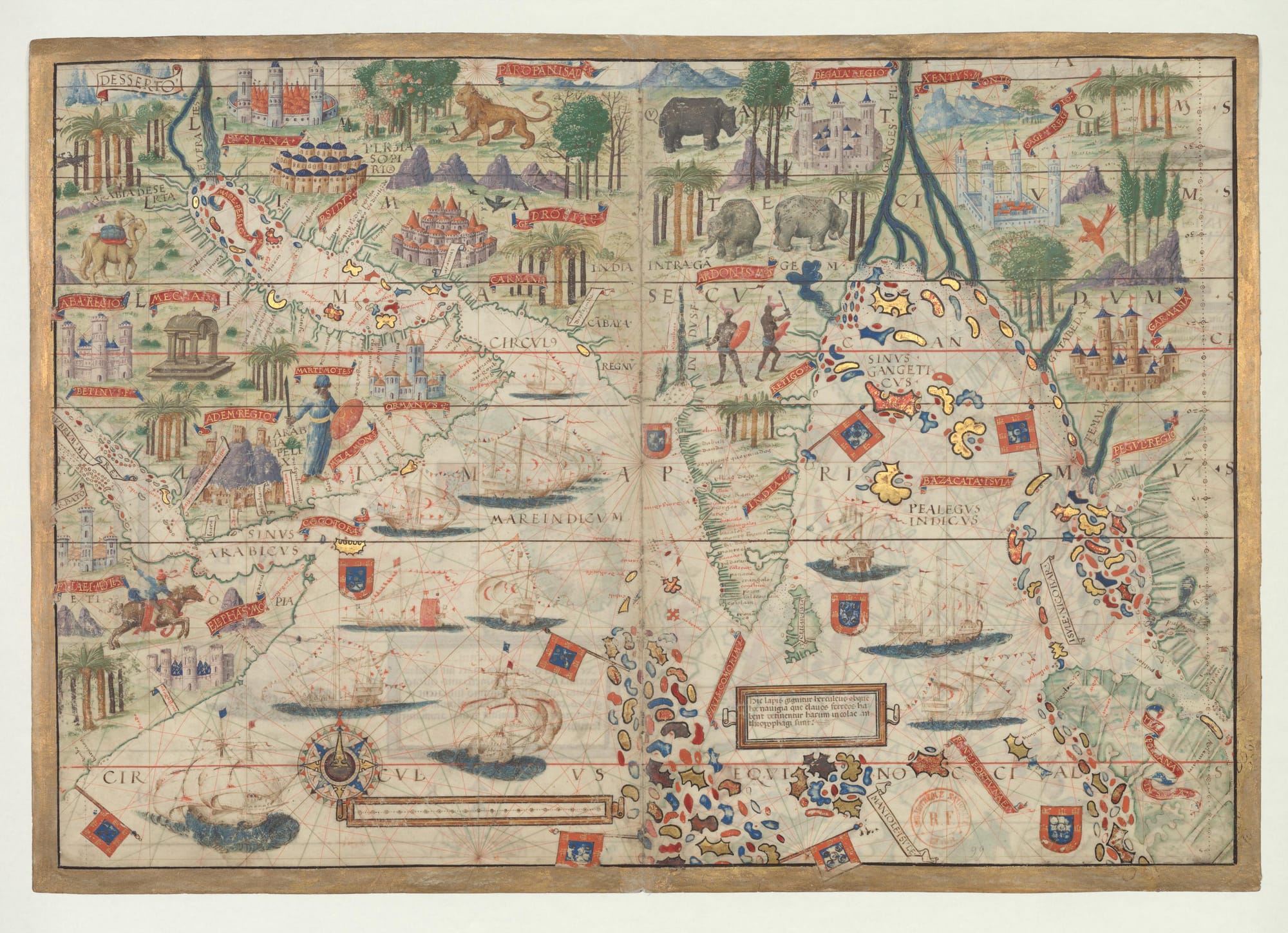
It’s hard not to think about the Indian Ocean nowadays. For months now, a temperamental war over the Strait of Hormuz has captured the world’s attention. Since the invention of watercraft, which first sailed on the Persian Gulf millennia ago, routes across the sea have proven more efficient for moving large quantities than land-based ones—a reality that steady advancements in energy transfer and conveyance have failed to change. Central to the current geopolitical crisis is the politicization of oceans and the things that travel upon them (such as the petroleum that fuels the modern world): they can be subjected to the power of the state, controlled through chokepoints that can be “opened” and “closed.”
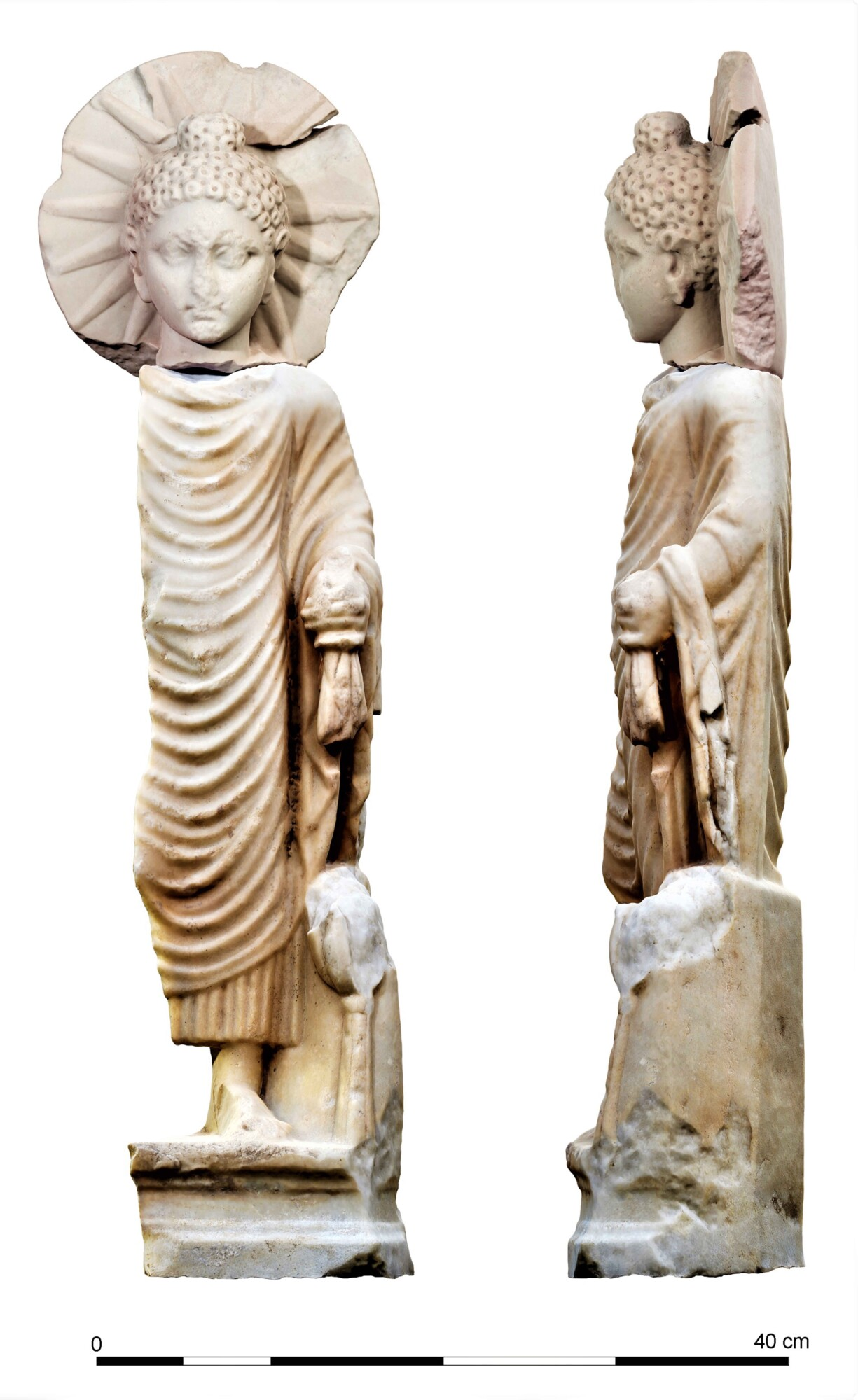
Historians of the nineteenth and early twentieth centuries thought of the ancient Indian Ocean in similar ways, as a geography under Roman sway. They took their lead from contemporary politics: for instance, the British Empire, which, through strategic holdings and colonial brutality, had secured the waterway and, thus, much of Afro-Asia. It’s a fantasy of domination that is hard to give up—what’s one more mare nostrum?—but the Indian Ocean of the early first millennium CE was defined by the absence of hegemony, by its bustling ports and the cosmopolitans living along its shores. Recent years of excavation at the ancient port of Berenike in Egypt, at the very edge of this oceanic world, have yielded South Asian inscriptions and material culture that prove the site’s multicultural character. And far beyond the Syrian steppe, citizens of Palmyra were active all over the Mediterranean, Red Sea, and Persian Gulf; they organized much of the trade in its heyday.
An interconnected Afro-Eurasian world comes with a host of anxieties, much as we see in relation to globalization today. For one, premodern Indian Ocean trade trafficked what we would call “luxuries”: spices, gemstones, textiles, and objets d’art, just to name a few. Many would point to Pliny the Elder bellyaching about the millions of sesterces exchanged in the East for aromatics and pearls (Natural History 12.84) as representative of the Roman perspective (and perhaps confirmation of their own beliefs). They’d argue that it was a bad deal for the Romans, a waste of money abroad that weakened affairs at home. The recent emphasis on inequality by ancient historians, which has shone a light on the precarity most of the population faced, would suggest that the localized, agricultural basis of the economy was far more important than exotica only few could regularly obtain.
It’s not a far leap from Pliny’s sumptuary logic and contemporary historiography to assume that trade represents a noxious form of interdependence, through which human beings fritter away their lives and treasure rather than cultivate self-sufficiency. It’s far more productive to see “luxury” and “necessity” as complementary forces: after all, these are relative terms, not absolute ones; they are rhetorically expedient classifications that change over time. For better or worse, high-bulk, high-value goods like pepper made for high-risk, high-reward investment opportunities. Tariffs on Indian Ocean imports appealed to extractive regimes even as deficits mounted. Elites, who had disproportionate access to suppliers and tried their best to maintain exclusivity, failed to prevent their expansion outward. Being just out of reach, but sometimes obtainable, added to the allure of certain commodities; and connoisseurship, weeding out fakes and knowing how to use the good stuff, became a test of respectability.
Just as Indian Ocean wares crossed territorial and conceptual bounds, so too did they transgress corporeal ones. Beyond rarity, ancient consumers sought the luxuries they did because of their sensuality: think of fragrant spices or shiny gemstones, which possess an almost magical charisma. We might think of jewelry and perfume as accessories, but they also enter our bodies as unprompted smells and distracting glitter. Seductive tastes like fiery pepper are most dangerous; once ingested, they allow for potentially harmful properties to operate from within. These stimuli grease the wheels of interpersonal relationships, like the sex and banquets at the heart of so many fantasies about the Romans, while frustrating those who wish to restrain themselves and others. Through ritual, they bridge worlds mortals can’t alone, helping them navigate between the living and the dead, the sacred and mundane. These consumables offer us not just sensations but a sense of belonging and thus expand our capacity for understanding.
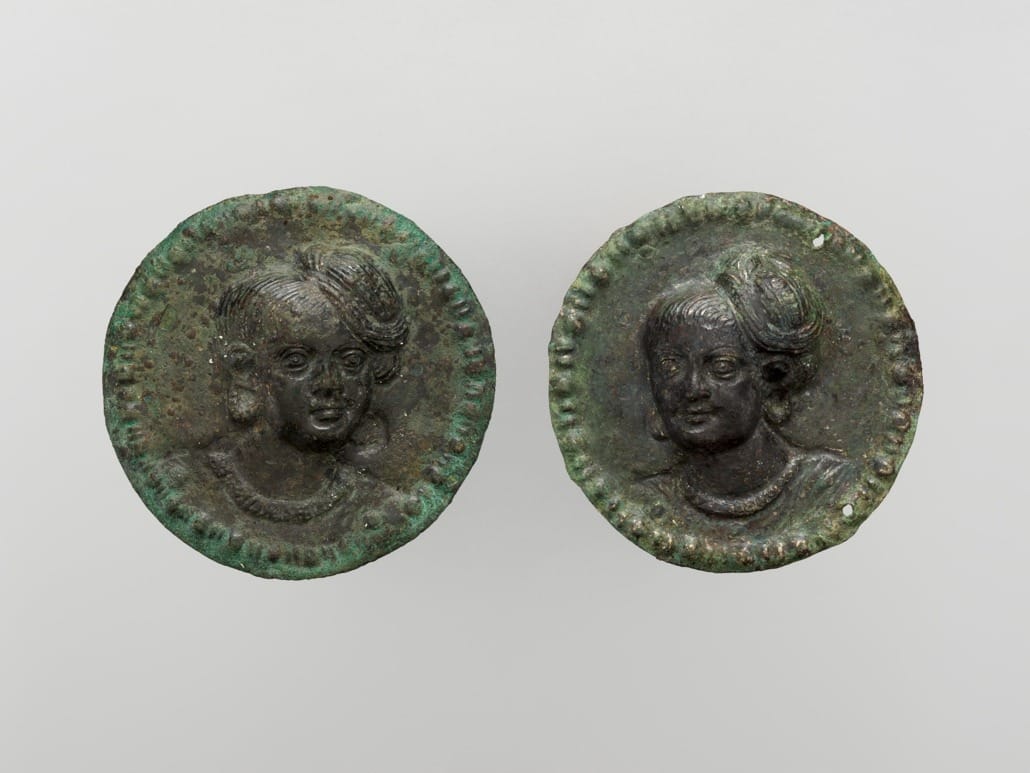
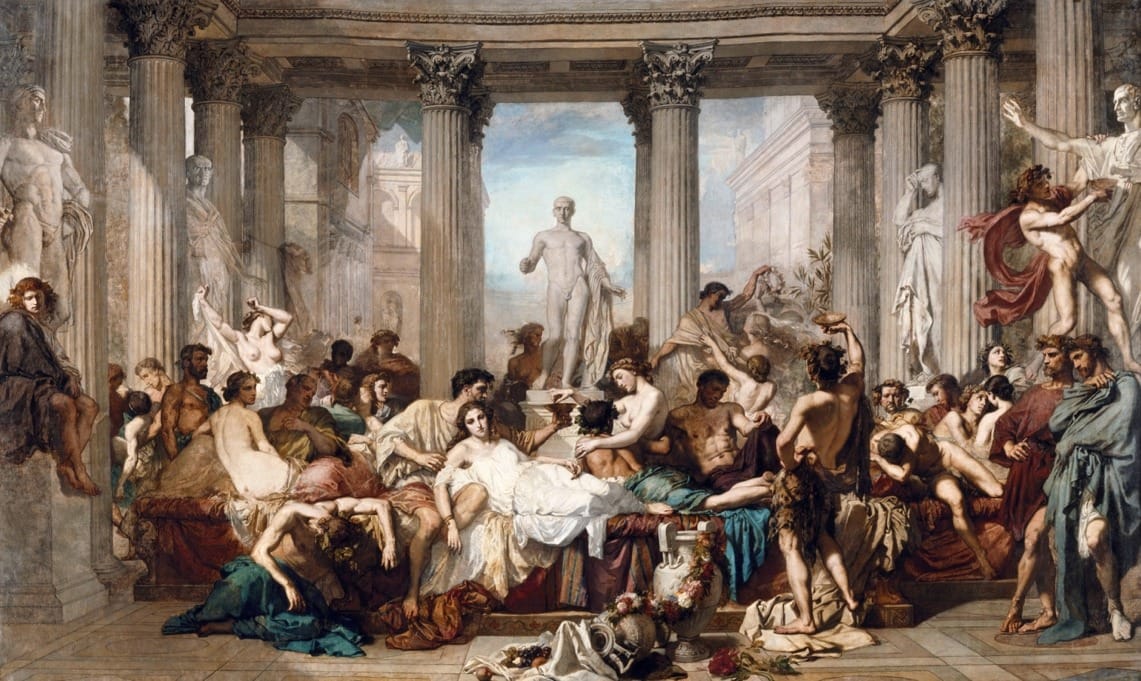
All of this raises the question of just who (or what) is actually in control. Rome’s “empire without end” did have its limits, made painfully clear when dipping its toes into a far more ancient and sophisticated Afro-Asian world. Luxuries can become dangerous invaders of society at large and the individual self, whose separation from material things is far more illusionary than philosophers have been willing to admit. Status, often cemented through conspicuous habits involving imports (or abstention from them), has remained a central concern for millennia. It’s striking how Roman moralists and various proponents of ideologies associated with the far right today (for example, anti-globalism and the “manosphere”) end up in similarly contorted positions over particular acts of consumption: how the prosperity won by frugal forebearers inevitably softens us and leads to decadence (“soft times make soft men”); how free and wealthy males are the real victims in societies that privilege them at the expense of so many; how they are the ones subject to the dominion of an imagined Other, to feminine wiles, and to their own desires. Such grievance is an all-too-typical prerogative of the powerful, but it’s also an obvious tell—that a world made smaller makes them feel smaller too.
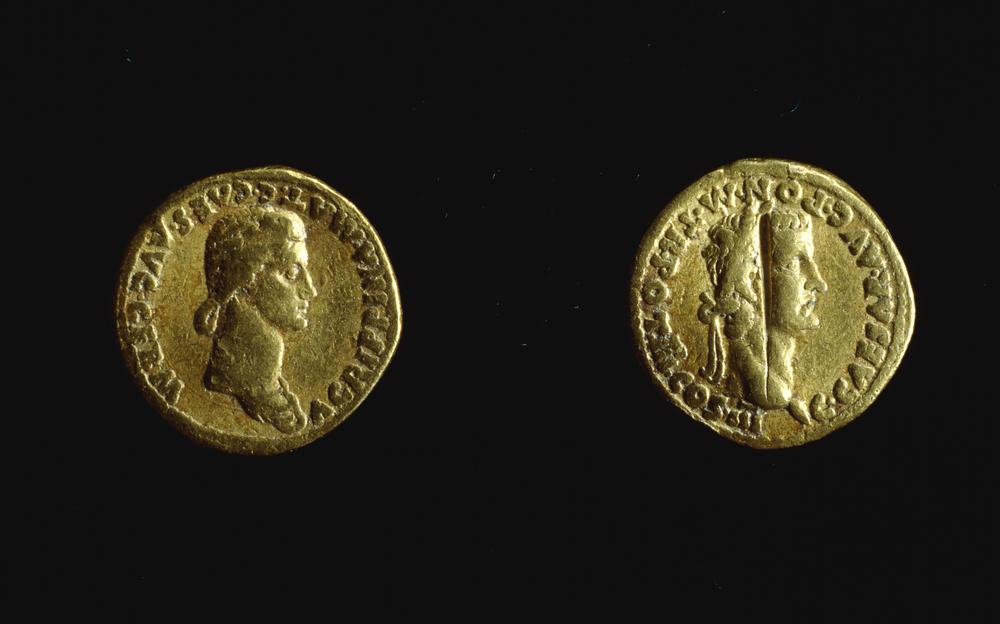
Such fixations are not universal. On the other side of the Indian Ocean, various cultures of ancient South Asia had different conceptions of the relationship between people and sumptuous items. Art historian Ananda Coomaraswamy described the Indic concept of alankarana almost a century ago: ornament isn’t something superficial or vain, but rather a form of satisfaction—that is to say satis-faction, or “making (oneself) enough.” The richly adorned figures who abound in ancient Indian art and literature embody a form of perfection that early Western scholars, in their prudishness, could only see as indecency (Vidya Dehejia’s book is the place to learn more). Suddenly the masses of Roman gold and silver coins found in India, often rendered into pendants for necklaces or serving as inspiration for functional equivalents throughout the ancient world, take on a whole new meaning beyond a rational figure or moral panic. They are objects flexible enough to fulfill divergent social and cultural needs.
There’s much promise in global antiquity. It de-centers familiar perspectives but also reaffirms a sort of human commons, how cosmic and quotidian concerns are jumbled up in the minds of creatures rife with wants and insecurities. All the while, the rigors of disciplinary training can prevent us from fully understanding our sameness and difference. The semantics of luxury run deep and prime us to judge the past rather than comprehend it, just like those Western scholars who so thoroughly misread Indian art. Perhaps I, like historians of previous generations, am seeing through the lens of present circumstance, the failing global order and its malcontents. There is a clear warning to anyone who seeks to explore this wider ancient world: leave the refuge of your assumptions, cast yourself adrift, and see where the winds take you.
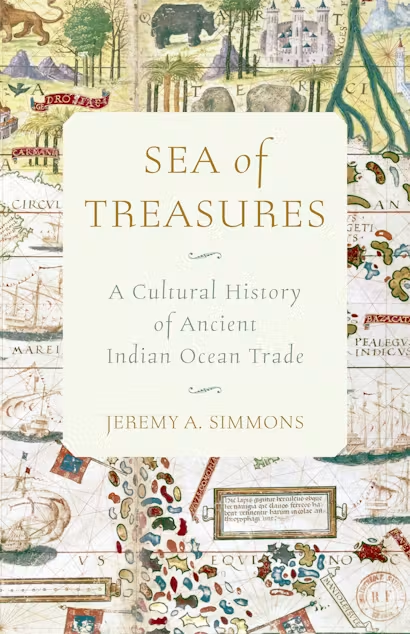
Simmons' new book, Sea of Treasures: A Cultural History of Ancient Indian Ocean Trade is out now with Princeton University Press.
Public Humanities and a Global Antiquity
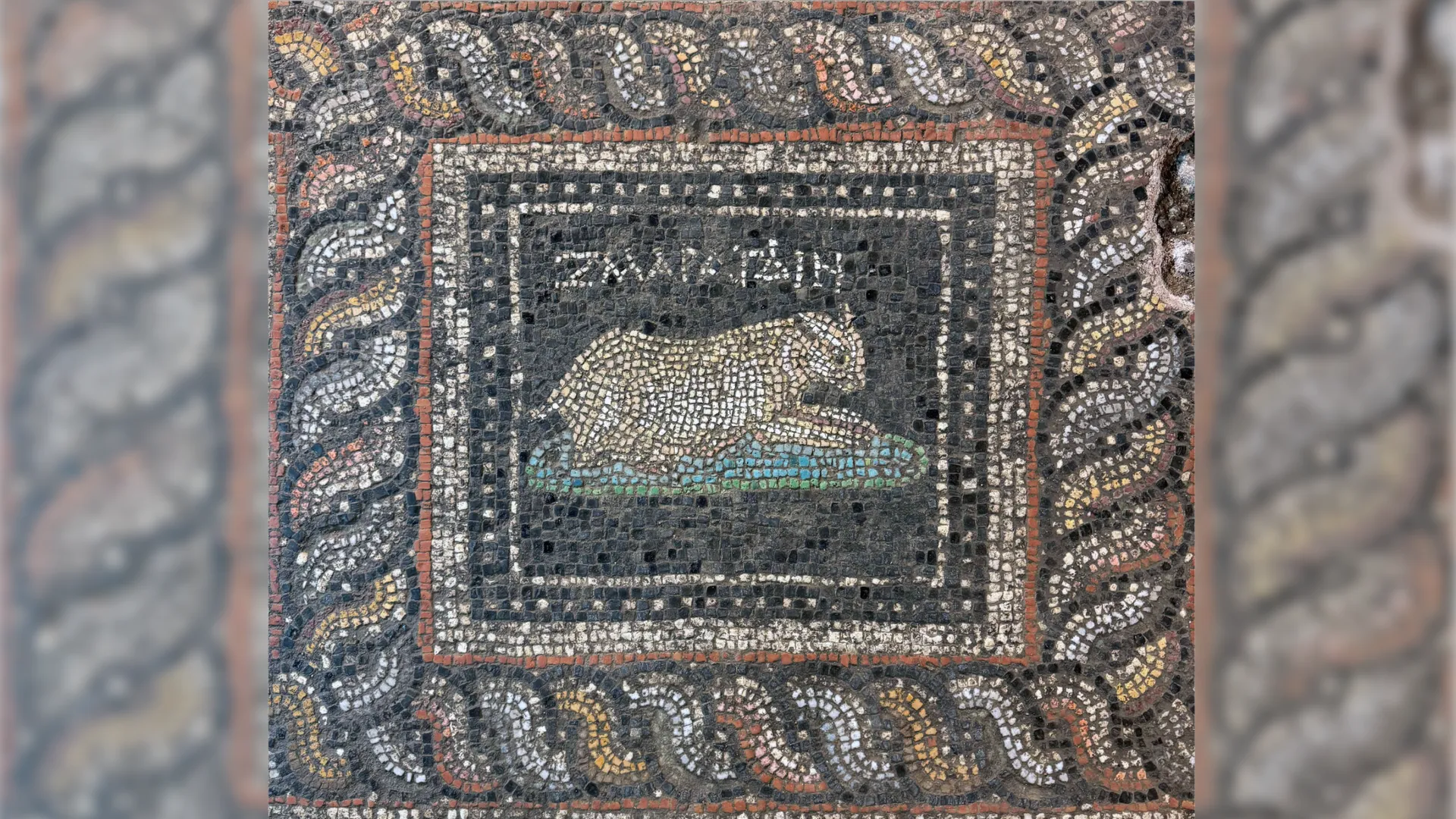
Who knew that pet portraits had an ancient history? In LiveScience, reporter and bioarchaeologist Kristina Killgrove reports on a colorful Roman villa in Adramytteion (Turkey) where archaeologists discovered some stunning possible commemorations to the owner's pets. Dating to between 100-299 CE, one mosaic commemorates a cat named ΖΜΑΡΑΓΔΙΝ ("little emerald") sitting on a cushion, while another had a dog named Ocean. On a side note, I (Sarah here) want to say that although Ἄργος is a brilliant name for a dog, I love that Abraham Lincoln popularized a more Latin-based, trustworthy name for a pup: Fido.
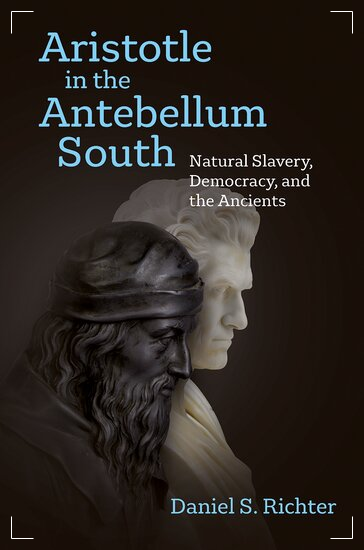
Ancient Historian Daniel S. Richter has a new book coming out in early October on Aristotle in the Antebellum South. As friend of PI Javal Coleman noted to us, this analysis of why antebellum Southerners latching on to Aristotle pairs well with Emily Greenwood's important article on “Reconstructing Classical Philology: Reading Aristotle Politics 1.4 After Toni Morrison."
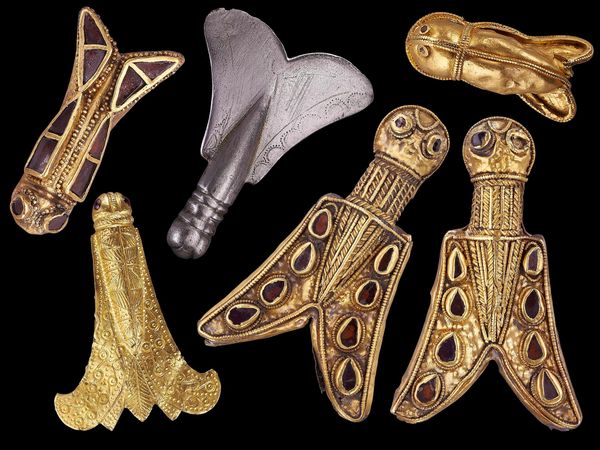
At the London Review of Books podcast, Michael Kulikowski discusses Roman Scandinavia and those wily polar bears. Then, at the New Books Network, Miranda Melcher speaks to Travis Bruce about his new book, Constructing the Medieval Maritime State: Identity, Violence, and Connection in the Mediterranean. As Melcher notes, "The rise and evolution of the taifa of Denia is a powerful case study for understanding the construction of medieval maritime states in the Mediterranean" and the collapse of the Umayyad Caliphate. The latest episode of You're Dead to Me is also a banger. Greg Jenner brings together historian of late antiquity Lucy Grig and comedian (and Etonian classics lover) Ivo Graham to chat about Constantine and Christianity.


Over at papyrologist Roberta Mazza's Faces & Voices, she discusses another upsetting papyrus sale—albeit a legal one. INLIBRIS of Vienna is selling an assortment of papyri, pieces of parchment, and wooden tablets. Mazza focuses in on two papyri, a petition concerning the accidental death of an enslaved boy (P.Oxy. 3 475) and a signed letter from a Christian woman in Roman Egypt (fl. ca. 350 CE) P.Oxy. 14 1774. At Oxyrhynchus, Grenfell and Hunt excavated the papyri, which were then exported under the rules of partage. It may be legal to sell these artifacts—but is it ethical? We also wanted to give kudos to Matthijs Wibier, who recently translated a fragmented Latin legal parchment "from a small compilation of imperial laws from the later fourth century that was distributed for official use by tax officials or for private use by landowners or their attorneys." What a cool window into laws in the time of Constantius II or Julian the Apostate.
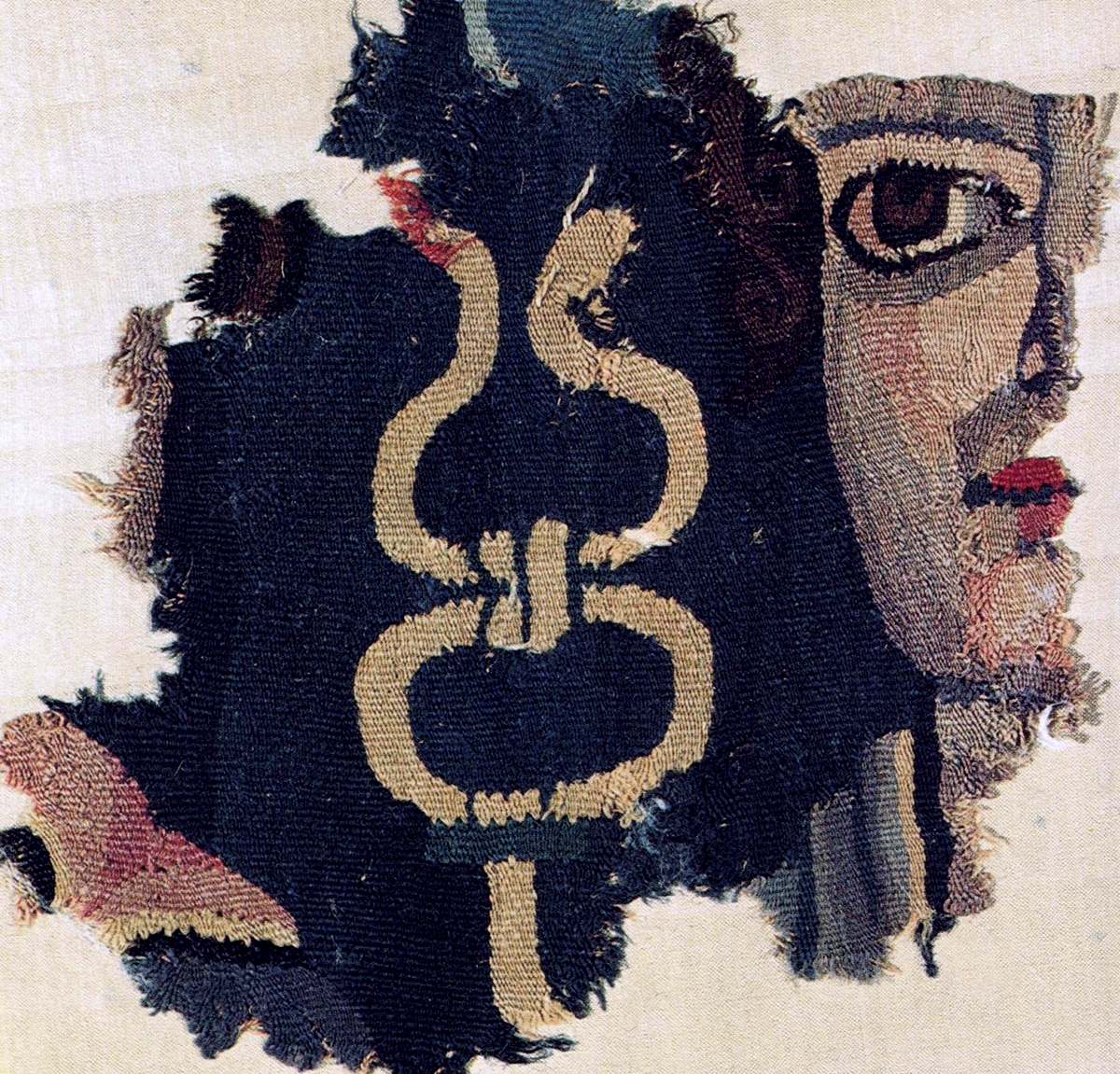
A woolen textile decorated with a caduceus and the face of Hermes was excavated in 1914 at the Silk Road site of Loulan in what is now Xinjiang. Peter Stewart, Director of the Classical Art Research Centre at Oxford University, has recently reexamined this extraordinary, yet understudied find, making a strong case for its origin in the Roman Empire in the 1st or 2nd Century C.E. Read more about Stewart's findings and their implications in his guest post on Peter Frankopan's Global Threads Newsletter.
In Brazil, construction workers discovered a gigantic new dinosaur, a Dasosaurus tocantinensis, while working on a rail terminal under construction in Davinópolis. Its closest known ancestor? From Spain. Our hearts (and pints) remain with our beloved Sue, but Daso seems pretty cool too.

Historians and chandlers JD and Kate have a new candle commemorating the Bronze Age Collapse. I didn't know I needed to see the port city of Ugarit (in modern Syria) in wax, but I did. 🕯️
 JD and Kate Industries
In a statement on Tuesday, historian and Smithsonian Secretary Lonnie Bunch III resigned after 38 years of service to the museum. Although Bunch noted in comments to his staffers that the decision had nothing to do with the pressure from the Trump administration, there had been increased scrutiny from the President since July 4, 2026. As Politico notes, it is part of a pattern of Trump targeting museums and monuments that address slavery and the long history of racism in America.
On July 4, the nation’s 250th birthday, the White House released a 162-page report titled “Saving America’s Story” that accused museum leadership of “extreme political activism” and history erasure. Later in the month, President Donald Trump signed an executive order requiring signs to be installed outside the Smithsonian’s National Museum of American History to warn visitors about “inaccurate information” presented in the museum.
Dr. Bunch is currently the President Elect of the American Historical Association (AHA) and was the founding director of the National Museum of African American History and Culture. Below is an interview from 2020 where Bunch discusses why history should be—and remain—"unvarnished." As Bunch remarked then: "The museum has become a pilgrimage site, a site of resistance, a site of remembering what America could be and a site to engage new generations."
New Ancient World Journals by @yaleclassicslib.bsky.social
Anatolian Studies Vol. 76 (2026) NB Mehmet Alkan, et al. "The divine Mount Koeros: A new nomos inscription of Antiochus I of Commagene"
Espacio Tiempo y Forma. Serie II, Historia Antigua No. 39 (2026) #openaccess
Historikà Vol. 15 (2025) #openaccess
International Journal of the Classical Tradition Vol. 33, No. 3 (2026)
Journal of Late Antique, Islamic and Byzantine Studies Vol. 5, No. 2 (2026) How Rebellion Ends. Conflict Resolution in Late Antique and Early Islamicate Political Culture (Part I)
Rhetorica Vol. 44, No. 3 (2026)
Studies in Late Antiquity Vol. 10, No. 3 (2026)
Synthesis Vol. 33 , No. 2 (2026) #openaccess Sobre el arte griego antiguo: acciones, pasiones y lenguaje
Archiv für Geschichte der Philosophie Vol. 108, No. 3 (2026) #openaccess
Dao Vol. 25, No. 3 (2026)
Gnosis Vol. 11, No. 2 (2026) The Manichaean, Jewish, Christian, and Islamic Contexts of Syro-Mesopotamian Gnosis: In Honor of John C. Reeves at 70
Journal for the Study of the New Testament Vol. 49, No. 1 (2026)
Journal of Early Christian Studies Vol. 34, No. 3 (2026)
Journal of Greco-Roman Christianity and Judaism Vol. 22 (2026) #openaccess
Post Augustum Vol. 10 (2026) #openaccess The World of Apocryphal Texts
Archaeology in Jordan Vol. 5: 2024–2025 (2026) #openaccess
Journal of the American Society for Premodern Asia Vol. 146, No. 3 (2026)
TECUM. Testi e Culture del Medioevo Vol. 1, No. 1 (2026) #openaccess
Comparative Oriental Manuscript Studies Bulletin Vol. 12, No. 1 (2026) #openaccess
Digital Scholarship in the Humanities Vol. 41, No. 3 (2026) Thematic section on premodern digital ecologies
Workshops, Exhibitions, and Lectures
From Friday, September 11 – Sat, September 12, 2026, you can attend "Social History and Epigraphic Evidence," an epigraphy conference hosted by The Ohio State University Center for Epigraphical and Palaeographical Studies. This event is open to the public. There is also a webinar for participants to join virtually. For the webinar registration link, click here.
Can't get to Paris? You can view From the Louvre: Masterpieces of Islamic Art at the National Museum of Asian Art in Washington, DC. The exhibition runs from September 26, 2026, to January 18, 2027. The exhibition is co-curated by Souraya Noujaim and Simon Rettig.
At the Medieval Academy of America (MAA), they have an online workshop on "The Future of Translation Work for Teaching and Scholarship" on Tuesday, October 6, 2026 from 2:30-3:30pm EDT with panelists: Anna Siebach-Larson, Daniel Donoghue, and Albrecht Diem. "The advent of AI and open access publication has also brought new opportunities and challenges for translators and editors. Given this, how can we support the vital work of translators and help scholars articulate the value of translation as they navigate the job market, tenure and promotion, and funding opportunities?" Click here to register!
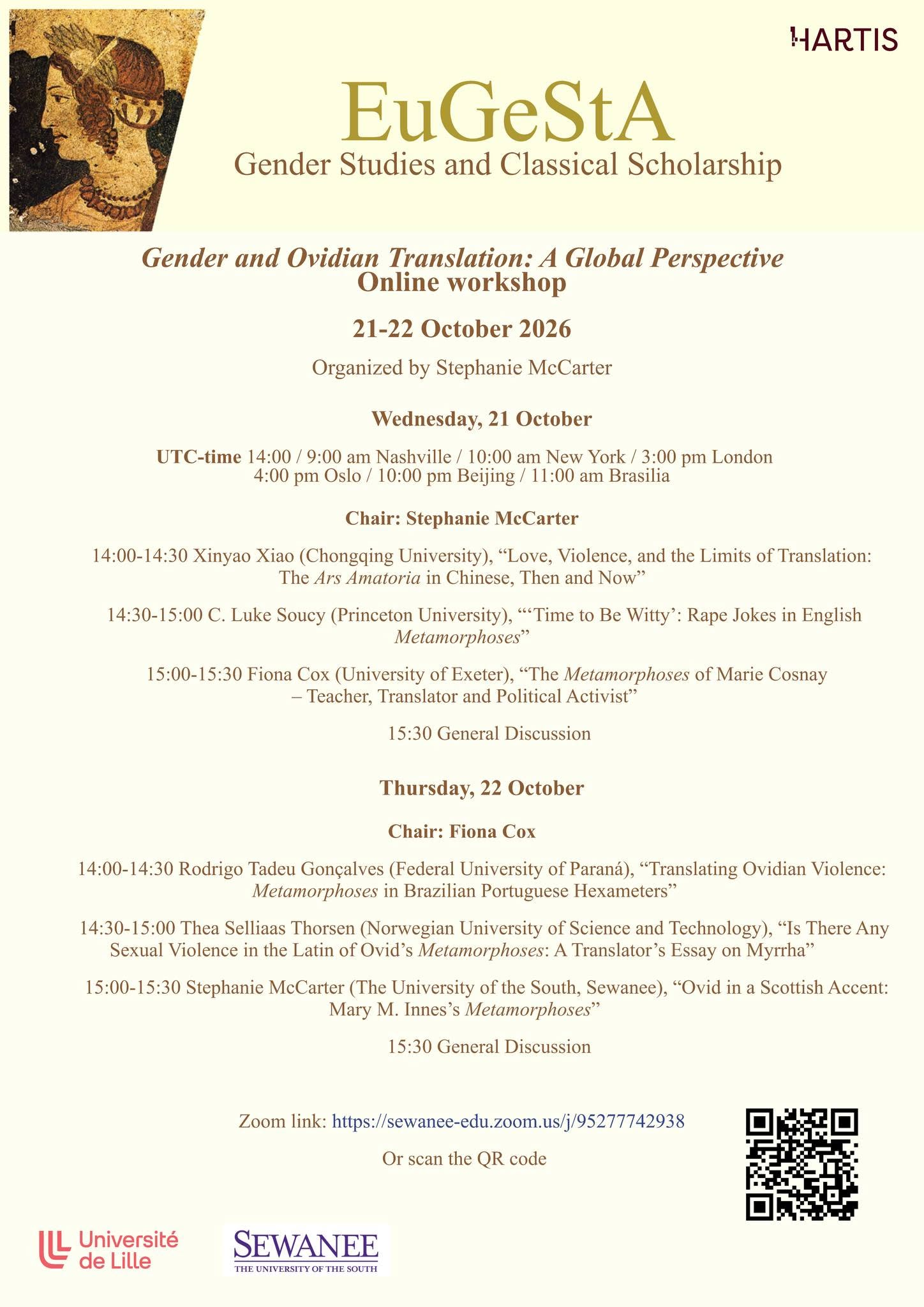
From October 21-22, 2026, the EuGeStA Gender Studies and Classical Scholarship conference will run. It is on Gender and Ovidian Translation: A global Perspective - organized by Stephanie McCarter. The QR code to scan for direct access to the Zoom meeting is on the poster below.