Pasts Imperfect (11.19.26)
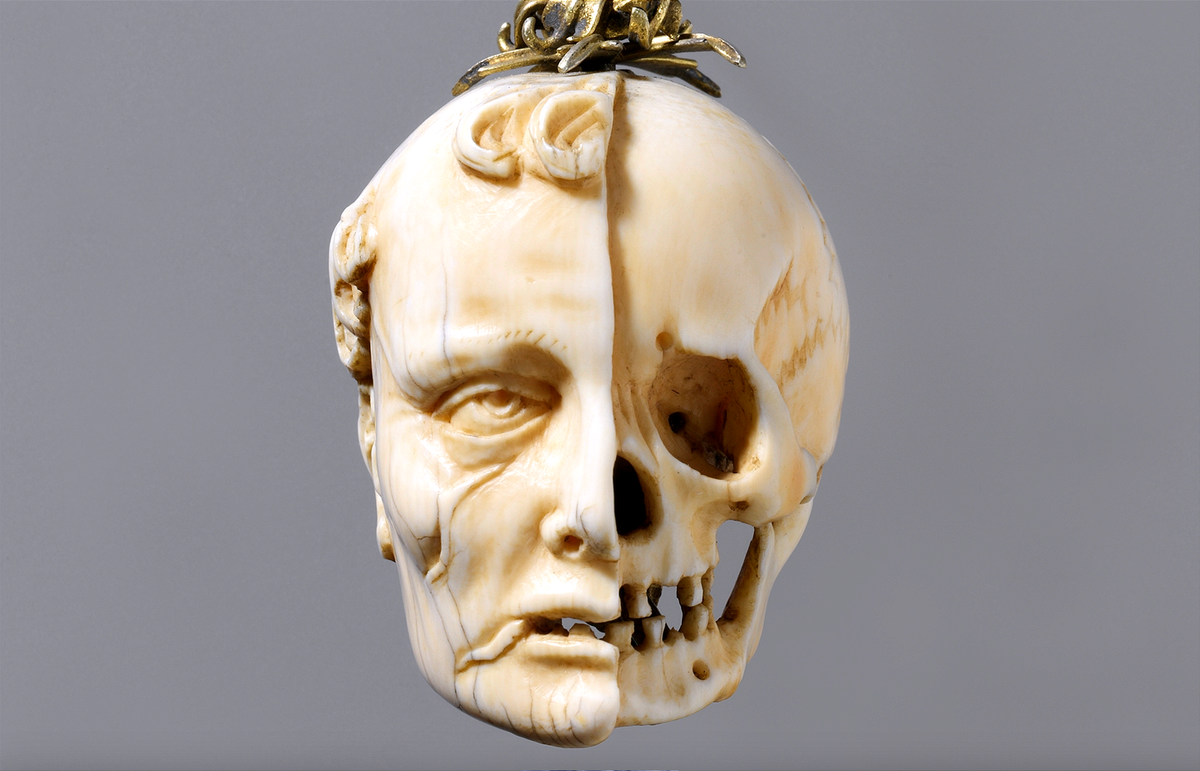
This week, medievalist and historian of disease Monica Green discusses the intersection of paleosciences and history and addresses the current state of plague studies. Then, a new book explores Nomads in Ancient Egypt and Nubia while another examines ancient apocalypses that may or may not explain recent cyber outages, an interactive map visualizes the attendees of the Council of Chalcedon in 451 CE, a digital project peers through medieval glass, evidence for ancient cannabis use in Siberia, a new exhibition on "Hartapu: The Forgotten King of Anatolia," hybrid events examining premodern climate crises in the Eurasian context, new ancient world journals, and more. Let's get to it.
“Have the ‘Two Cultures’ Become One? Pre-Modern Disease and Environments at the Intersection of Science and History”
By Monica H. Green, Independent Scholar, monica.h.green@gmail.com
Rather than simply announcing new findings today, I want to pull back the curtain on this moment where the humanist discipline of History is arriving at an already predicted intersection—maybe even a fusion—with the paleosciences. A recent, quite wonderful essay by Mateusz Fafinski and colleagues addressed this point of fusion in the context of the Fall of Rome. Here, I take a more particular angle, focusing on infectious diseases and the environment. But the common issues are just as important: Do the sciences produce a “harder truth” than traditional historical methods? How well has this science-history conjunction been working thus far?
“Historians mess with science at their peril”: Universalizing Claims vs Historical Specificity
The paleosciences have matured remarkably in the past three decades, but perhaps too few explanations have been directed to historians to explain what’s been going on in these fast-paced fields. In the 1950s, the idea was famously floated by the British chemist and novelist, C. P. Snow, that post-war societies had become divided into “two cultures,” with humanists so uncomprehending of basic science that they could not effectively summarize the basic principles of, say, physics. Some would say we still live in two cultures: different libraries, different deans, different journals, and (importantly) different funding structures.
Although there have long been historicizing sciences—paleontology and geology jump to the top of the list—many aspects of biology and physics look at the physical world as a steady state. It’s one of the reasons we speak of “the laws of Nature.” Universal claims are not dependent on when and where they are made; they are outside of time and therefore outside of history. And such claims are, broadly speaking, the foundation of the sciences. Prefacing a claim by “Scientists say …” invokes a certainty that few other fields can command. And that was the implicit scolding intended by the historian who warned: “historians mess with science at their peril.”
But is there really “peril” in “messing” with science? As a historian of science, I argue that it is our obligation to do so, precisely because we must assess the validity of any data we are admitting as evidence in our historical work. We must understand where evidence ends and argument begins, where claims have evidentiary support and where they can only be made by leaning out over the edge of solid ground into inference and conjecture.
The Best Evidence We Have: The Case of Plague
Readers of Pasts Imperfect are already aware of controversies, old and new, in the field of plague studies, especially as they relate to the late antique pandemic, the Justinianic Plague (JP). The field has moved on, finding other ways to document the impact of the pandemic beyond thinking that numbers alone are meaningful. Rather, the biggest on-going debates for both the First (JP) and the Second (Black Death) plague pandemics focus on the timing and directionality of the pathogen’s movements.
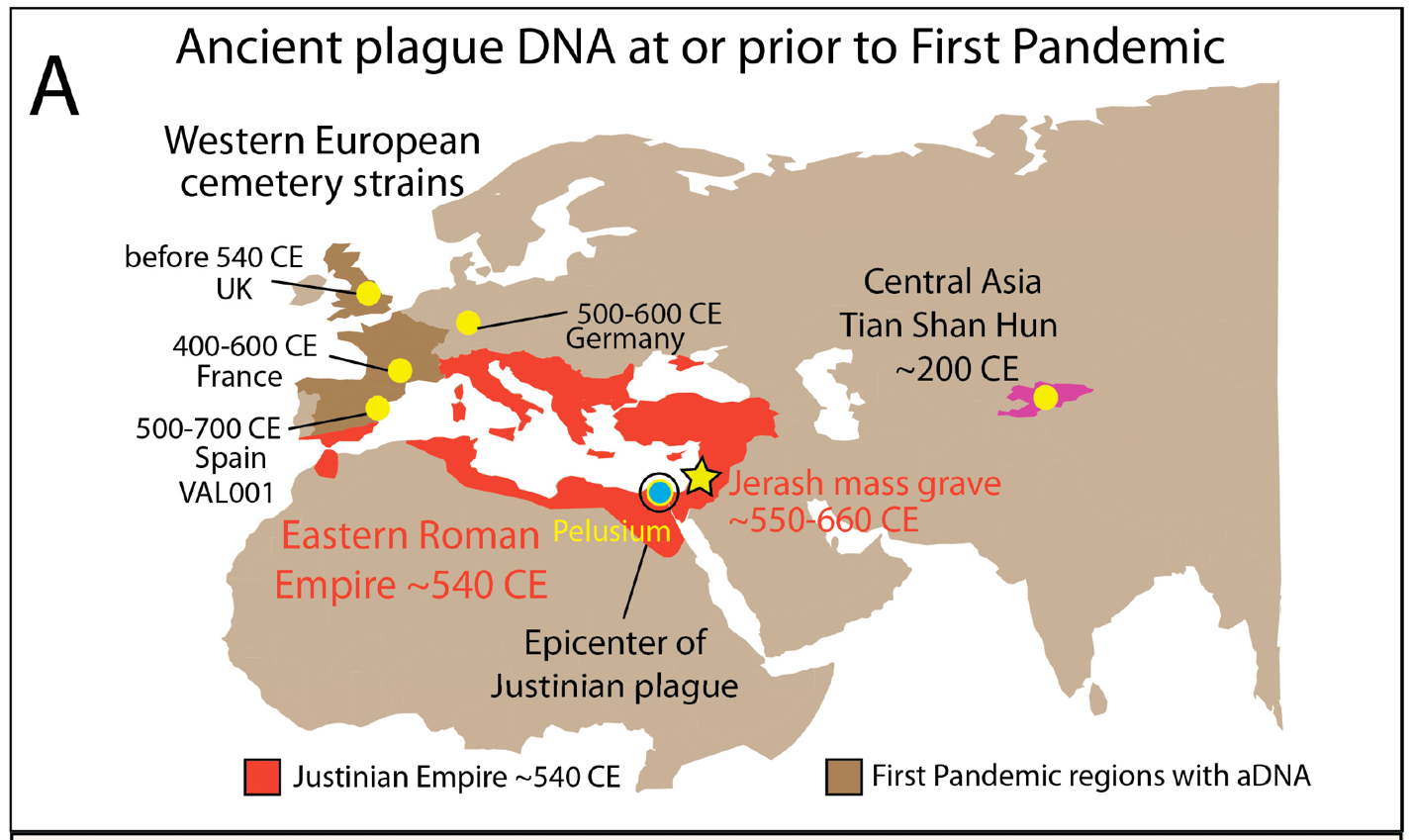
Paleogenetics has its own universalizing claims. It evolved as a field with essentially no chronological limits, and is now regularly retrieving aDNA of great antiquity, reaching back to Homo erectus. For plague, it has now been demonstrated many times over that Yersinia pestis is a disease of likely Eurasian origin, dating back at least 7000 years. It is also a disease more of landscapes than of specific hosts. Once distributed into new environments, concatenating forces can amplify zoonotic conditions, leading to repeated spillovers into human populations. For both pandemics of the premodern Common Era, it is now recognized that major volcanic eruptions produced climate-forcing global cooling just before the worst periods of human mortality. The chronologies for each pandemic, found in every history textbook, can be tied to precisely dated eruptions in 536 and 540 (for the First Pandemic) and 1345 (for the Second).
But those volcanoes only get us to proximate causes. In each case, a “perfect storm” of environmental circumstances was needed to produce catastrophic plague outbreaks. The strains of Yersinia pestis involved in each Mediterranean-centered pandemic (we know now) originated in Central Asia. When, by what routes, and how did a single-celled organism travel 1000s of kilometers to reach western Eurasia and North Africa?
Historians of medicine have taken the lead in arguing that the sheer biological complexity of plague ecology demands that we posit (even if we cannot yet fully document) prodromal periods leading up to full-blown epidemics in human societies. Traditional narratives and chronologies—precisely because they only document human experiences of plague—do not (and really cannot) capture the full reality of this zoonotic disease.
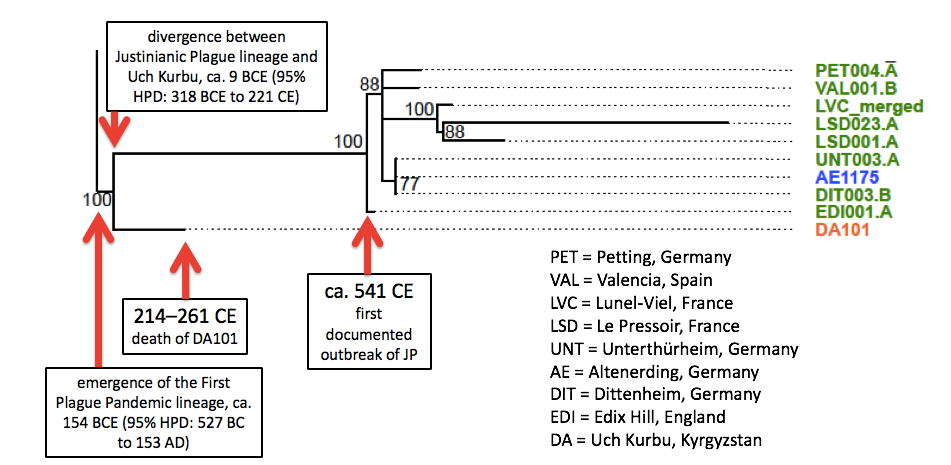
A longer chronology for the First Plague Pandemic was already proposed in 2019. Although resisted for some time, it has now been more widely acknowledged, though not yet adequately explained. For the Second Pandemic, a longer chronology was first substantively proposed in 2020, but has been more fiercely resisted, even by those who have conceded the issue for Late Antiquity. Recently, a formula for “correcting” anomalously early radiocarbon dates for Second Pandemic genomes has been proposed to keep intact the inherited narrative of plague’s sudden arrival in Europe in 1348. This “right-shifting” has set up a potential clash between different scientific methods: those of radiocarbon assays (grounded in physics), phylogenetic reconstructions of genetic data (grounded in evolutionary biology), and traditional methods of archaeology.
Something’s gotta give. Indeed, the dam may already be giving way, not simply because of newly revealed evidence about Europe’s pre-Black Death experience with plague, but also because identification of a tracer plasmid (a little genomic fragment) found almost universally in Second Pandemic strains, including a sample from the northern slopes of the Caucasus, shows how a focus on dating might well transform our understanding of the pandemic.
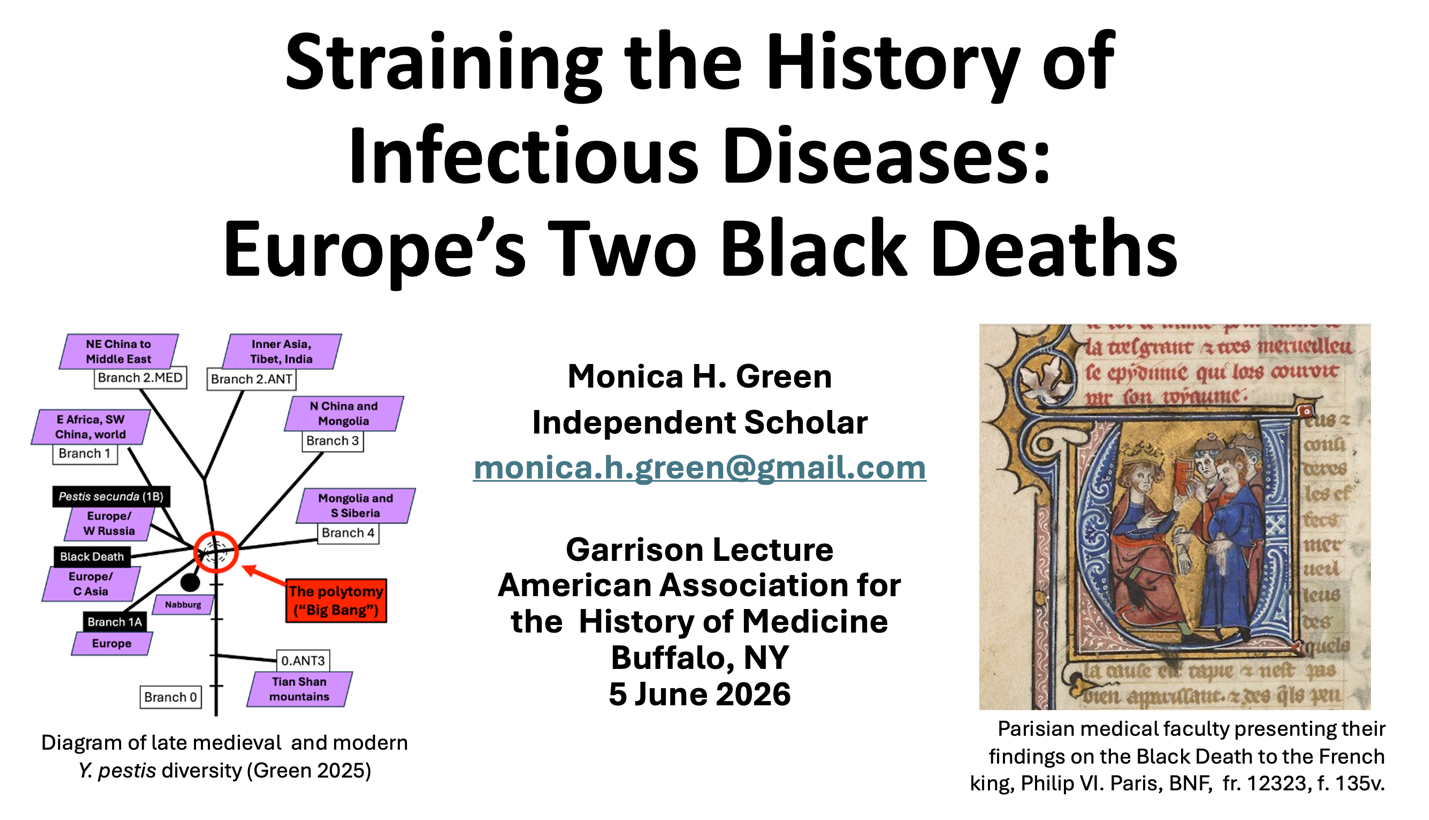
It is surely not coincidental that dating questions about both the late antique and the late medieval pandemics have arisen as focus shifts to both Islamic and Asian societies, whose experiences of plague have figured hardly at all even in the most recent spate of work. In 2022, historian of medicine Nahyan Fancy produced the first interrogation of early Islamic medical concepts of plague in almost 40 years, and in 2025, together with Mohamed Omar, he finally unmasked how misunderstandings of Ibn al-Wardī’s (d. 1349) narrative of the Black Death created the belief that the pandemic had traversed the whole of Asia in as little as fifteen years. William McGrath’s forthcoming book on plague in 13th and 14th century Tibet is likely to shift conceptions of how plague moves across landscapes even further, as will work on Song era China by Robert Hymes and colleagues that retrieves the historical testimony of physicians on the front lines of dealing with epidemic threats.
The real test of scientific “universalist” claims would be to compare samples from different places. But the cultural practices and public investments in archaeology (the source of all aDNA) are not universal, nor is the wealth and context of peace needed to pursue excavations and curate the remains and artifacts retrieved. The Eurocentric bias of pathogen research can be seen in this map of Y. pestis aDNA genomes from the Second Plague Pandemic. The most recent study, which was issued in preprint in October 2026, added another 110 genomes to the collective pool, yielding a total of 274 Second Pandemic genomes. Yet all but thirteen of them are from Europe.
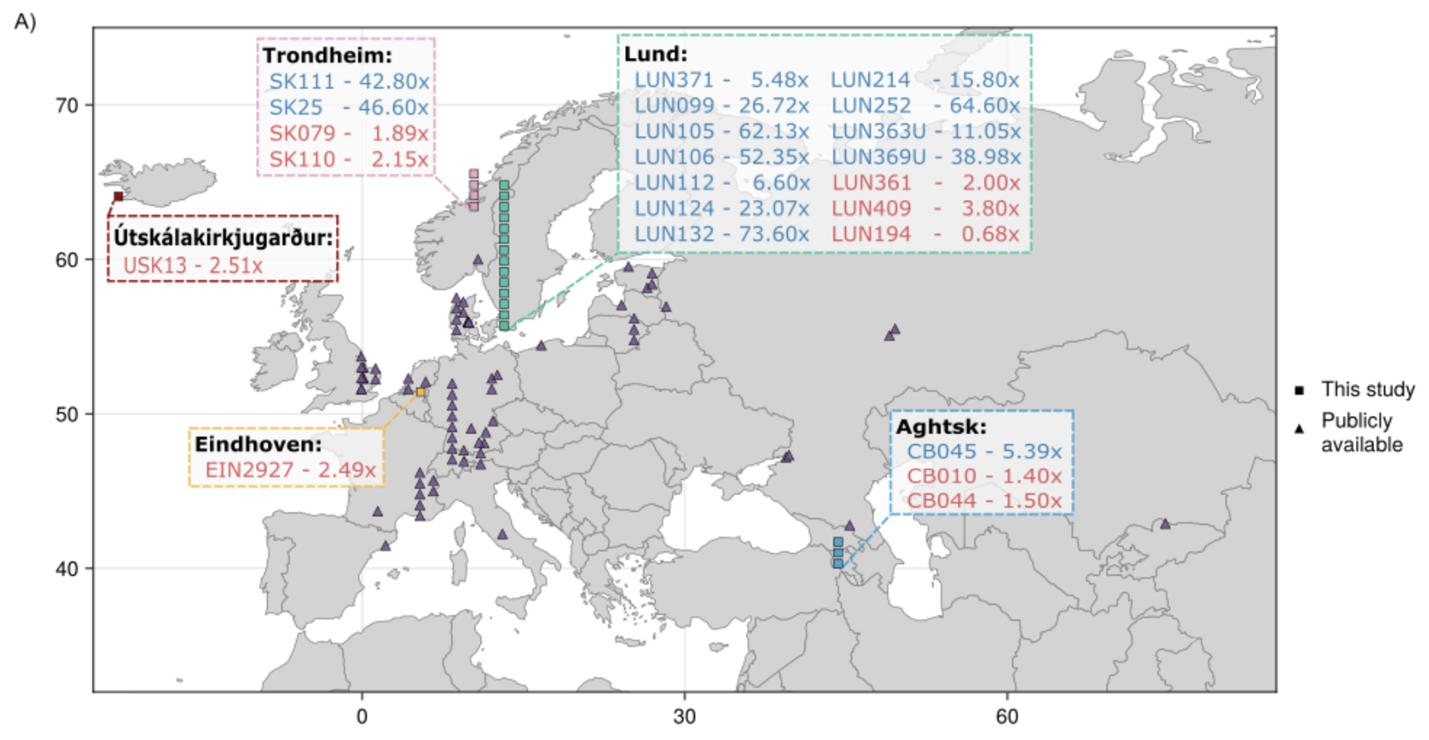
The expanded narratives of the First and Second Plague Pandemics could not have been conceived if historians had simply deferred to the initial scientific pronouncements about the timing or location of either pandemic’s “arc.” Dating is the sine qua non of all we do as historians. A call has recently been made that in studies claiming interdisciplinarity, the “Methods” section also include a description of the historical methods being used. Too often, we neglect clearly articulating exactly what we do. That is the greater peril.
Regularized and respectful dialogue (modeled, for example, by this recent open review process), curated bibliographies, and essay reviews are therefore vital. And all these contribute as entry points for teaching interdisciplinary approaches to the histories of disease and environments.
A talk by Monica H. Green from 2022 comparing Muslim and Christian experiences of plague in the Mediterranean context.
Public Humanities and a Global Antiquity
From November 5, 2026 until December 4, 2026, Cambridge Elements' new micrograph, Nomads in Ancient Egypt and Nubia, by Julien Cooper, will be free to read. As the abstract notes, "Nomads were a frequent fixture in the ancient landscapes of Northeast Africa and the Nile basin. Maligned by ancient riverine cultures and ignored by many historians, the nomads of ancient Egypt and Nubia comprise diverse groups of people for whom the desert was their home and herding was a way of life. This Element traces the lives of different ancient nomadic groups across Egypt and Sudan, from the Medjay to the Libyans, from Blemmyes to Saracens." It is a fascinating look at nomadism as a social unit.
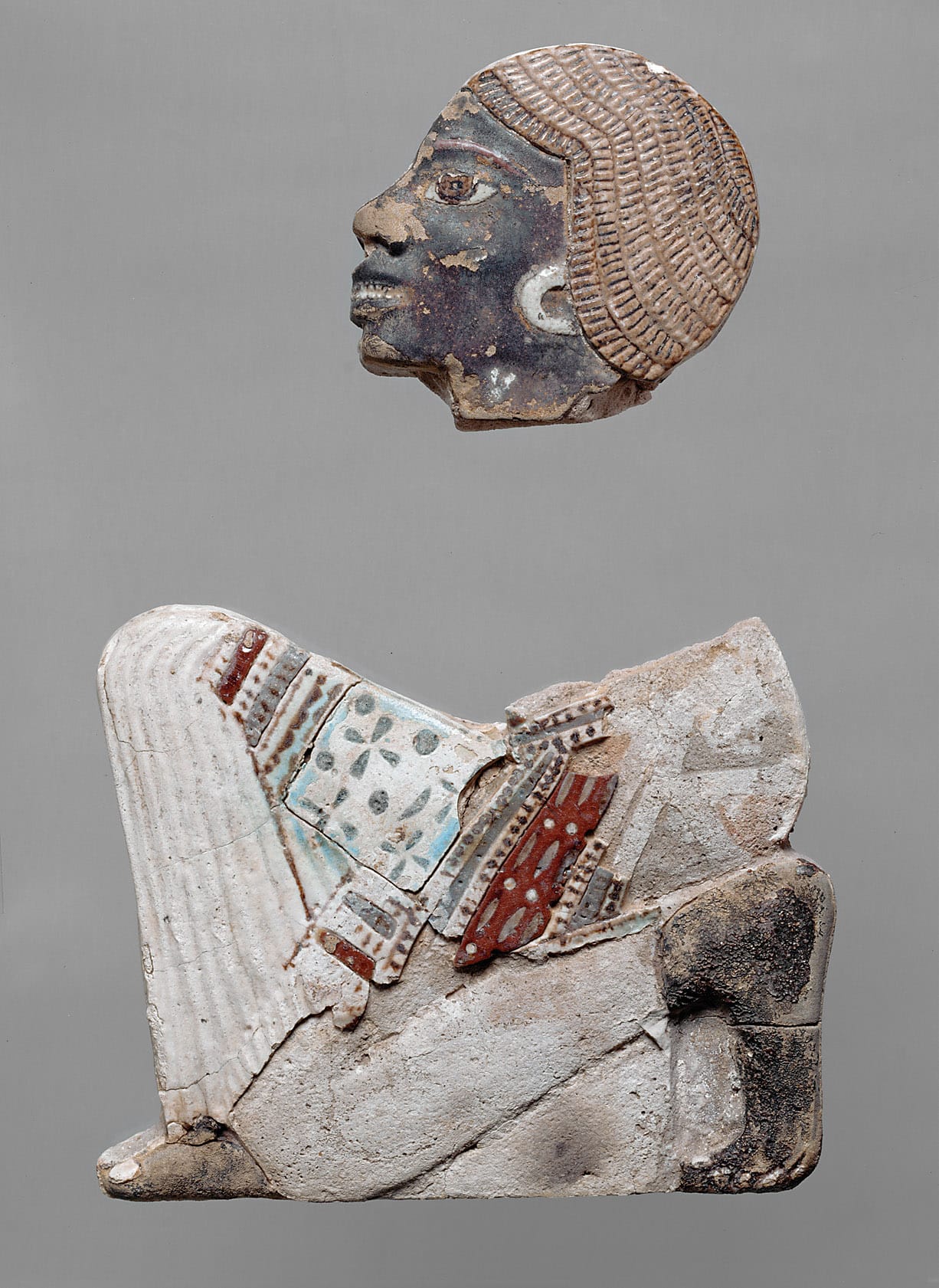
In new book news, Daniel C. Smith has a newly published monograph on An Exotic Apocalypse: Revelation and the Appropriation of Judaism in the Roman Empire. As Smith notes, "The book of Revelation has long fascinated readers with its strange symbols, dramatic visions, and apocalyptic warnings. Yet debates about whether it is fundamentally a Christian or Jewish text obscure the political world that gave rise to it. An Exotic Apocalypse offers a new way of understanding Revelation by situating it within the vibrant and experimental religious culture of Roman Asia Minor." Definitely pair Smith's book with Yii-Jan Lin's stellar Immigration and Apocalypse: How the Book of Revelation Shaped American Immigration. For those wanting to stay on top of scholarship on the Mongols and Eurasian history, Stefan Kamola at the Austrian Academy of Sciences has recently started the Mongol Eurasia Research Network, which has just posted a new essay, "Recent scholarship on the origins of the Black Death.
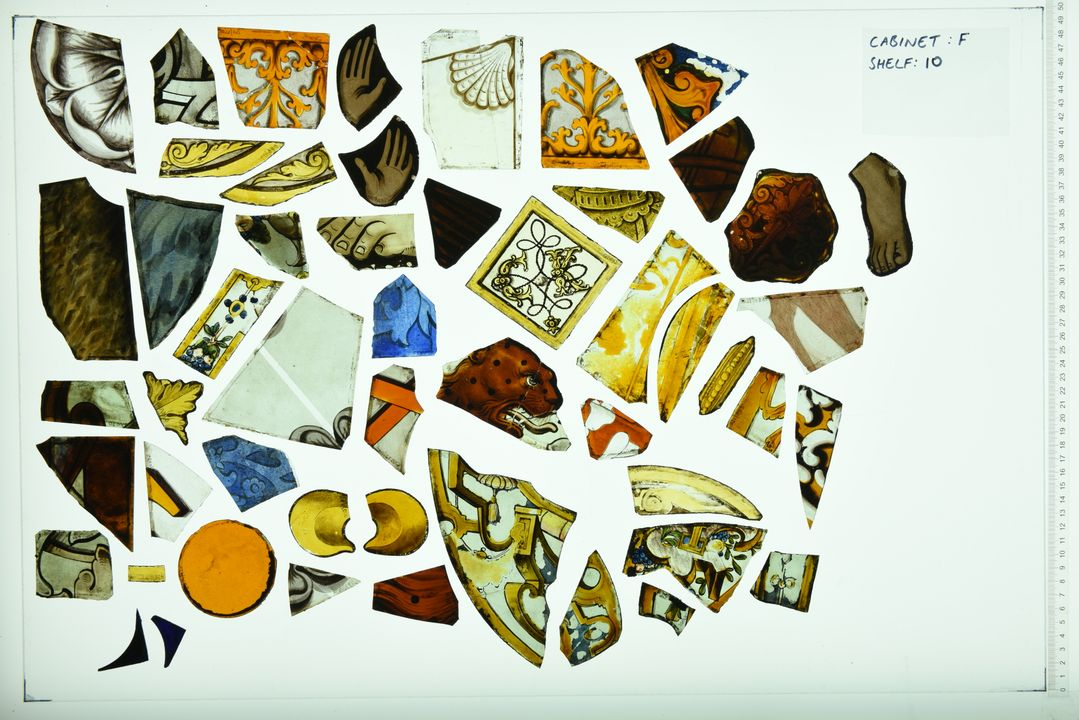
We do love medieval stained glass, and at the BBC, they report that a "collection of around 12,000 items of rare medieval glass, thought to have been made by one of the most important glaziers of the period, has been made viewable via a new app." The glass fragments come from Coventry's cathedral destroyed during WWII.
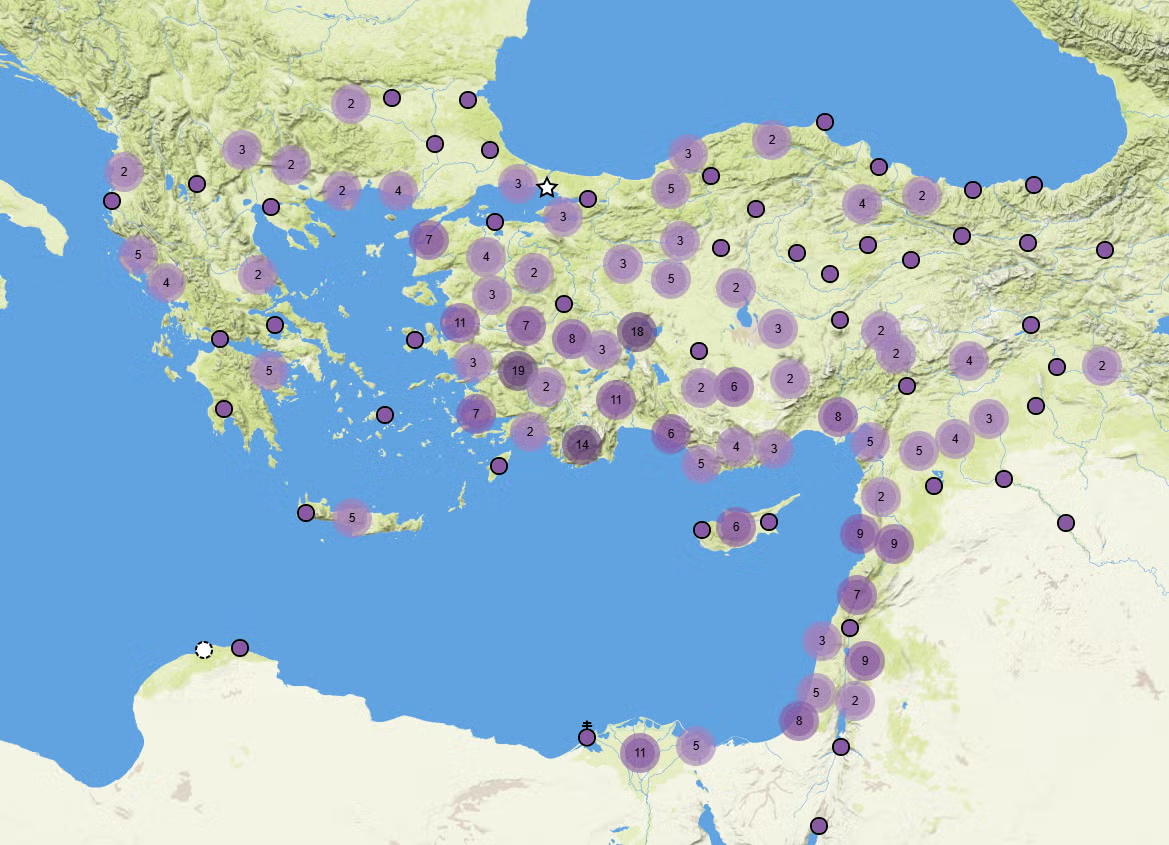
The Ancient World Mapping Center at UNC Chapel Hill has announced the release of a new interactive map of attendees at the Council of Chalcedon in 451 CE. These are the latest of the three AWMC maps focused on ecumenical councils, and they center hopes that "it will form a first step in a larger project on church leadership in late antiquity." One can only guess that Emperor Marcian and Empress Pulcheria are somewhere smiling. In other DH news, the new version 3.0 of the Latin Josephus Project, a freely accessible research resource, is now out. The project has "[t]exts, translations, and new tools for studying Josephus and his reception in the Latin Middle Ages."
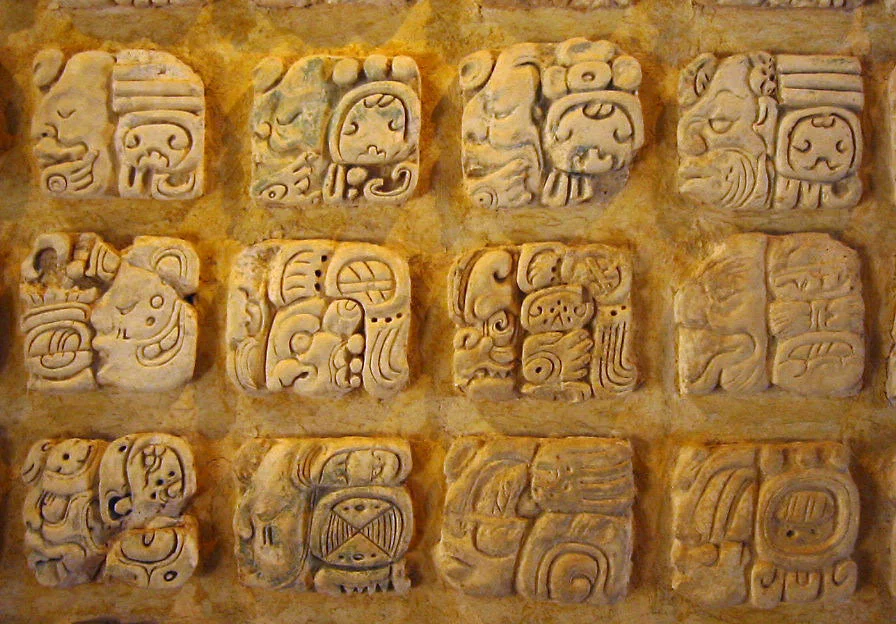
Because my (Sarah) favorite dating app has always been dendrochronology, I was stoked to see that a team led by Charlotte Pearson at the University of Arizona has, according to Archaeology magazine, "now used tree rings and volcanic evidence to narrow the choices" over when Babylon fell. The use of dendrochronology and ice cores suggest a date around 1587 BCE, "which adds weight to one side of a long-running debate." The results are out now in the Proceedings of the National Academy of Sciences. In addition, check out Mallory E. Matsumoto's new open access book on Religion, Writing, and the Shaping of the Classic Maya World. Find out more about the Classic Maya civilization (250–925 CE) in Mesoamerica and their innovative hieroglyphic script.
Oh, I (Stephanie) can just see the potheads grinning gleefully: archaeologists in southern Siberia have found evidence of psychoactive cannabis use in a Scythian settlement. If you are interested in more research on cannabis use in antiquity, check out our earlier issue on psychoactive substances in the Greco-Roman world and along the Silk Roads.
Herodotus 4.73.2–4.75.2, trans. T. H. M. Gellar-Goad
After completing burial rites, the Scythians cleanse themselves in the following way. They smear their heads with oil and wash them thoroughly, next set up for their body these three pieces of wood leaned against each other, then stretch around them felted wool mats, making them as airtight as they can. Then they throw rocks that are red-hot from the fire into the cavity in the middle of the wood and wool.
And in their lands, kánnabis grows, very similar to flax, except in its thickness and size: kánnabis is far superior in that respect. It grows in the wild and when planted. Thracians make clothes out of it that are very much like linen clothes. Only someone who is really experienced in kánnabis could tell whether the clothing is made of linen or kánnabis, while someone who has not seen kánnabis will just think it is made of linen.
So the Scythians take the seeds of this kánnabis and get up under the felted mats and then throw the seed onto the rocks that are red-hot from the fire. And when the seed is thrown on, it smokes up, and produces so much steam that no Greek vapor-bath could outdo. And the Scythians get howling levels of happy with their vapor-bath. They do this instead of bathing — because they altogether do not bathe their bodies with water.
New Ancient World Journals by @yaleclassicslib.bsky.social
Antichthon Vol. 59 (2025)
Anzeiger für die Altertumswissenschaft Vol. 79, No. 1 (2026) #openaccess
Arethusa Vol. 59, No. 3 (2026) #openaccess
Arion Vol. 34, No. 2 (2026
Auster No. 31 (2026) #openaccess
Cuadernos de Filología Clásica. Estudios Latinos Vol. 46 (2026) #openaccess
Deimos – Zeitschrift für Antike Militärgeschichte Vol. 2 (2026) #openaccess
Helios Vol. 52, No. 2 (2025) Ovid and the ‘Feminisms’
Hermes Vol. 154, No. 4 (2026)
History of Classical Scholarship Vol. 8 (2026) #openaccess NB Tim Rood "Francis Galton and William Bateson on Classical Athens: Eugenics, Genetics, and the Study of Ancient History"
Mélanges de l'École française de Rome Antiquité Vol. 138, No. 1 (2026) #openaccess Faire la lumière dans l’antre souterrain
Dao Vol. 25, No. 4 (2026)
History of Philosophy Quarterly Vol. 43, No. 2 (2026)
Philonsorbonne Vol. 20 (2026) #openaccess La connaissance sensible dans l’Antiquité
Proceedings of the Boston Area Colloquium in Ancient Philosophy Vol. 41, No. 1 (2026) NB Monte Ransom Johnson "Some οὐ μᾶλλον Variations in Democritus"
Journal of Early Christian Studies Vol. 34, No. 4 (2026)
Vulgata in Dialogue Vol. 10 (2026) #openaccess
Al-ʿUsur al-Wusta Vol. 34 (2026) #openaccess
ARWA Journal New Perspectives on Western & Central Asian Archaeology Vol. 1, No. 1 (2026) #openaccess
Bulletin of the American Society of Overseas Research Vol. 396 (2026)
Journal of Ancient Near Eastern Religions Vol. 26, No. 1 (2026)
Proceedings of the Seminar for Arabian Studies Vol. 55 (2026) Papers from the fifty-eighth meeting
Zeitschrift für Ägyptische Sprache und Altertumskunde Vol. 153, No. 2 (2026)
Antiquités africaines Vol. 62 (2026) #openaccess
Archäologischer Anzeiger 1. Halbband (2026) #openaccess
Chinese Archaeology Vol. 26, No. 1 (2026)
GROMA: Documenting Archaeology Vol. 10 (2025) Vol. 11 (2026) Archaeology of the Uplands
Les Nouvelles de l'archéologie No. 176 (2024) Le roi et le grain; No. 175 (2024) Archéologie pour, par et avec le public No. 174 (2023) Le suivi archéologique des chantiers de réseaux; No. 173 (2023) Archéologie du contenu; No. 172 (2023) Pour une archéologie de l'enfance #openaccess
Humanistica Digitale No. 25 (2026) #openaccess Inclusive DH
Journal of Cultural Analytics Vol. 11, No. 3 (2026)
Exhibitions, Workshops, and Lectures
On Wednesday, November 25, 2026 at 5:00pm GMT, historian and Gregory of Tours lover Lucy Grig will speak on "Kissing Saints in Late Antiquity" for UCD's Late Antique and Byzantine Seminar Series. Sign up for the zoom here.
"Hartapu: The Forgotten King of Anatolia" is on now at the University of Chicago's ISAC Museum. The special exhibition runs through March 14, 2027 and explores both Syro-Anatolian history and ancient Near Eastern kingdoms.
And finally, connected to Monica Green's essay this week on epidemics in history, there are two new books to announce and two upcoming meetings. Geoffrey Humble and Márton Vér have just published a volume of essays on Eurasian Responses to Chinggisid Crises: The Mongol Imperial Project and Its Contexts, one of whose themes is looking at crises before they become visible in our sources. On December 9, 2026 the Hokkaido Association for Central Eurasian Studies will be launching another book on the Mongol crises in an event that can be attended online. And two days later, on December 11, 2026, there is yet another hybrid event on premodern climate crises in the Eurasian context.