Pasts Imperfect (3.5.26)


Across the world—from the United States to Canada to Australia—departments and museums within higher education are closing. This week, ancient historian Geoffrey Greatrex discusses the suspension of the honors program in Greek and Roman studies at the University of Ottawa, Morag Kersel examines the closing of the DePaul Art Museum, Meira Kensky looks at the closing of religious studies departments, Shaily Patel addresses the closing of the Department of Religion and Culture at Virginia Tech, and Justin Vorhis looks at the proposed elimination of the Classics major at the University of Iowa. Our aim is awareness rather than despair about the world of higher education right now. We remain stronger together than apart.
Then, an open access book on mummy portraits, recognizing the damage to Ukraine's heritage sites, a newly discovered Arabic document may confirm the existence of the Nubian King Qashqash, recovering the psychedelic fungi likely used for the Eleusinian Mysteries, Singapore's "first ancient shipwreck" surfaces a lot of cool porcelain, a new open access book on Irish Migrations and Classical Antiquity, new ancient world journals, and much more. Let's get to it.
The suspension of admissions to Greek & Roman studies at the University of Ottawa by Geoffrey Greatrex, Dept. of Classics & Religious Studies, University of Ottawa
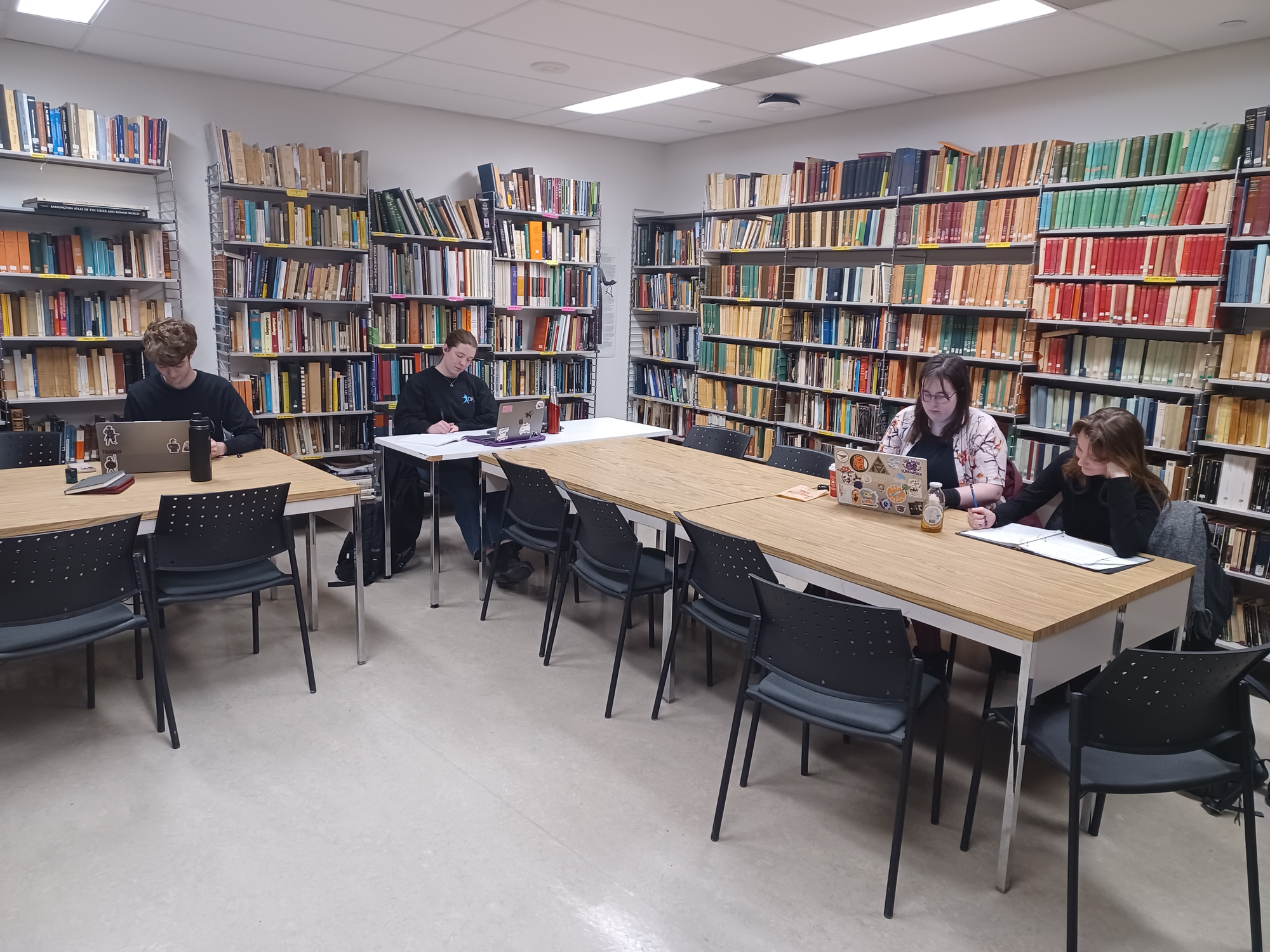
Admissions to the Honors program in Greek and Roman studies at the University of Ottawa were suspended, for the second time this year, on Friday 6 February. Students who had applied to enter the programme in autumn 2026, despite the earlier suspension in October-November, were swiftly instructed to seek another program. The administration claimed that the enrollments since the lifting of the initial suspension were insufficient: in fact, five English-speakers had applied for admission and one French-speaker. Given the earlier turmoil, and in particular the fact that the administration failed to contact those who had been turned away in the autumn (despite assurances that it would do so), the total was respectable and in-line with previous years. It should be noted that the university is now the only one in all of Ontario, Canada’s most populous province, to offer instruction in Latin and Greek in French; naturally several universities in Quebec also provide this, but none in the immediate vicinity of Ottawa.
There is a particular twist in the saga at Ottawa, even if the overall flow of events mirrors ongoing closures of Classics programs elsewhere in Canada and the world (often encouraged by the consultancy Nous, also employed by the university administration here). The university has a bilingual designation from the Province of Ontario, which imposes certain rules. Among these is one that bars the university from suspending programmes in French that have five or more students enrolled in any of the last three years; in our case, eight were admitted in autumn 2024, which means that this appears to constitute a breach of this law.
When our vigorous campaign against the initial suspension in autumn 2025 elicited letters to the Dean of the Faculty and the President of the university from countries from China to Brazil, from Tunisia to Iceland, and from the U.S. to Australia, not to mention an on-line petition that attracted over 4000 signatures in just a few weeks, we supposed that this played into the administration’s decision to reopen admissions. At the same time, however, we believed that it was mainly this law that gave them pause for thought. Now it seems that, probably immediately after the lifting of the suspension, the authorities went to seek a judicial ruling on the question. They claim to have an ‘avis juridique’ that backs their interpretation of the law, viz. that they can suspend admissions. Armed with this ruling (which they have declined to share), they reimposed the ban.
Part of the deal when the suspension was lifted was that the unit should restructure its program in order to attract more students. Within a week we sent off proposals to the dean, since, we were told, the matter was urgent. Yet in the interim, before the reimposition of the suspension, there was no reaction whatever from the Dean. Now he claims that the suspension is merely a pause: once the changes have been approved, the programme will take students once again in autumn 2027. He assures us that he will deploy a full campaign to publicise the new programme.
We shall attempt to collaborate in order to achieve this, but many faculty members are sceptical regarding the claim: such tactics have often been used in the past as a way of raising expectations and ensuring compliance, but in the end promises are not kept and programmes disappear. It remains to be seen whether the wider student community (current and former) as well as Franco-Ontarians more generally will be satisfied with the actions of the university, which likes to pride itself on its services to French-speaking Ontarians. It seems likely that some may want to seek a judicial ruling themselves and even to contest the decision in court, since, after all, it is likely that further programs may be suspended, should this suspension be allowed to stand.
Further information is here and on Bluesky.
The Closing of the DePaul Art Museum by Morag Kersel
Last month a student stopped me after class and asked if I had heard anything about the closing of the DePaul Art Museum [DPAM]. The rumor was confirmed this week in an email from DePaul University president Robert Manuel. In the message entitled “Reimagining the arts at DePaul University” President Rob, as he is known, announced “the difficult decision to stop operations in the DePaul Art Museum at the end of this academic year, effective June 30, 2026.” The message assured readers that there are “no plans to sell the museum building or leave it vacant” and that the University would “work with DPAM staff to make appropriate determinations about the permanent collection, following museum standards for best practices.”
In the blink of an eye, a vital university resource since 1985 is gone. The DPAM staff under the leadership of Laura-Caroline de Lara fought to avoid this outcome but to no avail. No discussion with the university community or faculty council, exhibits cancelled, grants returned, no room for creative thinking on how to keep DPAM open; the decision handed down from on high, in contravention of the Vincentian mission “dedicated to making education accessible to all, with special attention to including underserved and underrepresented communities.” In its exhibitions and programming, DPAM has been committed to “serving as a venue for showcasing underrepresented artists from Chicago and beyond.” Since starting at DePaul in 2010 I have discovered and exposed my students to the work of Nick Cave, Barbara Rossi, Tony Fitzpatrick, Whitney Bradshaw, Paul D’Amato, Dawoud Bey, the art of the incarcerated, the Stockyard Institute, the Young Lords in Chicago, and so much more. Much of what I know about the Chicago art scene I learned through DPAM.
University museums serve as essential academic and cultural centers, designed to support teaching and research through their collections. They act as loci of learning offering hands-on pedagogical experiences, fostering interdisciplinary study, and engaging the public with scholarly, often experimental, exhibitions. DPAM is all of those things and more. In January, ANT 378 Museum Education spent 90 minutes with Phoebe Collins (DePaul alum and the DPAM collections manager) in an object-based learning exercise. For some of the 28 students it was not only their first visit to DPAM, it was their first visit to a museum. For others, aspiring museum professionals, DPAM was their “place”, acting as desk attendants, docents, and scholarship awardees. For all of ANT 378 and the students in my many other classes, DPAM provides a place to be challenged, to learn, and to experience art, culture, and museum practice. Museums can be alienating and foreign spaces where not all feel welcome; DPAM defied this perception, providing access and inspiration for all students. In her DePaulia opinion piece Jessica Saunders, a senior in advertising and museum studies, stated that she felt let down by the university's decision. I am not sure what we will all do without DPAM – its people and its collections.
Higher education is under assault and as we witness the subsequent closure of other college and university art spaces there is a troubling lack of commitment to diversifying campus culture, to encouraging dialogue, and a stifling of imagination and creativity. The DePaul announcement highlights the integral role DPAM has played in the university and in Chicago “Since its opening in 2011, DPAM has featured the works of more than 600 Chicagoans and underrepresented artists. It also helped foster an interdisciplinary learning environment for DePaul students and served as a cultural hub for community gatherings.” If DPAM is fulfilling the Vincentian Mission and plays such an integral role in the university, why is it closing?
In a Facebook post, my colleague Matthew Girson suggests, “as a tuition-driven institution DePaul relies on full-tuition paying foreign students who aren't risking a move to this country while the White House and its allies are so strongly anti-immigrant. Many domestic students rely heavily on federal loans which are drying up thanks in part to the anti-intellectualism espoused by the political right.” This perfect storm of financial troubles and short-sightedness has resulted in an incalculable loss for DePaul students, staff, and for the city of Chicago.
For years I have taught a sample class in the DePaul University Open Days. It is an opportunity for accepted but not yet committed students to experience a day on campus. In response to the DPAM closure announcement I sent the following email to the deans: “I must cancel my participation in the April Open Day. I cannot, in good conscience, make the case for students to attend DePaul when the institution cares so little about the arts and students’ well-being that they would close the DePaul Art Museum.” While I won’t be on campus for the Open Day in April, I will be at the March 5 opening reception of the final DPAM exhibits Alice Tippit: Rose Obsolete and Barbara Nessim: My Compass is the Line, curated by Ionit Behar. The closure of DPAM makes me sad for the DPAM staff, for the underrepresented art community who found a supportive venue, but mostly I am sad for the students of DePaul, and the dwindling resources offered by the university.
You can read more about this story at Hyperallergic.
The Closing of Religious Studies Departments by Meira Kensky
At the urging of my doctoral advisor, Hans-Josef Klauck (of blessed memory) at the University of Chicago, I went on the job market in the Fall of 2008, which I expect you remember was a very tumultuous financial season, culminating in a global recession that hit higher ed especially hard. The only people and institutions who were spared the worst of this were those that followed an investment strategy of the banking equivalent of hiding cash under the mattress. The financial crisis of 2008 set the stage for higher ed leaders to build initial momentum around program consolidation, which as all of you know, is code for cuts.
Looking at the thirteen biblical studies jobs I applied to 18 years ago, three of those programs no longer offer Majors in Religious Studies, and one has consolidated into a “Philosophy and Religious Studies” major. That is 1/3 of those positions. Several other programs, while still offering a major, have significantly fewer faculty listed on their websites, likely a combination of unforced and forced retirements, contract non-renewals, and position elimination. This small data set conforms with national trends. With the help of Russell McCutcheon and Richard Newton from the University of Alabama, I have identified 48 undergraduate-serving schools who have either cut, consolidated, or are in the process of cutting or consolidating their Religious Studies or Theology departments in the last five years. We do not have great data on this, because neither SBL nor AAR have kept comprehensive lists of programs and positions around the country, which means that we do not know what percentage that is of national offerings. On this list are not only liberal arts colleges of all kinds, but also R1 Universities and Catholic – even Jesuit!!- schools. No sector of higher ed is immune from these cuts and consolidations.
A few tips for the coming future. Here’s my first lesson: Just like with plastic straws: individual action, no matter how innovative, creative, disciplined, exhaustive, cannot solve systemic problems. The good work that is happening all over the country is not enough to make up for the economic, demographic, political, technological, and perceptual headwinds. Give yourself permission not to feel guilty or deficient if this happens to you. It is not your fault! If you need an exit ramp, build it. You are worth saving even if your department cannot be saved.
The second lesson? There are things you can do to safeguard biblical studies classes even if and when your department closes. The first thing you can do is take back the word “Bible.” Speak without jargon or pretension in course titles to note that, for instance, it is “Hebrew Bible/Old Testamant.” Many departments in our field have tried to run away from “The Bible.” This is the worst thing you can be doing. All this has done is ceded interpretive and practical authority over “The Bible” to evangelical Christians. Don’t run away from the most powerful language you have. Everyone knows or thinks they know what the Bible is. Most people understand that Bible is everywhere, all the time, exercising interpretive authority over decisionmakers. That knowledge is a strength and you should run with it. Third, weave Bible into the history of your own community. One of the only times I’ve seen a reactive campaign work was at Adrian College, whose alumni successfully prevented the closure of their Religion department in 2020 by forming the “Asa Mahan Squad” and plastering their community and the press with the school’s founding father, Asa Mahan, and their original college vision and purpose. Work with your archivist to figure out all of the ways the Bible is woven into the history of your institution and publicize the shit out of it.
The fourth and final thing I would say is Play the Long Game. Over and over again in my career, I have been discouraged from going into academic administration. You never know when you need a friendly Associate Dean to slip you a piece of critical information or advocate for your program in a meeting! You need your colleagues to be in the room when decisions are made! Would you rather have an AD from the Business major? Or a STEM faculty member who thinks humanities classes aren’t rigorous? No you do not! Nurture these passions. Get your people into high ranking positions where they can advocate for you and be a source of support in troubled times. If I had listened to my colleagues who told me not to go into administration, I would not have been able to get myself into the position where I designed a program that allowed me to hire twenty-six scholars with liberal arts PhDs or EdDs over a two year period.
Will it work? Maybe not.
Shuttering the Religion and Culture Department at Virginia Tech
by Shaily Patel
A week before classes started, I received an email from the Dean of Virginia Tech’s College of Liberal Arts and Human Sciences informing me that my department, Religion and Culture (RLCL) was being closed. Although the University has yet to make the closure official, my colleagues and I have already been reassigned to other departments. RLCL is now in the process of dismantling our majors in Religion and Culture and Humanities for Public Service. Our closure was announced as part of Virginia Tech’s 2024 Academic Resource Realignment initiative, which was explicitly designed to “make recommendations based on strategic value… rather than economic necessity.”
But how do administrations compute “strategic value”?
Six months later, I still cannot give a clear answer when colleagues at other institutions ask me, “But why would they close your department?” I have been asking myself the same. I expect I sound biased, but RLCL is of high strategic value – this, despite our small size of 15 full-time faculty. With respect to teaching alone, about a third of our faculty have won University-wide teaching awards. We were designated a University Exemplary Department for creating an exceptional teaching and learning environment. Our Humanities for Public Service major was profiled by the ACLS as an especially innovative program that marries intellectual rigor and career preparation – something I imagined to be of strategic value at a land-grant university serving students from Appalachia and surrounding regions. In fact, even the final report prepared by Virginia Tech’s Academic Resource Realignment Committee recognizes that RLCL is “well regarded nationally.”
It is not my intention here to merely lionize RLCL; we have problems, too. But I wanted to impart our commitment to students in order to contextualize a crucial lesson I’ve learned through this process: Excellence will not save us. By “us,” I mean humanities educators whose work is regularly devalued by the media, politicians, and by their own institutions. This means we must reassert our value in radically new ways.
The other lesson I learned is that we must keep doing this work, particularly because it is being devalued. Just this term, I’ve spoken with several students who chose their major because they felt pre-professional pressure. Their experiences align with broader educational trends. Naturally, I cannot single-handedly mitigate rampant careerism, change the minds of parents or politicians, or rewrite self-fulfilling media narratives of the humanities in decline. As it stands, I cannot even recruit students into the major that I myself found so fulfilling.
In the face of all this scholarly destruction, I still think educators must do what we can. I can certainly impart to students the value of learning for learning’s sake, to see the worth of intellectual play as opposed to mere skill mastery. And I can hope that they will sustain a love of learning even as they settle into their respective career trajectories. I never intend to prepare my students for this world, after all; I want them to imagine better ones. Perhaps they will build a world that does not leverage learning only for career prospects, one that rewards curiosity, one that invests in civic goods like public universities.
Virginia Tech’s motto is Ut Prosim. But who does a university serve? How those of us working in higher education answer the question will determine what shape our futures will take—as educators, to be sure, but also as citizens.
The Classics Major at the University of Iowa by Justin Vorhis
This past weekend, I created an online petition calling on the University of Iowa to abandon its plan to cut our Classical Languages major. The University of Iowa's Department of Classics currently offers two majors: Ancient Civilization and Classical Languages. While the Ancient Civilization major, which requires no Ancient Greek or Latin coursework, is the more popular of the two, the Classical Languages major, which does require such coursework, has shown impressive growth over the past year and a half (8 majors in Fall 2024 to 18 majors at present). The University of Iowa claims that our Ancient Greek and Latin classes will continue to be taught (and no instructors will be cut) if the Classical Languages major is eliminated. However, I fear that our language classes will, sooner or later, find themselves on the chopping block, too, without the major.
What Can We Do? by Sarah E. Bond
The testimonies above are heartbreaking and might make us wonder what impact we can possibly have in a world that seems increasingly exhausting, inhumane, and out of our control. But the events in Minneapolis underscored the power we possess when we unite to protect our neighbors and colleagues. I spoke to Joy Connolly, president of the ACLS, about what we can do in this moment. She remarked that there are often avenues of influence at hand. We can use and promote resources like the National Humanities Alliance’s toolkit for explaining the value of a humanities degree. We can look to successful institutional models for guidance. We can offer teach-ins about how the university works. Or we can ask that departmental chairs gather data for the future, like getting testimonies from majors about the the impact of the department before they graduate. Signing petitions, writing outside letters to administrators, or simply reaching out to colleagues in other departments for future collaboration are all strategies for collective action. As Dr. Kensky noted above: Another route is encouraging humanists to enter administrative positions. We need allies in high places.
Why be optimistic in a time of such dire cuts? I think a lot about a 2004 essay, "The Optimism of Uncertainty," penned by historian Howard Zinn. According to him, "Life is a gamble. Not to play is to foreclose any chance of winning. To play, to act, is to create at least a possibility of changing the world." In particular, he notes that participating in this moment is also about understanding the pace of historical shifts. "Revolutionary change does not come as one cataclysmic moment (beware of such moments!) but as an endless succession of surprises, moving zigzag toward a more decent society," Zinn remarked. "We don’t have to engage in grand, heroic actions to participate in the process of change. Small acts, when multiplied by millions of people, can transform the world...The future is an infinite succession of presents, and to live now as we think human beings should live, in defiance of all that is bad around us, is itself a marvelous victory."
As Margaret Atwood told us in pseudo-Latin: Nolite te Bastardes Carborundorum.
Public Humanities and a Global Antiquity
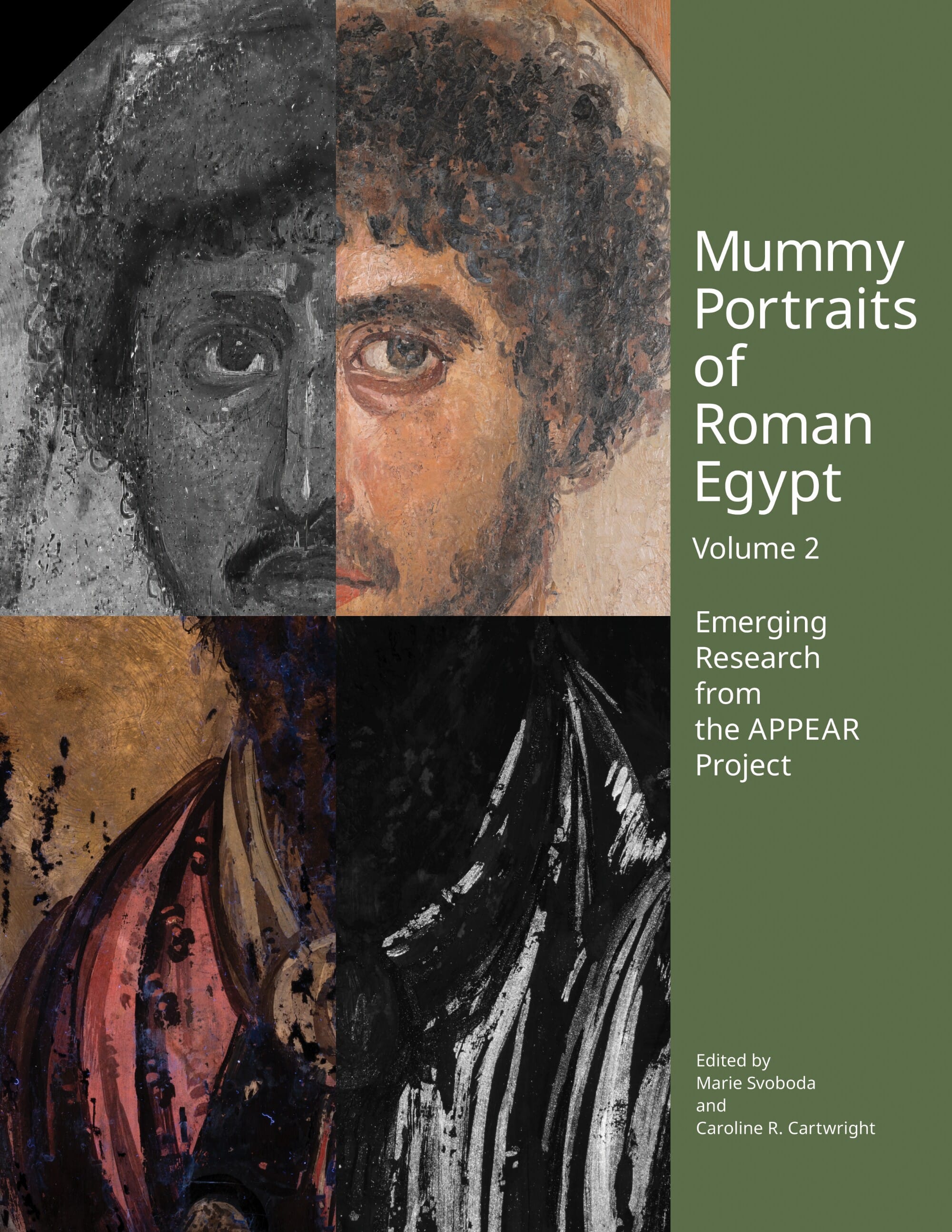
Do you like mummy masks? A new, open-access publication from the Getty "brings together global expertise and groundbreaking research to scholars and the public worldwide" with volume II from the APPEAR (Ancient Panel Paintings: Examination, Analysis, and Research) project. Download and read the new edited volume here. If you want to know which mummy portrait I (Sarah here!) empathize with the most during midterms season, she is at the British Museum.
The Russo-Ukrainian War has had a devastating impact on the cultural heritage of Ukraine. Since the full-scale Russian invasion began four years ago, UNESCO has verified damage at over 500 hundred Ukrainian cultural sites including at least thirty-nine museums, twenty libraries, and four archaeological sites. Anthropologist Ian Kuijt discusses efforts to document this destruction, much of which is the result of deliberate targeting, in this interview. The virtual exhibition Our Land, Our Story: Crossroads of Ukrainian History which launched last month features 3-D scans of twenty-five artifacts, many of which are now inaccessible.
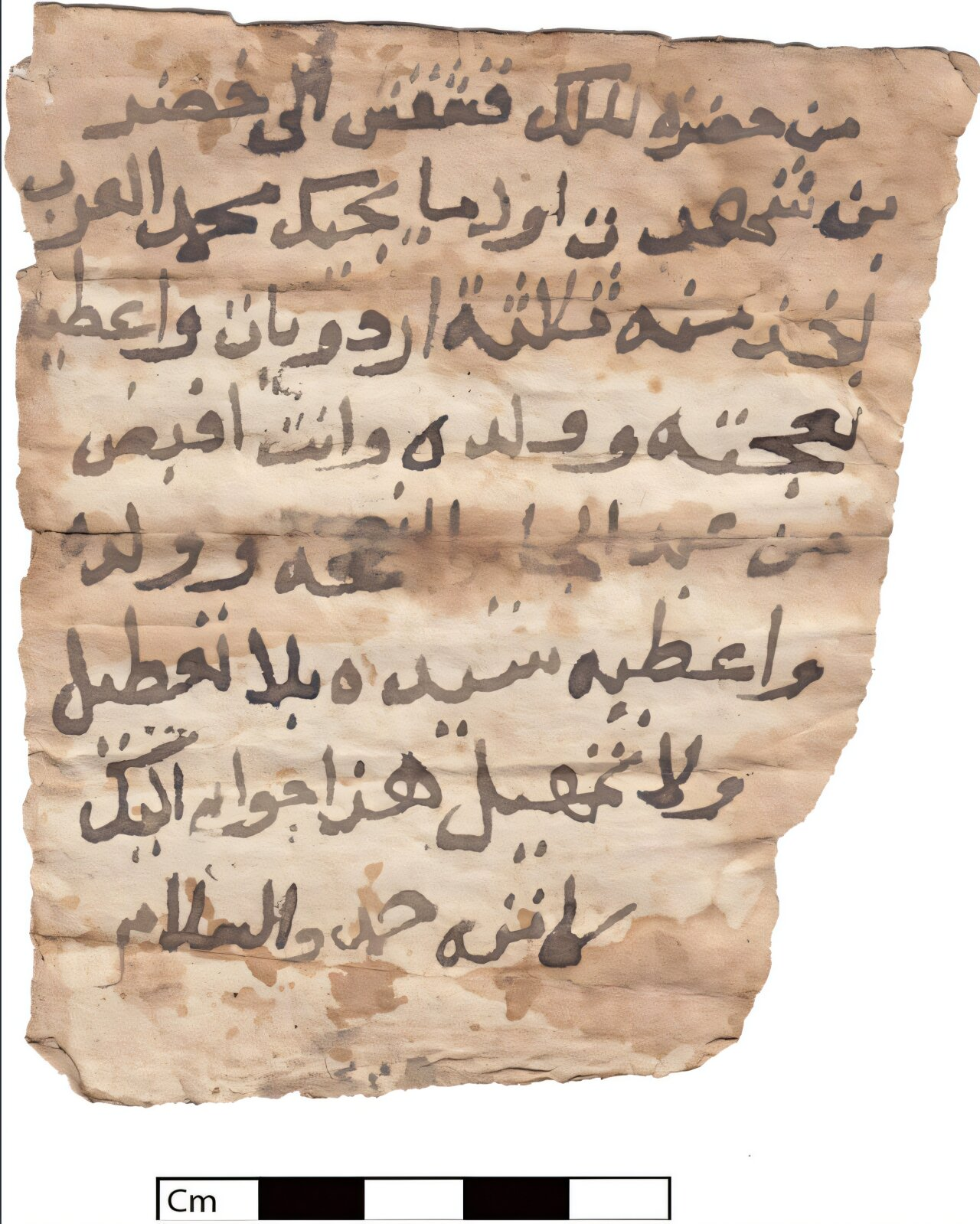
And at the archaeological site of Old Dongola, in northern Sudan, archaeologists found "a small irregularly shaped piece of paper" in Arabic from the late 16th or early 17th centuries. "The discovery, published in the journal [Azania: Archaeological Research in Africa] confirms the existence of King Qashqash, a figure who until now appeared only in hagiographic accounts and oral traditions, and offers an unprecedented window into the daily life of elites during a crucial period." According to LiveScience, archaeologists in Oregon are arguing that the "oldest known sewn clothing in the world may be pieces of animal hide that Indigenous people stitched together with plant and animal cords and then left in an Oregon cave around 12,000 years ago, during the last ice age."
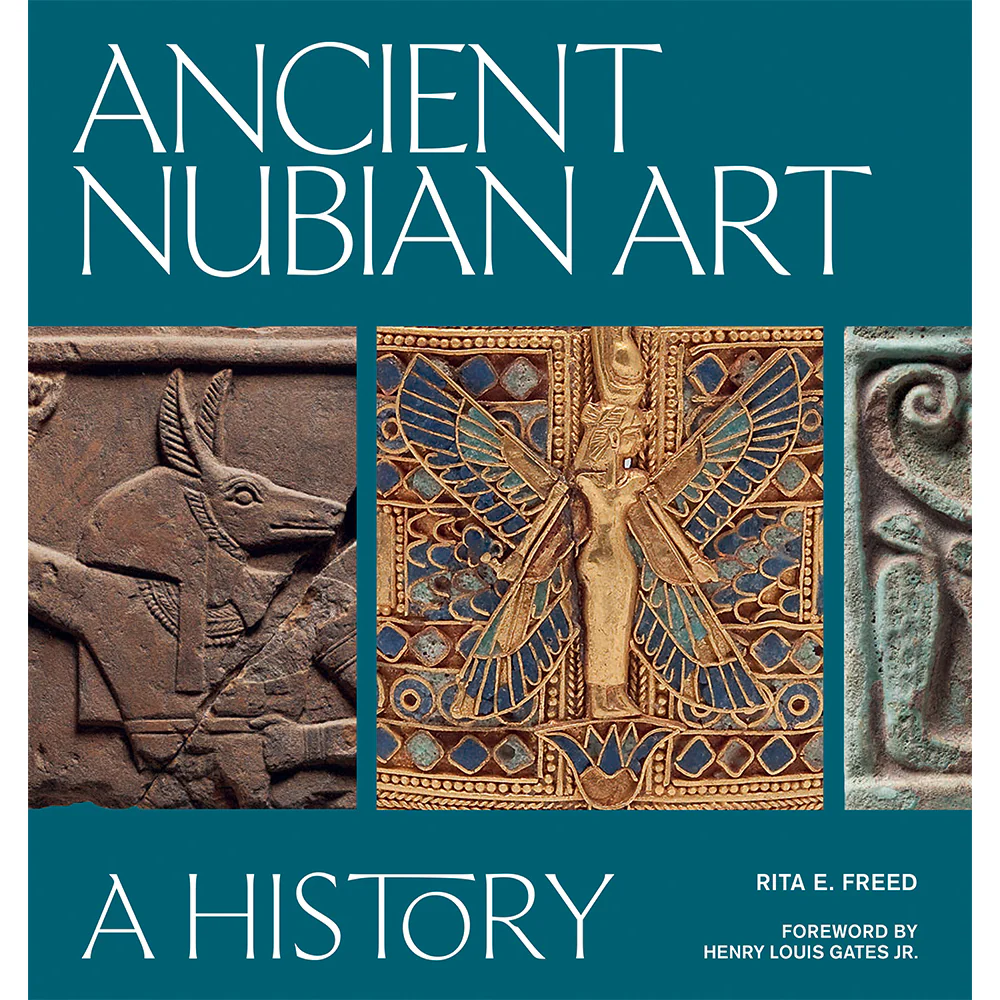
We also wanted to note that art historian and archaeologist Rita E. Freed's new book, Ancient Nubian Art: A History, is out now from Getty Publications.
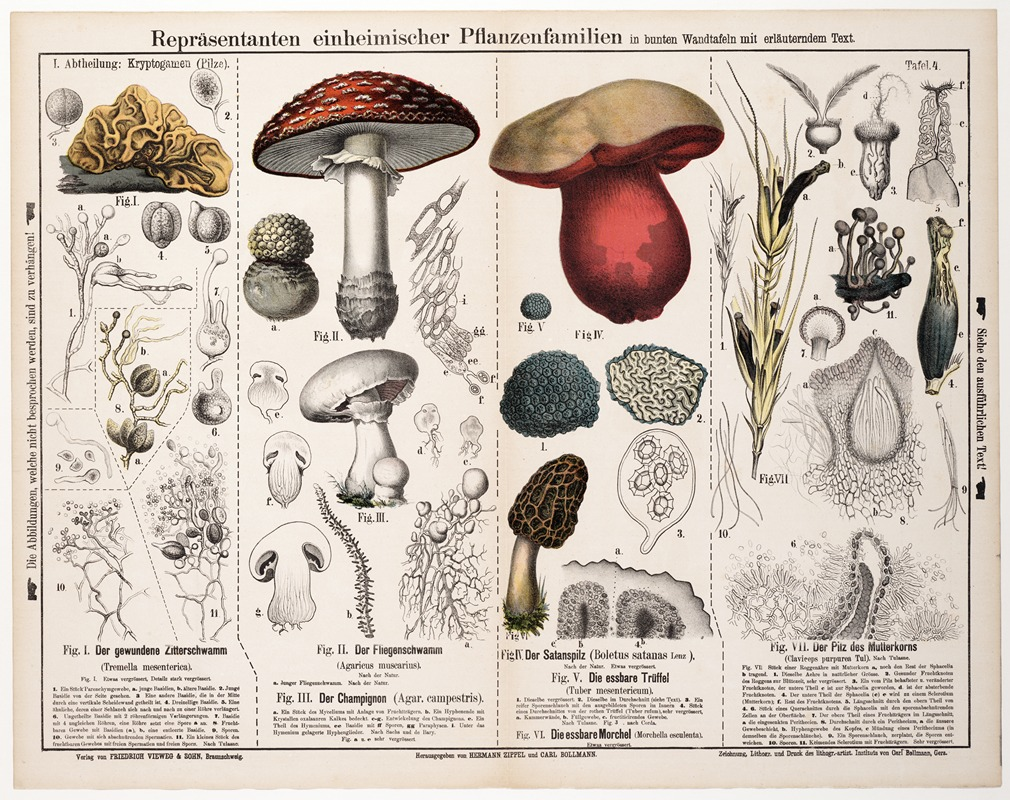
Looking for some St. Patrick's Day reading? The collection Irish Migrations and Classical Antiquity, edited by Isabelle Torrance is available open-access from Bloomsbury. It's a product of the ERC-funded Classical Influences and Irish Culture project at the Aarhaus University. Contributions explore the impact of Greece and Room on Irish narratives of migration from the Lebor Gabála Érenn ("Book of Invasions") to Ferdia Lennon's 2024 novel, The Glorious Exploits. And in other open access news, James Zainaldin has a new article in Rootcutter on "Celsus and the Informed Patient," which builds on the work done for his recent book, The artes and the Emergence of a Scientific Culture in the Early Roman Empire. Finally, a new study in Scientific Reports "revisits the hypothesis that Claviceps purpurea (Fr.) Tul., a fungus infecting cereals and producing ergot alkaloids (EAs), was the psychedelic agent in kykeon, the sacred elixir of the Eleusinian Mysteries." Now that is a trippy mystery cult.
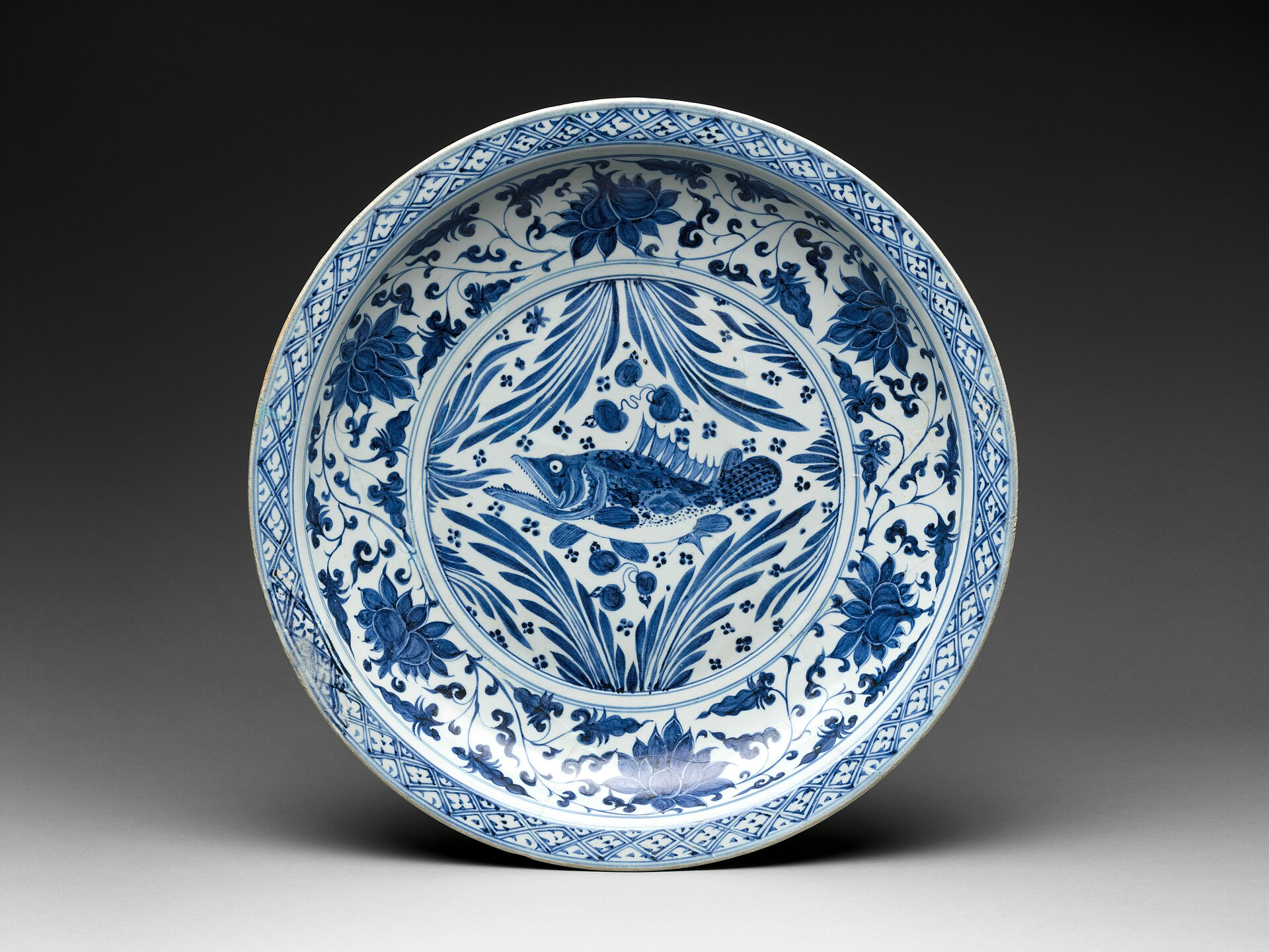
As historians and archaeologists, we do appreciate a good historical shipwreck. And news came this week that Singapore's "First Ancient Shipwreck" revealed a wealth of Yuan Dynasty (1279-1368 CE) porcelain. Read the original article about this find in the Journal of International Ceramic Studies.
Over at Archaeology with Flint Dibble, he spoke with Mai Musié about her research into "migration and exile, both past and present, and how such events are remembered and memorialized." It is a great conversation.
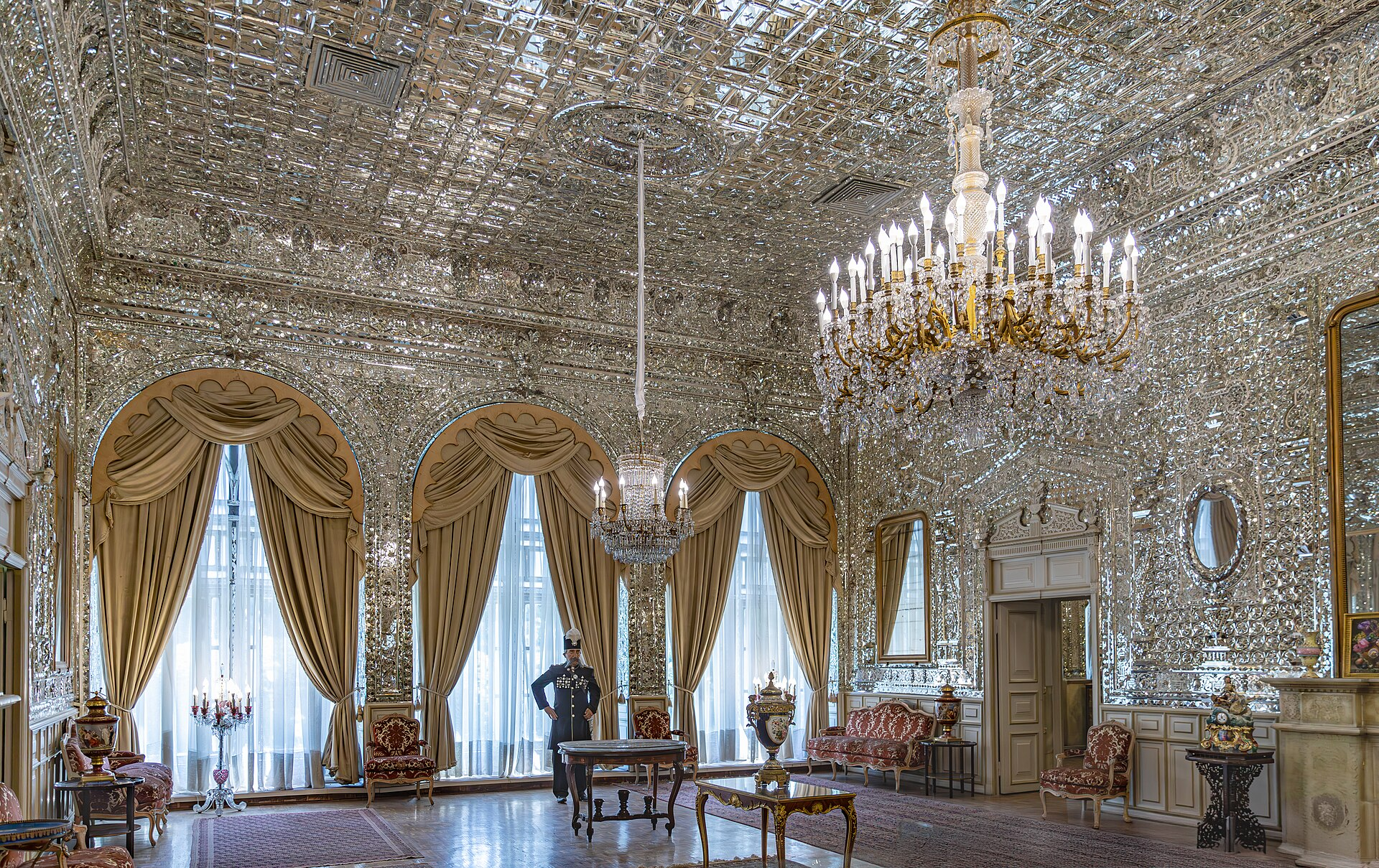
Finally, Tehran’s (UNESCO recognized) Golestan Palace was reportedly damaged by US-Israeli strikes last week. The loss of life—particularly the 100 killed in the strike upon a all girls' elementary school in Iran—is devastating, as is the loss of cultural heritage.
New Ancient World Journals by @yaleclassicslib.bsky.social
Acta Antiqua Academiae Scientiarum Hungaricae Vol. 65, Nos. 3-4 (2025)
AL. Rivista di studi di Anthologia Latina Vol. 16 (2025)
Britannia Vol. 56 (2025) Jane Masséglia, et al. "Troy Story: The Ketton Mosaic, Aeschylus, and Greek Mythography in Late Roman Britain"
Chronique d’Égypte Vol. 99, No. 198 (2024)
Helios Vol. 51, No. 2 (2024) NB Jennifer Weintritt "When the Textual Critic Assigns Gender: Editing Catullus's Attis Poem"
International Journal of the Classical Tradition Vol. 33, No. 1 (2026)
The Journal of Roman Studies Vol. 115 (2025)
Mnemosyne Vol. 79 No. 2 (2026)
Revue de philologie, de littérature et d'histoire anciennes Vol. 98, No. 1 (2024)
Studies in Late Antiquity Vol. 10, No. 1 (2026)
Journal of Indian Philosophy Vol. 54, No. 1 (2026)
Sudhoffs Archiv Vol. 109, No. 1 (2025)
Journal for the Study of the Historical Jesus Vol. 24 No. 1 (2026)
Journal for the Study of the New Testament Vol. 48, No. 3 (2026) Jesus, House, Family
Journal of Early Christian Studies Vol. 34, No.1 (2026)
Journal of Eastern Christian Studies Vol. 77, Nos. 3-4 (2026) “All Who Encounter This Book”: Syriac Literature in Transmission
Comparative Oriental Manuscript Studies Bulletin Vol. 11, Nos. 1-2 (2025) #openaccess
Dotawo: A Journal of Nubian Studies Vol. 9 (2026) #openaccess Nubian Homescapes from Antiquity to the Present
Iran and the Caucasus Vol. 30, No. 1 (2026)
Analecta Bollandiana Vol. 143, No. 2 (2025)
Archives d'histoire doctrinale et littéraire du Moyen Âge Vol. 91, No. 1 (2024) NB Michael McVaugh "Avenzoar’s Liber teisir and its Latin translations"
Convivium Vol. 2, No. 2 (2025)
Revue archéologique de l’Est Vol. 74, No. 197 (2025) #openaccess
Open Archaeology Vol. 12, No. 1 (2026) #openaccess
DHQ: Digital Humanities Quarterly Vol. 19, No. 4 (2025) #openaccess
Studies in Digital Heritage Vol. 9 No. 2 (2025) #openaccess
Lectures, Workshops, and Exhibitions
预告 | Guangqi Classics Virtual Lecture Series 光启古典学讲座系列 2025-2026: The next lectures are from Brent Shaw on "Early Christian Martyrdom: Violence and Power" 早期基督教殉道:暴力与权力: Thursday, March 5, 2026 at 7 am EST = 8 pm Beijing/Shanghai Time 2026年3月5日星期四 美国东部时间上午7点 = 北京时间晚上8点. Then Rose MacLean will discuss the "The Spartacus Project" 斯巴达克斯计划 on Friday, April 25, 2026 at 7 pm PST=10 pm EST=Saturday April 26 at 10 am Beijing/Shanghai Time 2026年4月25日星期五 太平洋时间晚上7点 = 美国东部时间晚上10点 = 北京时间4月26日星期六上午10点. Previous events in the Guangqi Classics Lecture and Seminar Series are archived here:古典学术月 and you can sign up here.

At the Pourdavoud Institute for the Study of the Iranian World at UCLA, Frantz Grenet (Collège de France) will present four lectures on "Ancient Iran and Central Asia: Interactions and Shifting Identities" in Royce Hall 314 and via Zoom. The first is on Wednesday, March 4, 4:00 pm PST, “A World between Worlds: Geography, History, and Identity of the Early Kušāns (First Century CE)”; Friday, March 6, 4:00 pm PST, “Kušān Rulers: In Search of an Imperial Narrative (Second to Fourth Centuries CE)”; Monday, March 9, 4:00 pm PDT, “Eastern Iranian Contributions to the Construction of the Šāhnāme: Kušāno-Sasanians, Sīstānīs, and Sogdians (Fourth to Eighth Centuries CE)”; and Wednesday, March 11, 4:00 pm PDT, “Philhellenism among the Hunnic Elites (Fifth to Eighth Centuries CE)."
The seventh Res Difficiles: A Conference On Challenges and Pathways for Addressing Inequity In Classics, organized by Hannah Čulík-Baird and Elke Nash, will take place on Zoom March 16 from 9:20am to 4pm PST. Samuel Agbamu leads off with the keynote: “The Battle for Births: Rethinking the Birth of Biopolitics.”